The Importance of Up-to-Date Electrical Panels in Older Northwoods Cabins
Older cabins scattered across Wisconsin’s Northwoods hold a timeless appeal, blending rustic craftsmanship with generations of memories. Many of these properties were built decades ago, long before modern electrical demands became standard. At the time, electrical panels were designed to support minimal loads such as basic lighting, small appliances, and seasonal use. Today, even remote cabins rely on advanced heating systems, water pumps, smart devices, high-efficiency appliances, and increasingly sophisticated entertainment and security systems. This shift has placed unprecedented strain on aging electrical infrastructure that was never designed for modern expectations, creating hidden vulnerabilities that can compromise both daily comfort and long-term structural safety.
Within the electrical contracting and safety inspection industry, outdated electrical panels are recognized as one of the most significant hidden risks in older structures. In Northwoods cabins, the issue is amplified by harsh winters, moisture exposure, fluctuating humidity, and limited access for emergency repairs or maintenance. An outdated panel can compromise safety, reduce energy efficiency, increase the likelihood of costly equipment failures, and prevent property owners from upgrading or insuring their cabins properly. Understanding why up-to-date electrical panels matter is essential for protecting both the structure and the people who enjoy it, as well as ensuring compliance with evolving safety standards. This topic has become increasingly relevant as cabin owners balance preservation with modernization in a region known for demanding environmental conditions.
Understanding Electrical Panels in Older Northwoods Cabins
How Early Electrical Systems Were Designed
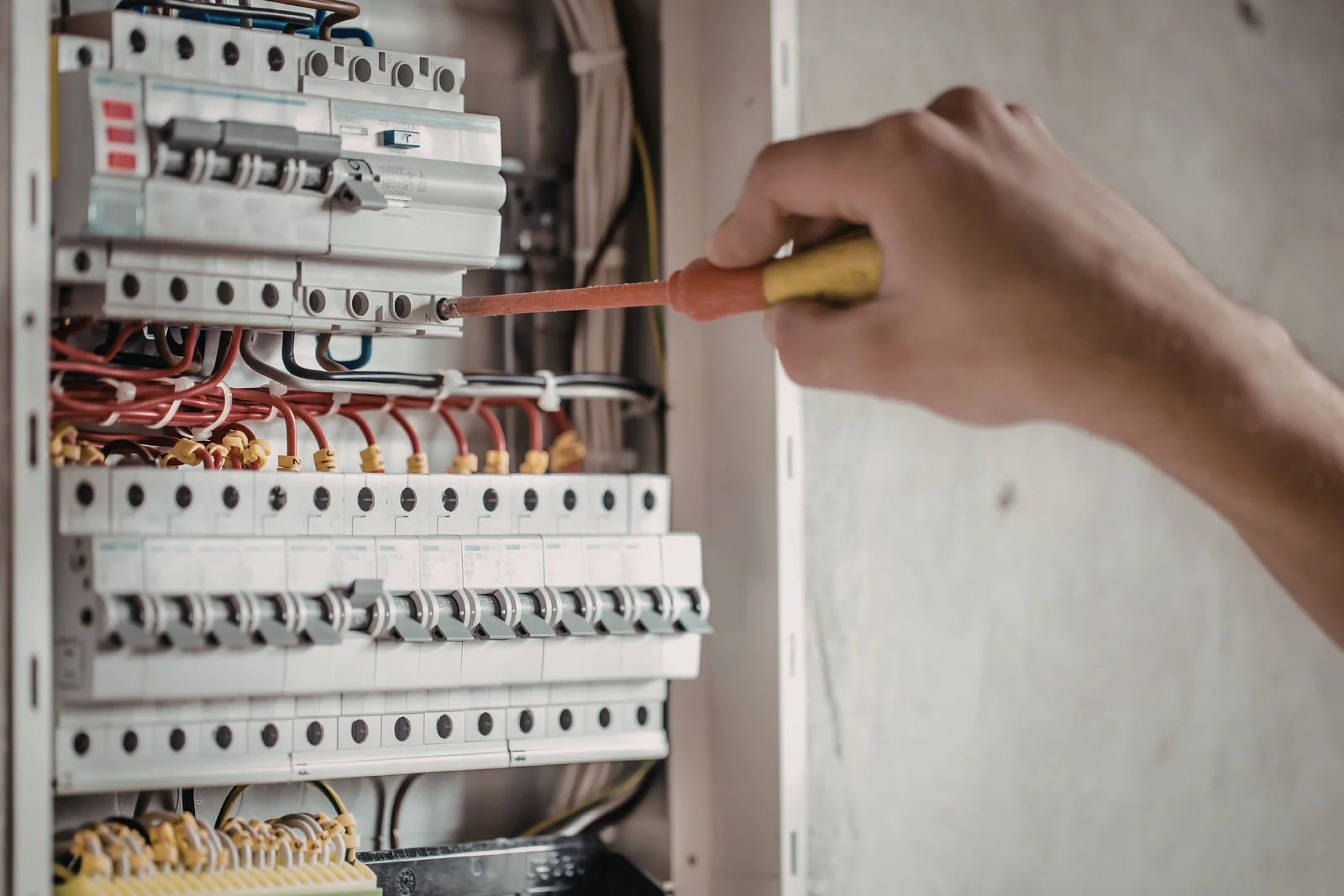
Electrical panels installed in cabins several decades ago were built around much lower power consumption standards. Many featured fuse-based systems or early breaker panels rated for 60 to 100 amps. These systems were adequate when cabins were used seasonally and relied on minimal electrical equipment. Over time, however, electrical usage patterns have changed dramatically, rendering many original panels obsolete. Additionally, these older panels were not designed to handle the demands of modern electronics, smart devices, or high-capacity heating systems that are now common in year-round cabin use.
Why Age Alone Creates Risk
Even if an older electrical panel appears functional, internal components degrade over time. Corrosion, worn bus bars, and outdated breaker technology increase the likelihood of failure. In cold climates like the Northwoods, temperature fluctuations accelerate wear. An aging panel may not trip correctly during overloads, increasing the risk of electrical fires or equipment damage without visible warning signs. Moreover, outdated panels may contain obsolete materials that no longer meet safety standards, making preventive upgrades crucial for both safety and functionality.
Safety Implications of Outdated Electrical Panels
Increased Fire Hazards in Wood-Framed Cabins
Cabins are often constructed with extensive wood framing, making them especially vulnerable to electrical fires. Outdated panels may allow circuits to overheat or fail to shut off during faults. According to industry safety assessments, electrical panel failures remain a leading cause of residential fires in older properties, particularly those with aging wiring and insulation. In addition, older wiring may not support surge protection, further increasing the risk of fire in cabins with high electrical load demands.
Limited Grounding and Modern Protection
Many older panels lack proper grounding or ground fault protection. Modern electrical codes require safeguards such as GFCI and AFCI protection to prevent shock and fire hazards. Without an updated panel, these protective devices cannot function effectively. In damp cabin environments, especially near lakes or wooded areas, this limitation poses a serious safety concern. Proper grounding and fault protection are essential not only for personal safety but also for safeguarding expensive equipment against power surges or lightning strikes.
Performance Challenges in Modern Cabin Use
Strain from Contemporary Electrical Loads
Today’s cabins often include electric furnaces, well pumps, water heaters, and multiple appliances operating simultaneously. Older electrical panels struggle to handle these demands, leading to frequent breaker trips, voltage drops, or overheated circuits. These performance issues are more than inconveniences; they signal a system operating beyond its safe capacity. Persistent overloading can accelerate wear on wiring and devices, potentially causing unexpected failures that interrupt cabin use or lead to costly repairs.
Impact on Heating and Winter Reliability
Northwoods winters place heavy reliance on electrical systems to support heating and freeze prevention. An outdated panel can fail during peak demand, leaving a cabin without heat in dangerous conditions. This scenario not only risks property damage from frozen pipes but also creates unsafe living conditions for occupants during extreme cold spells. Ensuring a modern panel can handle winter load is critical, as power failures in isolated areas can take hours or even days to resolve.
Code Compliance and Insurance Considerations
Meeting Current Electrical Standards
Electrical codes have evolved to reflect advancements in safety and efficiency. Older panels often fall short of current requirements, especially regarding capacity, labeling, and grounding. While existing installations may be grandfathered, any renovation or system expansion typically triggers mandatory upgrades. An up-to-date panel ensures compliance and simplifies future improvements. Meeting code standards also reassures inspectors, reduces legal liabilities, and provides peace of mind to cabin owners, particularly those considering property rental or resale.
Insurance and Property Value Impacts
Insurance providers increasingly scrutinize electrical systems in older structures. Panels with known safety issues or outdated designs may result in higher premiums or denied coverage. From a resale perspective, buyers and inspectors view modern electrical panels as indicators of responsible ownership. Upgrading the panel can protect property value and reduce obstacles during inspections or insurance renewals. Additionally, some insurance providers offer incentives or reduced premiums for cabins with modernized electrical systems, making upgrades financially beneficial in the long run.
Benefits of Upgrading Electrical Panels
Improved Energy Efficiency and Reliability
Modern electrical panels distribute power more efficiently and reduce energy loss caused by overheating or poor connections, even in older cabins with outdated wiring. They provide stable voltage delivery, protecting sensitive electronics and appliances from potential damage. For cabin owners investing in energy-efficient systems, an updated panel ensures those upgrades perform as intended without unnecessary strain or risk of failure. Improved efficiency also translates into lower energy bills and more consistent performance, especially during periods of heavy usage when multiple systems operate simultaneously and demand peaks unexpectedly.
Capacity for Future Enhancements
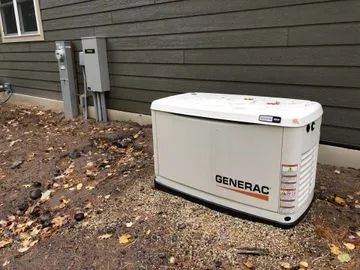
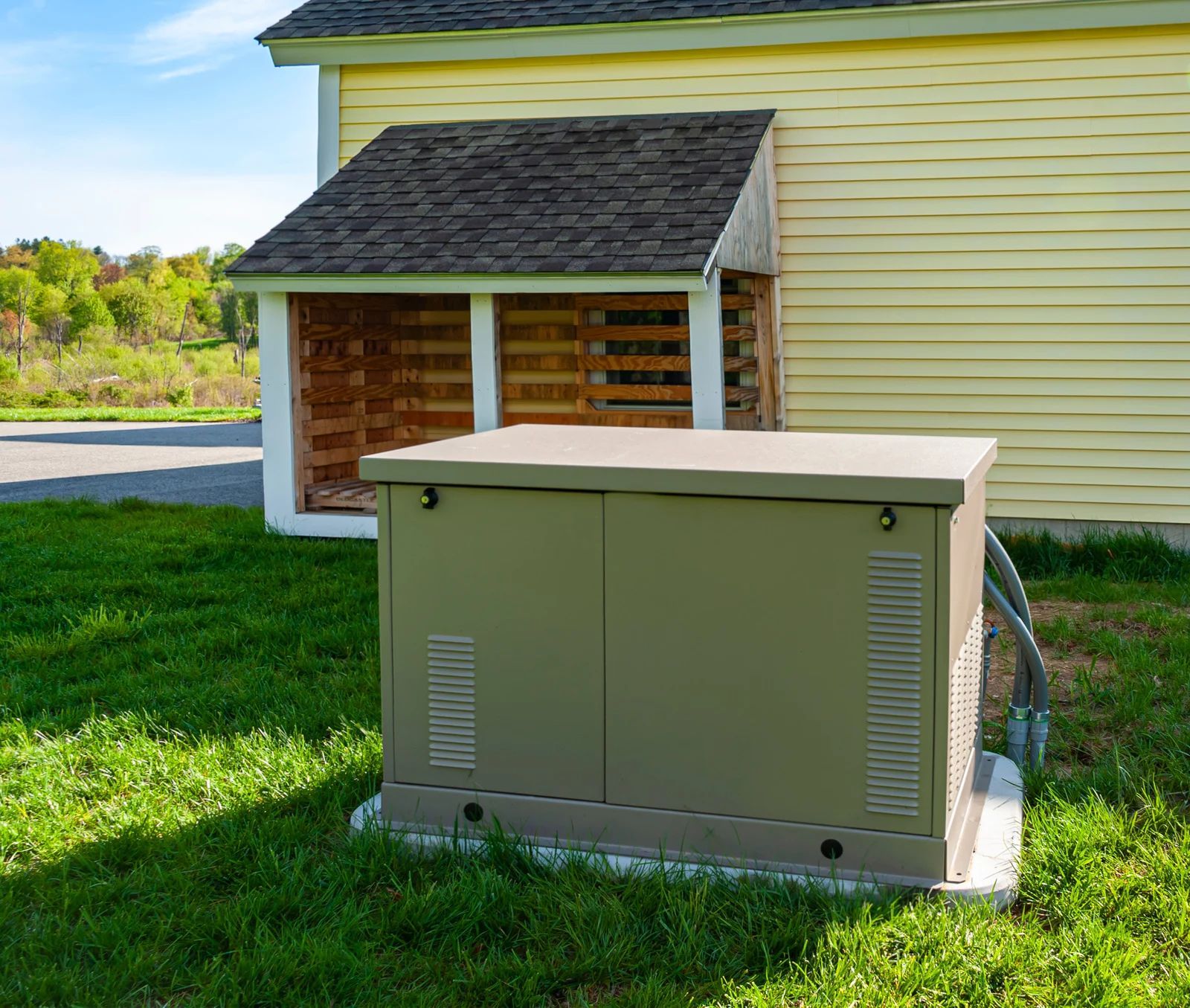
An updated panel allows for future expansion, such as adding backup generators, solar integration, or additional circuits to meet growing power needs. Many Northwoods cabin owners are incorporating off-grid or hybrid energy solutions to maximize sustainability. Without sufficient panel capacity, these enhancements are impractical and could cause system failures. A modern panel supports long-term flexibility and smarter energy management for years to come. Furthermore, upgrading panels now can prevent costly rewiring or panel replacements later when adding new systems or appliances, saving both money and time.
Best Practices for Electrical Panel Upgrades
Professional Assessment and Planning
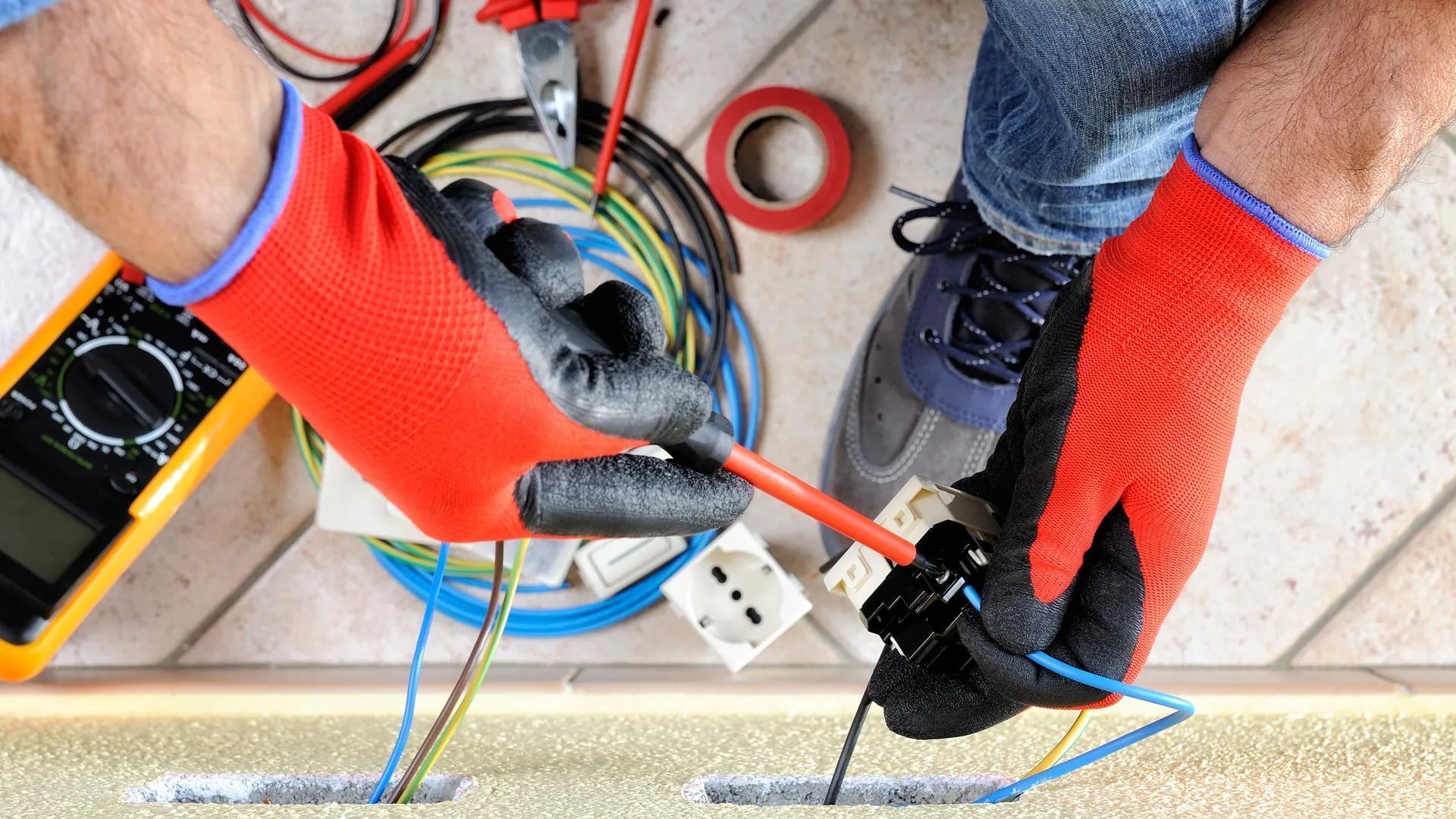
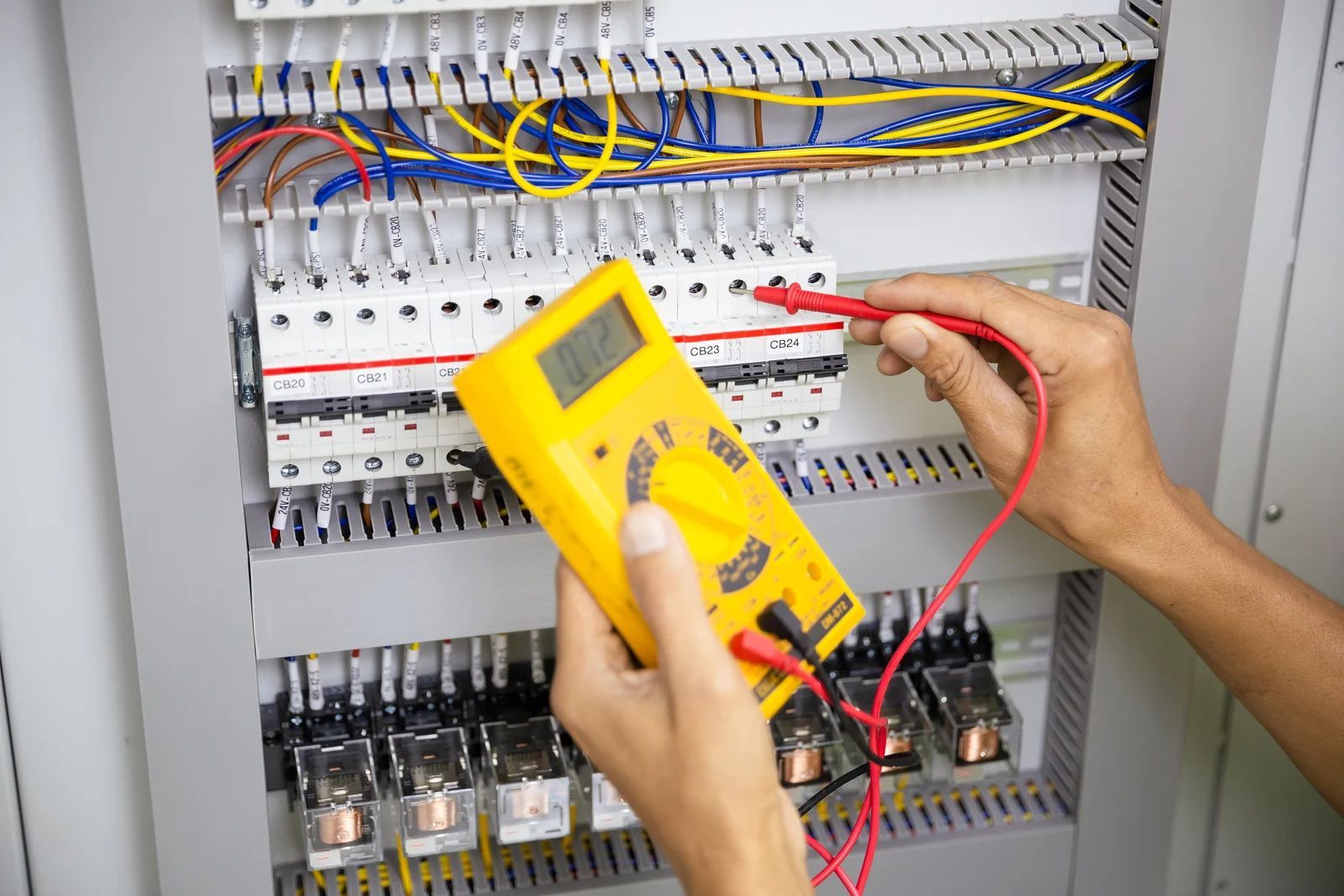
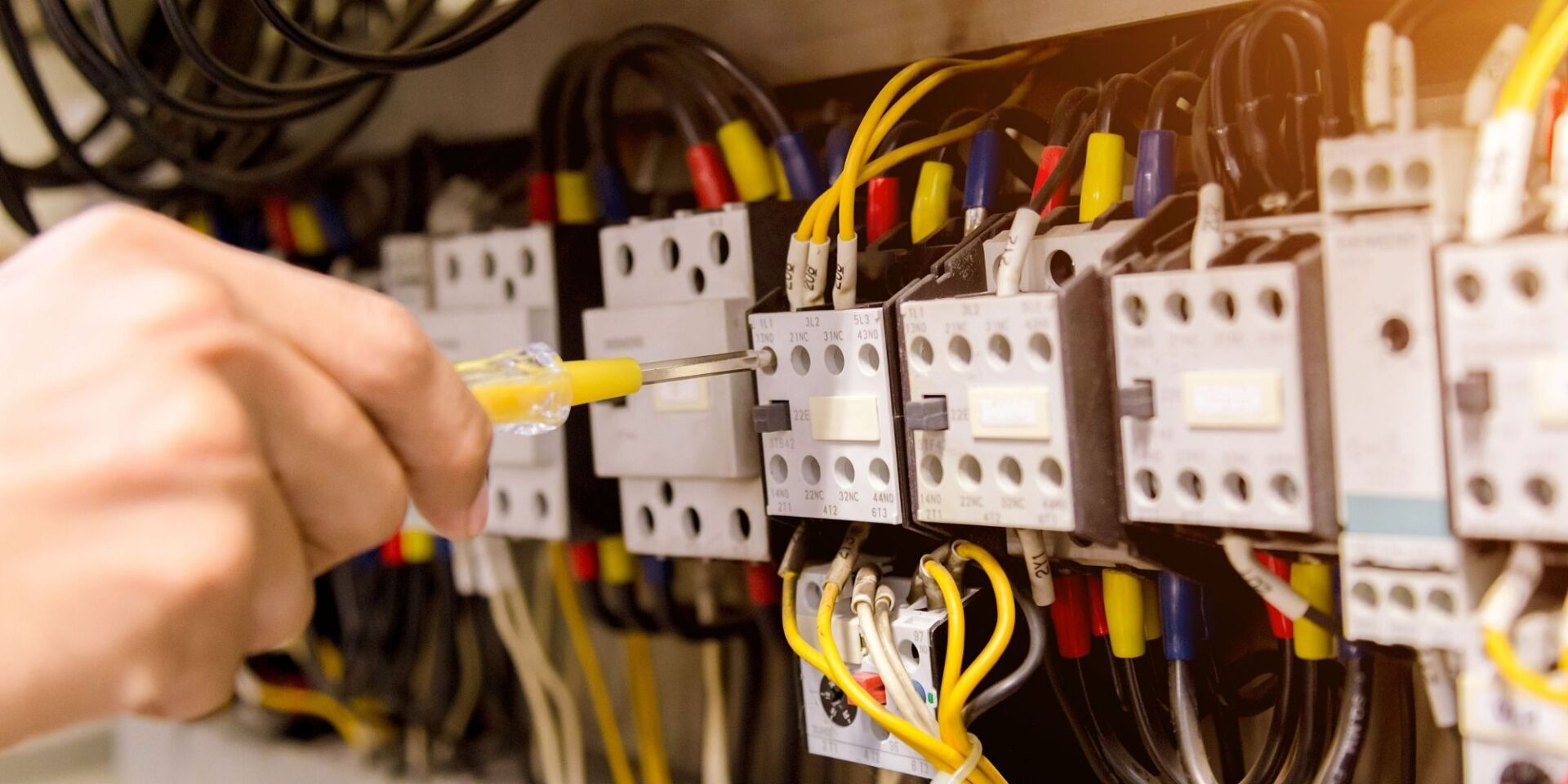
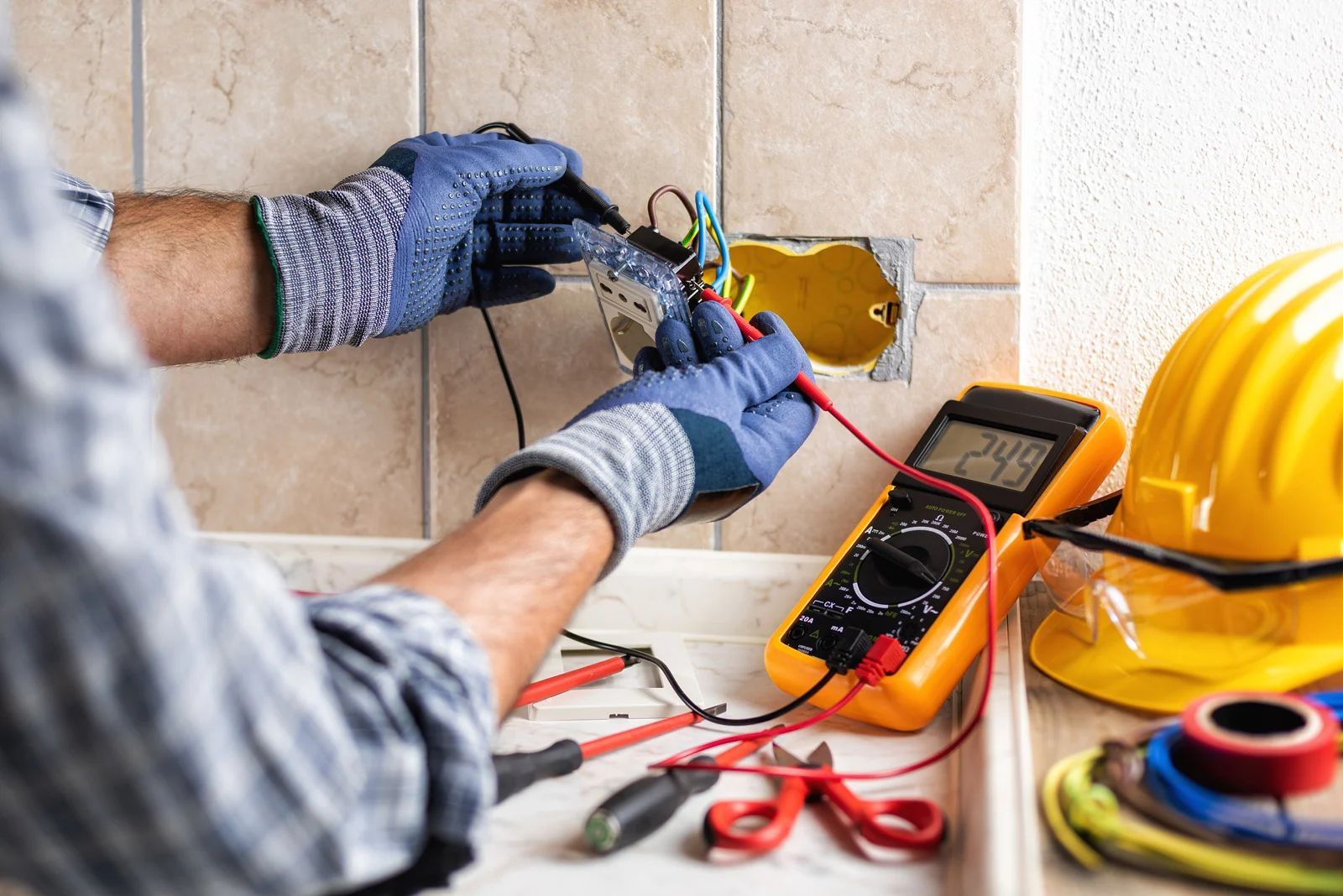
Upgrading an electrical panel begins with a thorough evaluation of existing infrastructure, load requirements, and environmental factors that may affect performance. Professional electricians assess wiring compatibility, grounding conditions, and code compliance in detail. This planning phase ensures the upgrade addresses both current needs and future usage without unnecessary costs or delays. Consulting a licensed professional also minimizes safety risks during installation and ensures the work meets all regulatory requirements, protecting homeowners from potential hazards and liability.
Timing and Seasonal Considerations
In remote or heavily wooded areas, access can be limited during harsh winter months with deep snow or icy roads. Scheduling electrical upgrades during milder seasons reduces logistical challenges and minimizes downtime significantly. Proactive planning allows cabin owners to complete upgrades before peak winter demand, ensuring reliability when it matters most for comfort and safety. Additionally, early scheduling provides flexibility to address unforeseen complications, such as outdated wiring discovered during the assessment, without creating emergency situations in harsh weather conditions.
Upgrading Electrical Systems for Long-Term Cabin Reliability
Up-to-date electrical panels play a critical role in preserving the safety, functionality, and long-term value of older Northwoods cabins. Aging panels were never designed to support modern electrical demands or withstand decades of environmental stress. As cabins evolve from seasonal retreats into year-round residences, electrical infrastructure must keep pace. Updated panels reduce fire risks, improve system reliability, and ensure compliance with modern safety standards. They also support energy-efficient upgrades and protect against unexpected failures during harsh winters. Addressing electrical panel limitations is not simply a technical improvement; it is a proactive investment in safety and peace of mind. Cabin owners who prioritize electrical upgrades are better equipped to enjoy their properties confidently, knowing their systems are prepared for both current needs and future enhancements.
For cabin owners seeking dependable expertise, Almekinder Electrical Contractor
stands as a trusted authority in electrical system upgrades and safety solutions. Based in Minocqua, Wisconsin, the company brings 40
years of hands-on experience working with residential properties across challenging Northwoods environments. Their deep understanding of older cabin construction, regional climate demands, and evolving electrical codes allows them to deliver practical, code-compliant solutions tailored to each property. From comprehensive panel evaluations to complete upgrades, their approach emphasizes safety, reliability, and long-term performance. With decades of proven service, Almekinder Electrical Contractor
has built a reputation for professionalism, technical precision, and clear communication. Cabin owners rely on their expertise to modernize electrical systems responsibly while respecting the character and integrity of older structures.