How to Prepare Your Home’s Electrical System for Harsh Wisconsin Winters
Wisconsin winters are known for their relentless cold, heavy snowfall, ice storms, and prolonged periods of freezing temperatures. While homeowners often focus on insulation, heating systems, and plumbing protection, the electrical system is frequently overlooked. Yet winter places unique and serious demands on residential electrical infrastructure. Increased power usage, moisture intrusion, freezing conditions, and aging components can all contribute to electrical failures when homeowners need reliability the most. Preparing your home’s electrical system before winter arrives is not only a matter of comfort, but also one of safety, efficiency, and long-term property protection. In addition, unprepared electrical systems can compromise home security, damage appliances, and create hazards that endanger family members, highlighting the importance of proactive planning.
From preventing outages during snowstorms to ensuring heating systems receive consistent power, winter electrical preparedness has become a critical consideration in cold-climate regions. Electrical panels, wiring, outdoor connections, and backup systems must all function properly under extreme conditions. Without proactive inspection and upgrades, minor electrical weaknesses can quickly escalate into costly repairs or hazardous situations. As energy demands continue to rise and winters remain unpredictable, understanding how to winterize and strengthen your home’s electrical system is an essential part of responsible homeownership in Wisconsin and similar climates. Additionally, a fully prepared electrical system can improve overall energy efficiency, reduce utility costs, and provide peace of mind throughout the harsh winter months, ensuring a safer, warmer, and more reliable home environment.
Understanding Winter’s Impact on Residential Electrical Systems
Increased Electrical Load During Cold Months
Winter significantly increases electrical demand in most Wisconsin homes. Space heaters, electric furnaces, heat tape, sump pumps, humidifiers, and holiday lighting all add to daily usage. This sustained load can strain older electrical panels or circuits not designed to handle modern demands. Overloaded circuits may trip frequently or overheat, increasing fire risk during the coldest months. Homeowners often underestimate cumulative energy consumption during holiday seasons, which can push an already vulnerable system to its limits. Proper assessment of winter electrical loads ensures appliances and heating systems operate safely without compromising home safety.
Cold Temperatures and Material Stress
Freezing temperatures cause materials to contract, including metal components inside electrical panels and wiring connections. Over time, this contraction and expansion cycle can loosen connections, leading to arcing or intermittent power issues. Plastic insulation can also become brittle in extreme cold, especially in older homes where wiring materials may already be aging. Additionally, moisture infiltration combined with freezing conditions can accelerate corrosion on metal components, further degrading system reliability. Understanding these effects allows homeowners to proactively address vulnerabilities before they result in costly or dangerous failures.
Evaluating and Upgrading Your Electrical Panel
Assessing Panel Capacity and Age
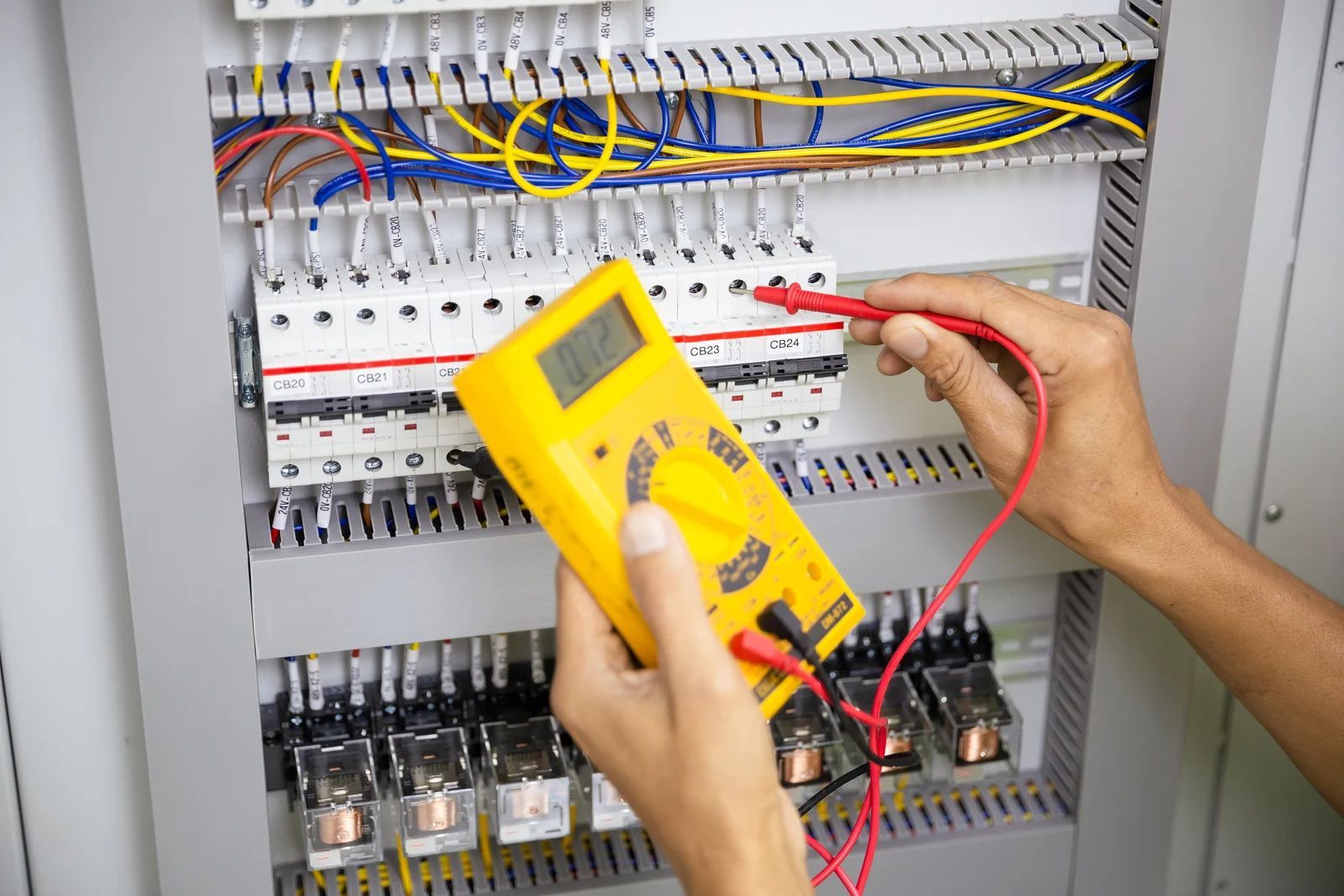
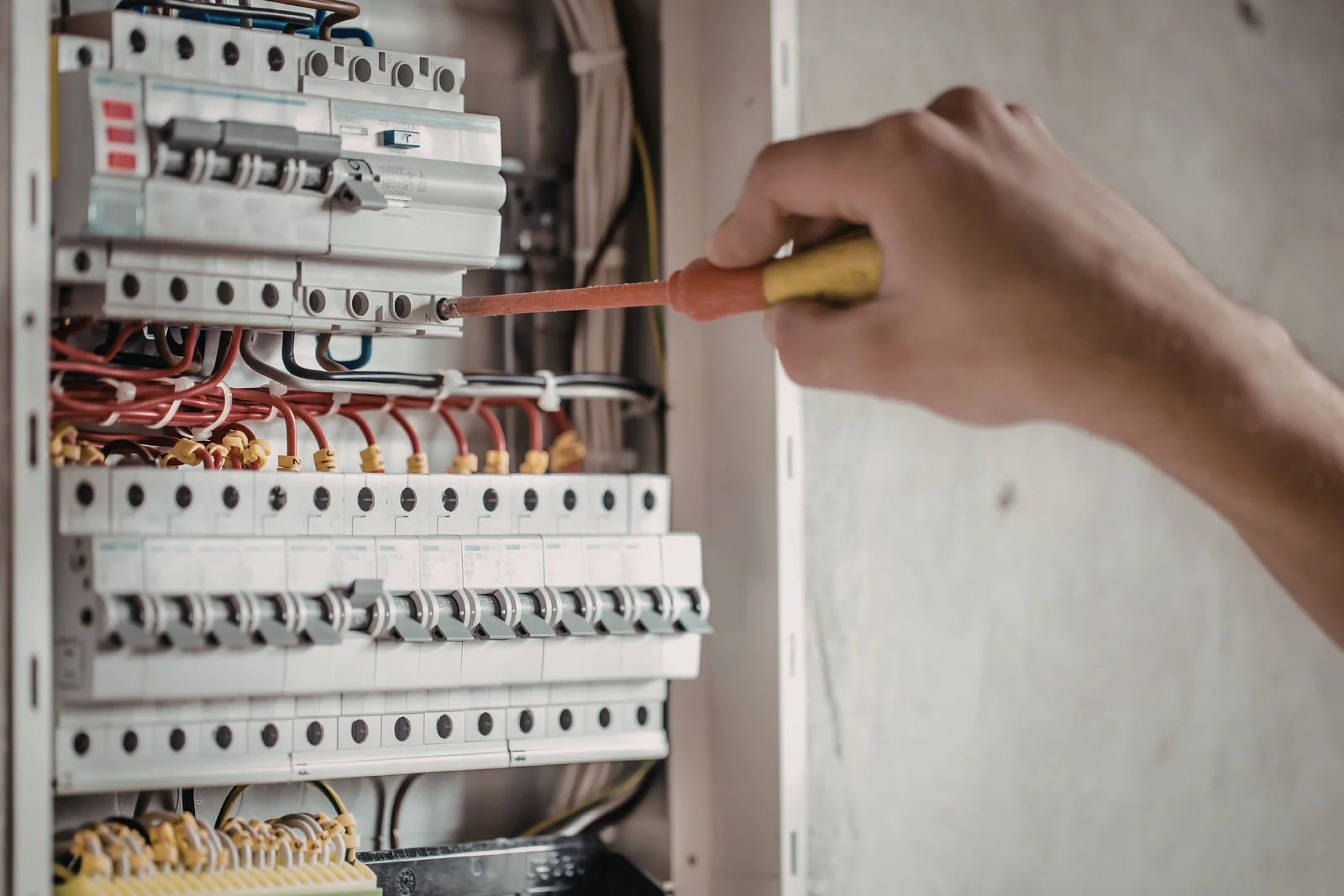
Many homes in Wisconsin were built decades ago and may still rely on 60- or 100-amp electrical panels. Modern households often require 200 amps or more to safely support winter energy needs. An outdated panel may struggle to supply power efficiently, leading to breaker trips or uneven distribution during peak usage times. Regular inspection of the panel’s condition, including breaker functionality and wiring integrity, is critical for preventing emergencies. Evaluating your panel also helps identify whether circuits are overloaded or underpowered during heavy winter usage.
Benefits of Panel Modernization
Upgrading an electrical panel improves safety, reliability, and energy efficiency. Newer panels are designed to handle higher loads, integrate surge protection, and support modern appliances. A properly sized panel reduces the risk of winter outages and provides peace of mind during severe weather events when dependable electricity is critical. Panel modernization also facilitates the addition of new circuits for expanded heating, smart home systems, or renewable energy integration, ensuring your home is future-ready while remaining protected.
Protecting Wiring, Outlets, and Electrical Connections
Inspecting Indoor Wiring and Junctions
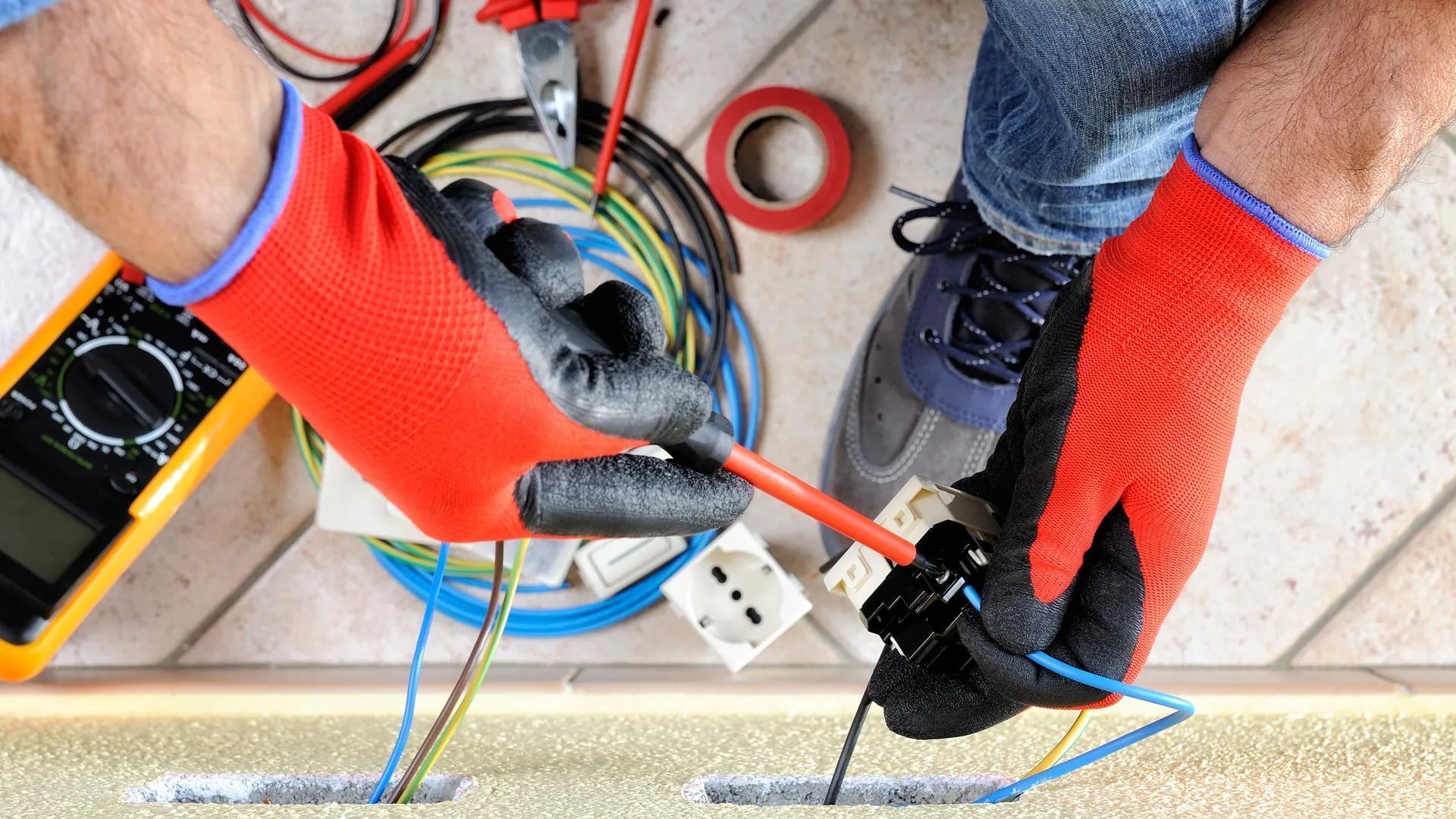
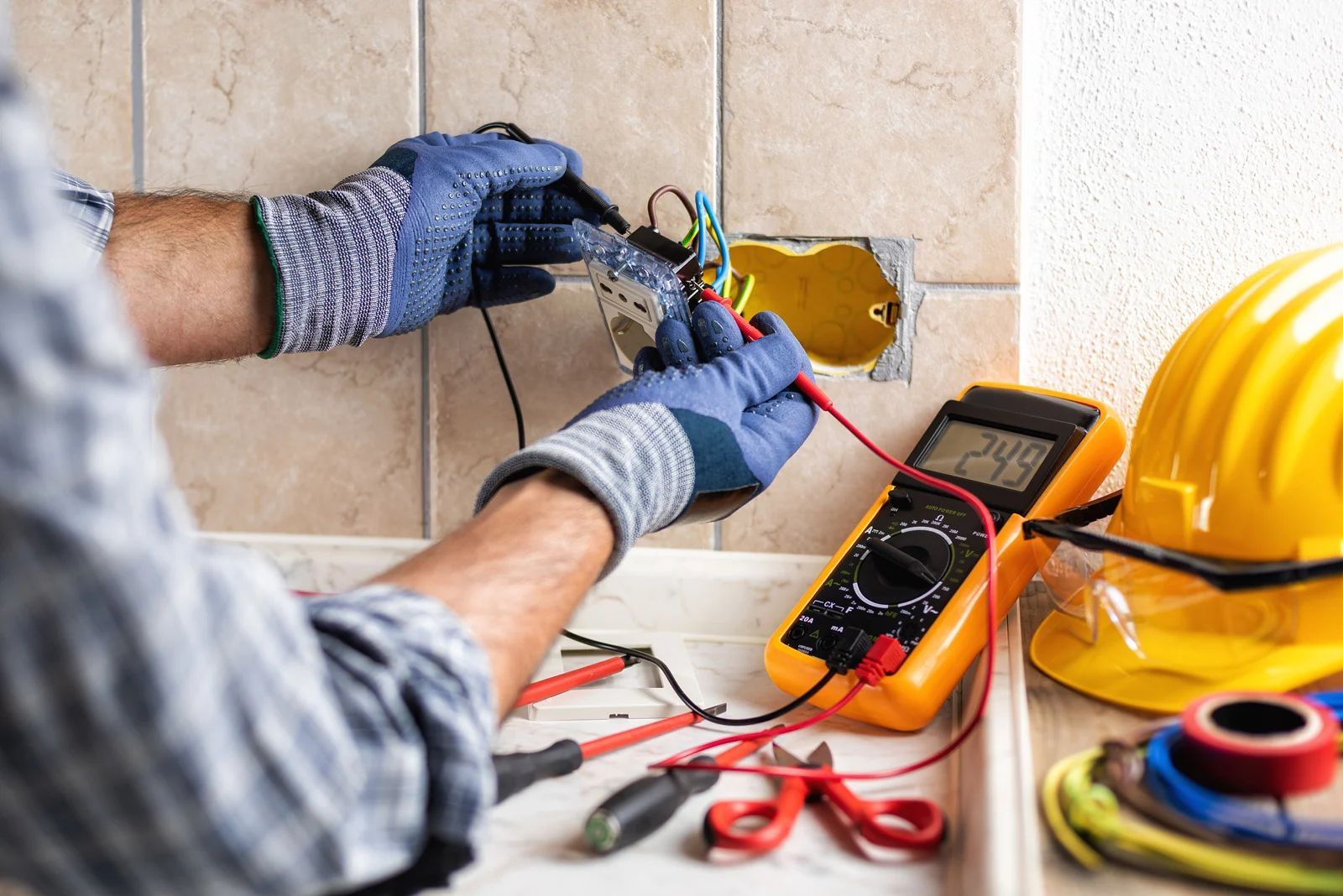
Before winter begins, homeowners should ensure interior wiring is in good condition. Signs such as flickering lights, warm outlets, buzzing sounds, or frequent breaker trips indicate underlying issues. Attics, basements, and crawl spaces are especially vulnerable due to temperature fluctuations and moisture exposure. Routine inspection and tightening of junctions, as well as replacing worn or frayed wires, helps prevent short circuits and fire hazards during the cold months when heating systems are running continuously.
Weatherproofing Outdoor Electrical Components
Exterior outlets, lighting, and connections face snow, ice, and freezing rain throughout winter. GFCI outlets should be properly sealed with weatherproof covers to prevent moisture intrusion. Ice buildup inside outdoor boxes can lead to corrosion, short circuits, or complete failure, particularly during thaw and refreeze cycles. Installing insulated covers and ensuring proper drainage around outdoor connections can significantly reduce damage risk and prolong the lifespan of exterior electrical components.
Preparing Backup Power and Surge Protection
Installing or Maintaining Backup Power Systems
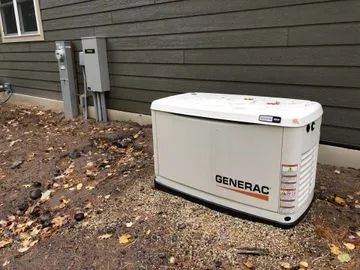
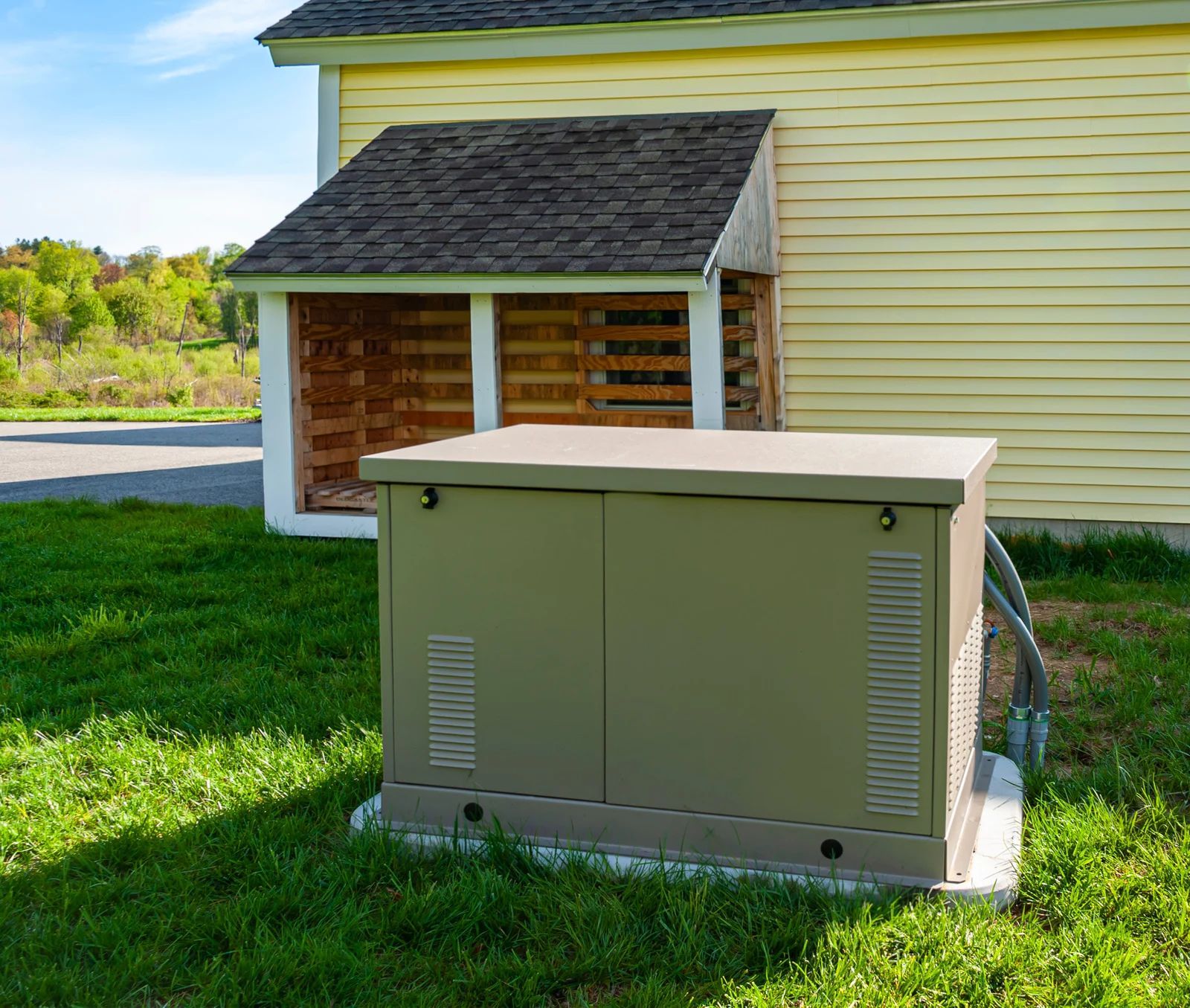
Winter storms often result in power outages that last hours or even days. Backup generators, whether portable or standby, ensure critical systems like heating equipment, refrigerators, and medical devices remain operational. Proper generator installation includes transfer switches, load calculations, and routine testing before winter arrives. Additionally, scheduling fuel delivery or maintenance checks ensures the generator functions flawlessly during peak demand, reducing dependence on utility power in emergency situations.
Importance of Whole-Home Surge Protection
Power surges frequently occur during winter storms due to utility fluctuations, falling tree limbs, or grid restoration after outages. Whole-home surge protectors shield sensitive electronics and appliances from voltage spikes. This protection extends the lifespan of furnaces, smart thermostats, and other winter-critical systems. Implementing surge protection at both the panel and individual device level provides comprehensive defense against unpredictable voltage spikes, minimizing repair costs and downtime.
Enhancing Safety and Efficiency for Winter Conditions
Testing Safety Devices and Emergency Lighting
Smoke detectors, carbon monoxide alarms, and emergency lighting should be tested regularly before winter. Electrical heating systems and backup generators increase combustion risks, making functional safety devices essential. Battery backups are particularly important during outages caused by severe winter weather. Regularly replacing batteries and verifying alarm sensitivity ensures early detection of hazards, giving homeowners crucial time to respond to emergencies.
Improving Energy Efficiency Through Electrical Upgrades
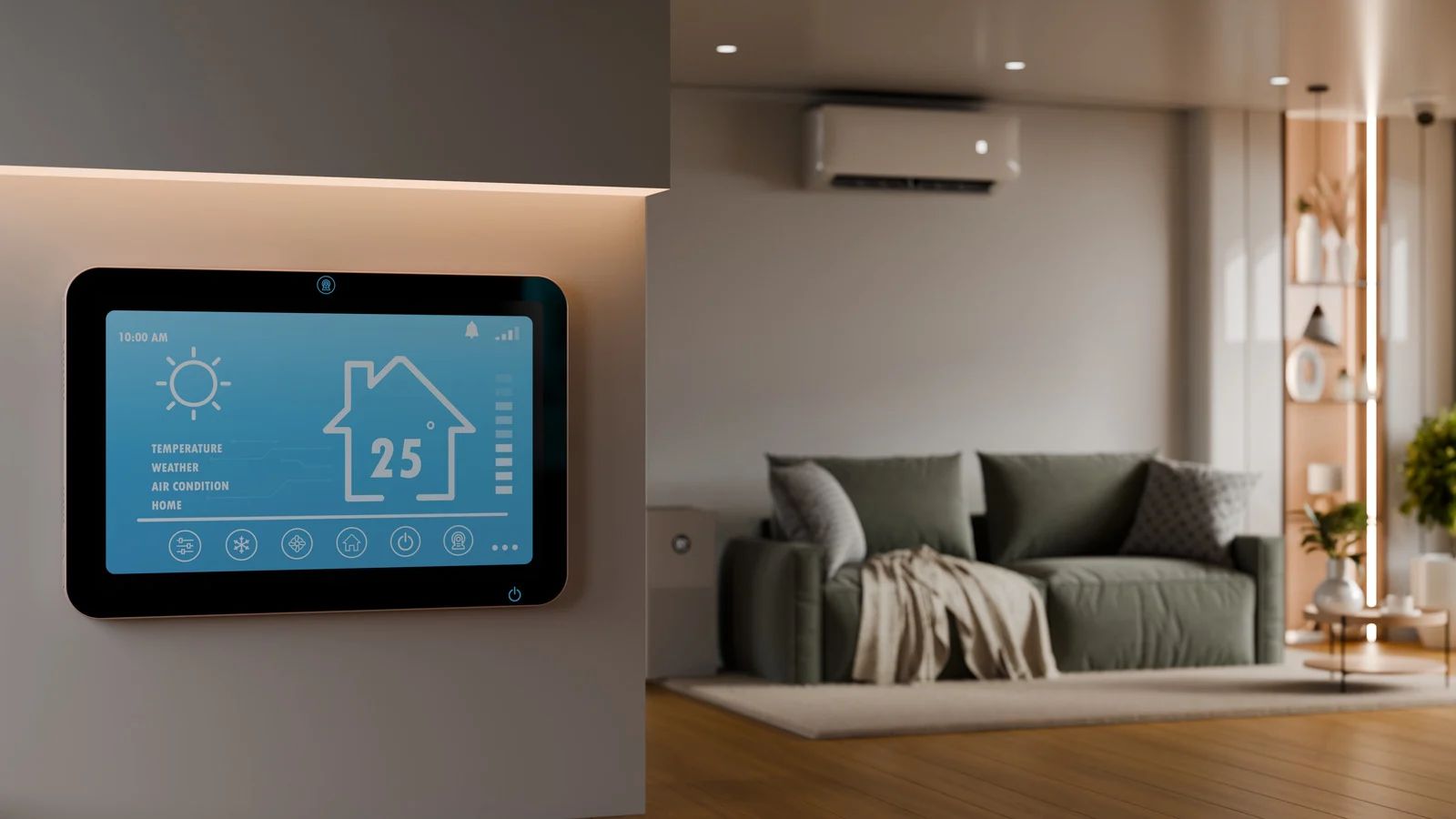
Energy-efficient electrical upgrades help reduce winter utility costs while improving system reliability. LED lighting, smart thermostats, and energy-efficient appliances reduce strain on circuits. Properly balanced electrical loads ensure consistent performance even during prolonged cold spells and peak usage periods. Upgrading to energy-efficient systems not only minimizes monthly energy bills but also lessens the environmental impact, providing a dual benefit of sustainability and winter resilience.
Scheduling Professional Inspections and Preventive Maintenance
Value of Seasonal Electrical Inspections
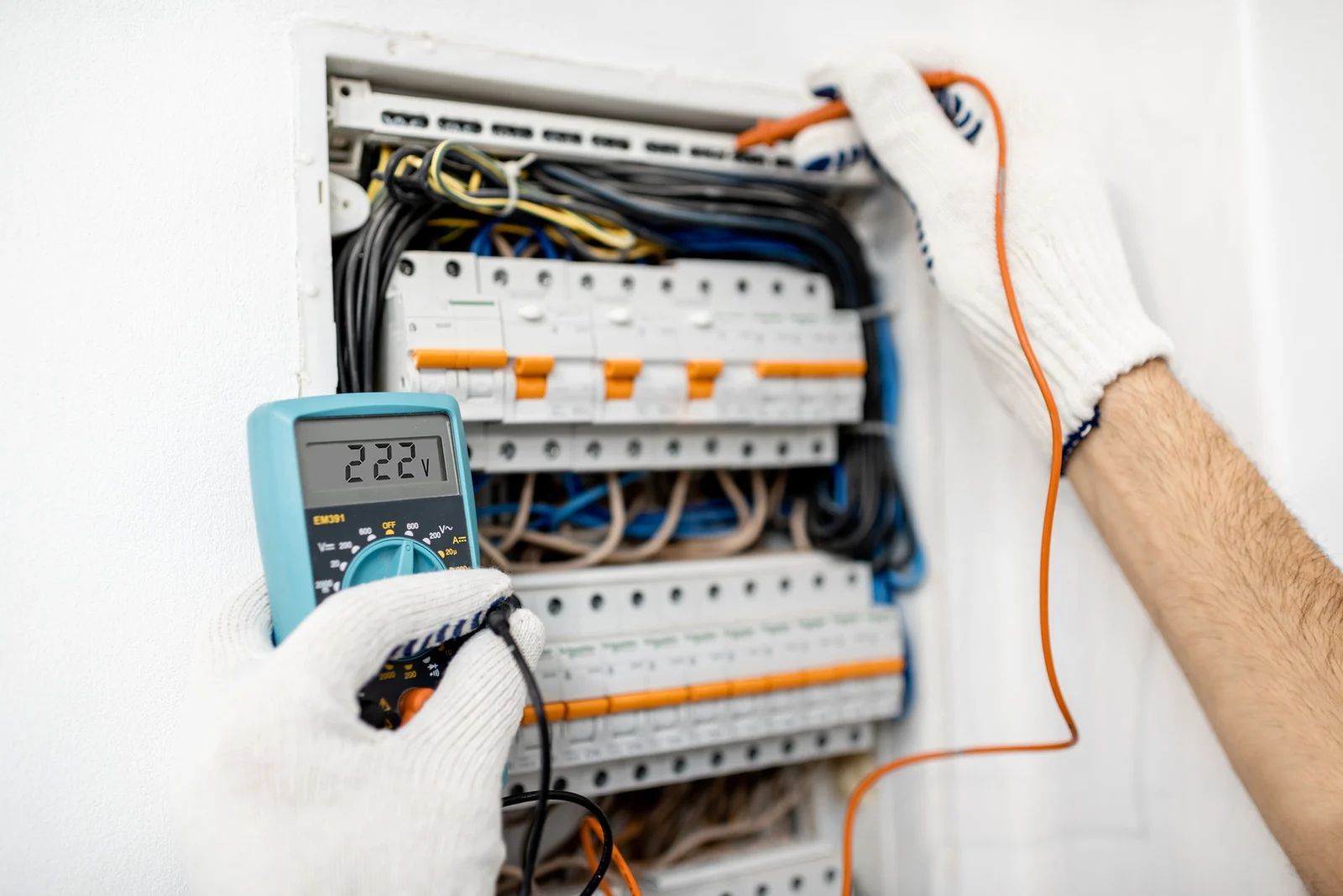
Professional electrical inspections identify vulnerabilities that may not be visible to homeowners. Licensed electricians can detect loose connections, aging components, improper grounding, and code compliance issues. Addressing these concerns proactively prevents emergency failures during winter storms when service access may be limited. Scheduled inspections also provide an opportunity to upgrade system components that are nearing the end of their life cycle, reducing unexpected costs.
Long-Term Benefits of Preventive Planning
Preventive electrical maintenance reduces the likelihood of unexpected outages, equipment damage, or safety hazards. Homes with well-maintained electrical systems experience fewer disruptions and lower repair costs over time. In harsh winter climates, preparation is far more effective and affordable than reactive repairs. Additionally, a proactive approach ensures peace of mind, knowing the home’s electrical infrastructure is optimized to handle the extreme demands of Wisconsin’s winter conditions.
Preparing your home’s electrical system for harsh Wisconsin winters is a vital step toward safety, reliability, and uninterrupted comfort. Cold temperatures, increased energy demands, moisture exposure, and storm-related outages place exceptional stress on residential electrical infrastructure. By evaluating panel capacity, protecting wiring and outdoor connections, installing surge protection, and planning for backup power, homeowners can significantly reduce winter-related risks. Seasonal inspections and proactive upgrades ensure electrical systems perform safely and efficiently when conditions are at their most challenging. A well-prepared electrical system not only supports heating and essential appliances but also safeguards your home from fire hazards, costly repairs, and prolonged outages. Winter readiness is not a luxury in cold climates—it is a necessity that protects both property and peace of mind throughout the most demanding months of the year.
Strengthening Home Electrical Systems Against Winter Stress
For homeowners seeking expert guidance and dependable solutions, Almekinder Electrical Contractor stands as a trusted authority in residential electrical services. Based in Minocqua, Wisconsin, the company brings 40 years of hands-on experience serving homes in demanding cold-weather environments. This deep regional knowledge allows them to understand how winter conditions uniquely affect electrical systems, from heavy load requirements to moisture and freeze-related vulnerabilities.
With decades of proven expertise, we prioritize safety, precision, and long-term reliability in every project. Their team focuses on proactive solutions that help homeowners avoid winter emergencies, reduce energy strain, and maintain consistent electrical performance throughout the cold season. By combining technical skill with a commitment to quality workmanship, they provide homeowners with confidence that their electrical systems are prepared for Wisconsin’s toughest winters.
Whether addressing aging panels, safety upgrades, or winter-readiness inspections, Almekinder Electrical Contractor
has built a reputation rooted in trust, professionalism, and results. Their experience-driven approach ensures homeowners receive reliable electrical solutions designed to perform when winter conditions are at their most severe.