100-Amp vs. 200-Amp Electrical Service: Which Does Your Home Need?
Quick Answer: Amp service is the total amount of electricity your home can draw at one time. A 100 amp service delivers roughly 24,000 watts at peak, while a 200 amp service delivers roughly 48,000 watts, which is double the capacity. A 100 amp service can still be enough for a smaller home that heats with gas or propane and runs few large electric appliances. A 200 amp service is the better fit once you add a bedroom wing, a heated workshop, electric heat, a heat pump, an EV charger, a hot tub, or several large motors. The right answer comes from a load calculation on your actual home, not from the age or size of the house alone.
You finally have the plans for the addition: a new bedroom and bath on the back of the house, maybe a heated garage workshop with a welder and a table saw. The builder asks one question you were not ready for. "What size is your electrical service?" You walk down to the basement, open the panel door, and see a main breaker with a number on it. 100. Does that number matter? It matters more than almost any other line on the plans.
Homeowners across the Northwoods run into this question when a cabin turns into a year round home, a garage gets finished, or the first electric vehicle shows up in the driveway. This guide explains what the numbers actually mean, how the two sizes compare, and which changes usually push a home past what 100 amps can handle.
What Amp Service Really Means
Think of electrical service as the size of the pipe bringing power from the utility into your house. The service rating, measured in amps, sets how much can flow through that pipe at one moment. Everything inside the house shares it: lights, outlets, the furnace blower, the well pump, the dryer, the range, and anything you add later.
At 240 volts, a 100 amp service can supply roughly 24,000 watts, and a 200 amp service can supply roughly 48,000 watts. That is not a gap of a few extra outlets. It is a second full house worth of capacity.
The service rating is also tied to physical equipment. The heavier wire from the utility connection, the meter base, the main breaker, and the panel itself are all sized to match. That is why a service upgrade is a larger project than swapping out a breaker, and why it is worth planning around other work rather than doing it in a hurry.
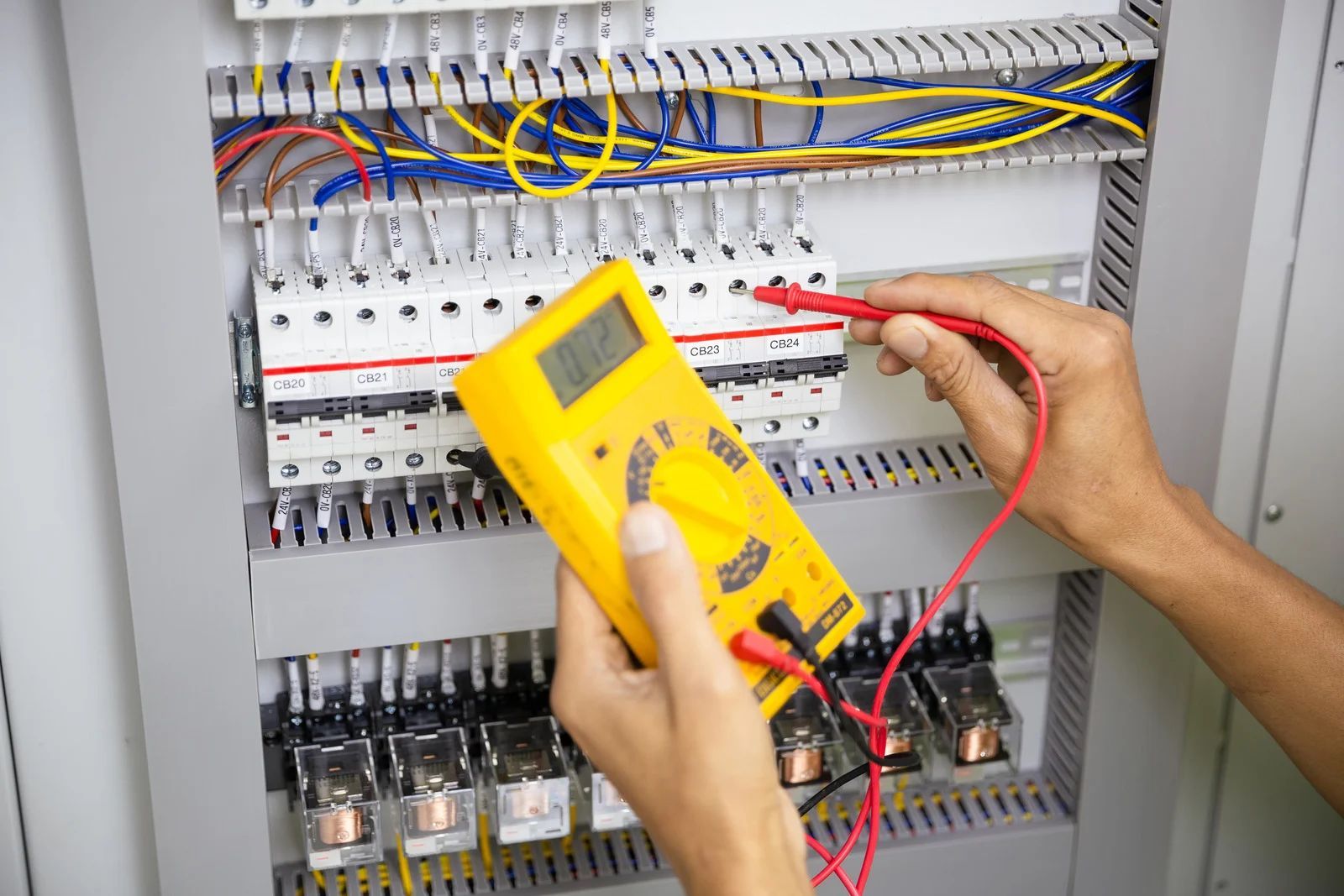
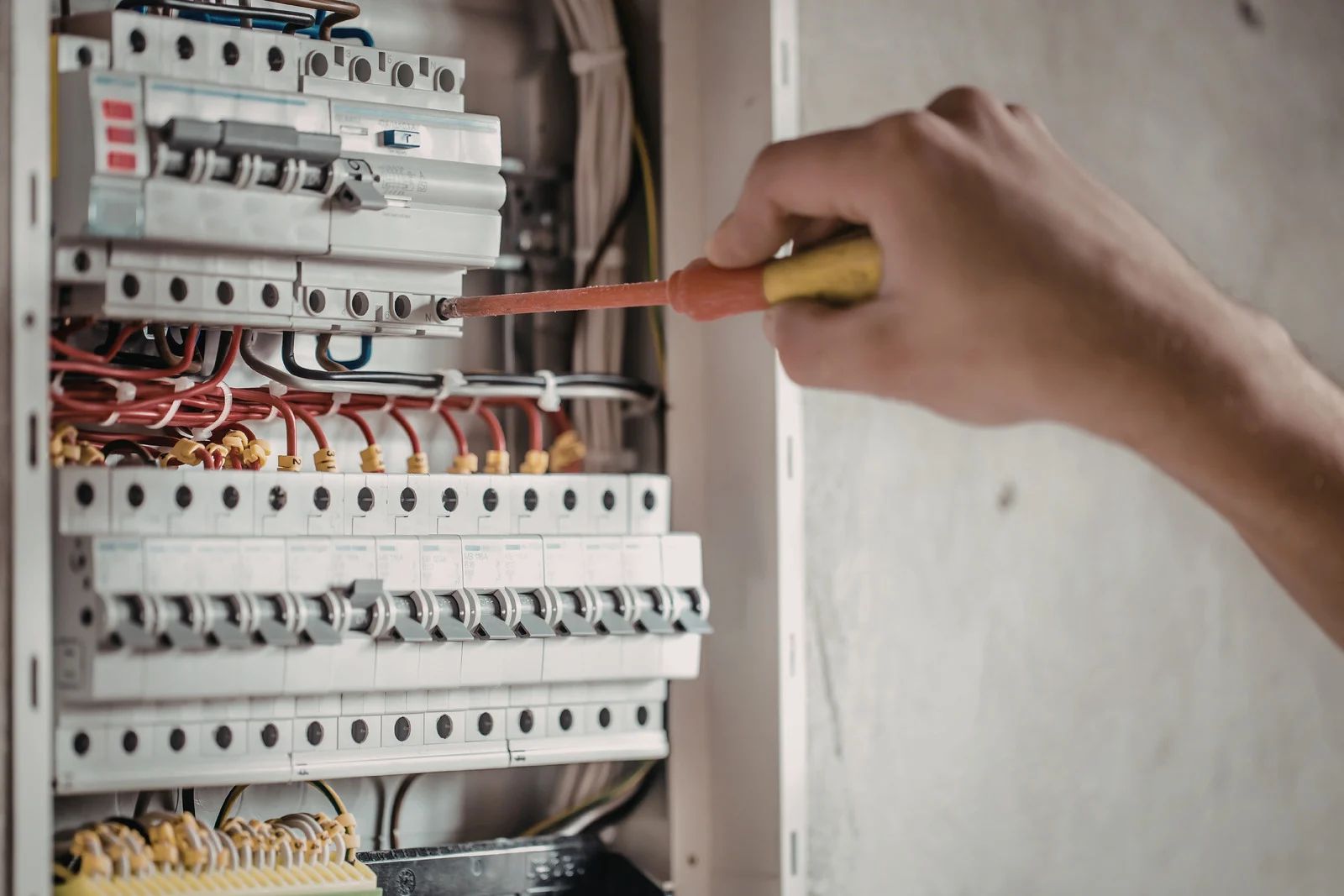
A quick way to read your current rating is to open the panel door and look at the main breaker, usually the largest breaker at the top. The number printed on it is your service size. Some panels also show the rating on a label inside the door. As a rough guide, a panel with about 20 breaker spaces is often a 100 amp panel, and one with about 40 spaces is often a 200 amp panel, though an electrician should confirm.
How 100 Amp and 200 Amp Service Compare in Daily Life
On a typical day, a house uses far less than its full service rating. Capacity matters on the heaviest moments, when the furnace blower, a well pump, an oven, and the dryer all want power in the same window.
A 100 amp service handles a modest home well when the big loads run on gas or propane. If the furnace, water heater, range, and dryer all burn fuel instead of electricity, the electrical load is mostly lighting, outlets, small appliances, and a few motors. Plenty of older Northwoods homes live comfortably on 100 amps for decades.
A 200 amp service gives room for electric loads to stack. That means an electric range and dryer, an electric water heater, central air, a heat pump, a well pump, and a few extra circuits without the service running near its ceiling. It also leaves space on the panel for new breakers, which matters just as much as raw capacity. Older 100 amp panels often arrive with almost no open spaces left.
There is a middle ground, too. Some homes have 150 amp service, which suits a house that has grown a bit but not dramatically. For anything involving a major addition or several new electric loads, most homeowners find that 200 amps is the practical target.
When an Addition Pushes You Past 100 Amps
An addition does more than add square footage. It adds lighting circuits, receptacles, heating and cooling, and often a new bathroom with its own loads. Each of those draws from the same service that was sized for the original house.
A bedroom and bath addition might bring electric baseboard or a mini split system, a bathroom exhaust fan, heated flooring, and a dozen new receptacles. A kitchen expansion can bring a second oven, a larger range, a dishwasher, and a microwave on dedicated circuits. A sunroom or four season porch brings heating, lighting, and often a hot tub or spa nearby.
The warning sign is a panel that is already crowded. If your 100 amp panel has no open breaker spaces and the addition needs new circuits, the choices narrow quickly. A subpanel can add spaces, and load sharing devices can help in certain setups, but when the house is already close to its limit, increasing the service itself is often the cleaner long term answer.
The best time to settle this is before the walls close up. Running new wire and setting a bigger panel while framing is open is far easier than retrofitting later, and it lets the electrician design the circuits for the whole house instead of squeezing the addition onto the old layout.
Workshops, Garages, and Heavy Equipment
A workshop is where amp service gets tested fastest. Hobby woodworking, metal shops, and detached garages often combine large motors with heating.
A table saw, a planer, a dust collector, and a compressor are all motor loads, and motors pull far more current for a moment when they start than when they run. Add a welder, which can draw heavy current in short bursts, and a heater to keep the shop usable through a Northern Wisconsin winter, and the shop alone may demand more than a modest panel can give.
A detached garage or outbuilding is often fed by a subpanel from the main house. That feed shares the house's service, so a big shop on a 100 amp house can quietly eat into the capacity the kitchen and furnace need. If lights dim in the house when the shop compressor starts, the service and feeder are working too hard.
Tip: Before buying a large piece of equipment, check its nameplate for voltage and amperage and write the numbers down. Bring that list to your electrician. It turns a guess about your shop into a real load calculation, and it prevents buying a machine your service cannot comfortably feed.
Electric Appliances and Modern Equipment That Add Load
Modern homes ask more of the electrical service than homes did even twenty years ago, and much of the growth comes from electrification. Several common upgrades are worth thinking about together.
Heat pumps are a major one. A cold climate heat pump can draw a large current when it starts, and many installations include backup electric heat strips that add even more. Going from a propane furnace to electric heat is one of the most common reasons a 100 amp house runs short.
Electric vehicle chargers are another. A Level 2 home charger is a continuous load, often running for hours at a time, and by itself it can take a significant share of a 100 amp service. A garage with an EV charger, a dryer, and an electric water heater all running on the same evening can approach the limit.
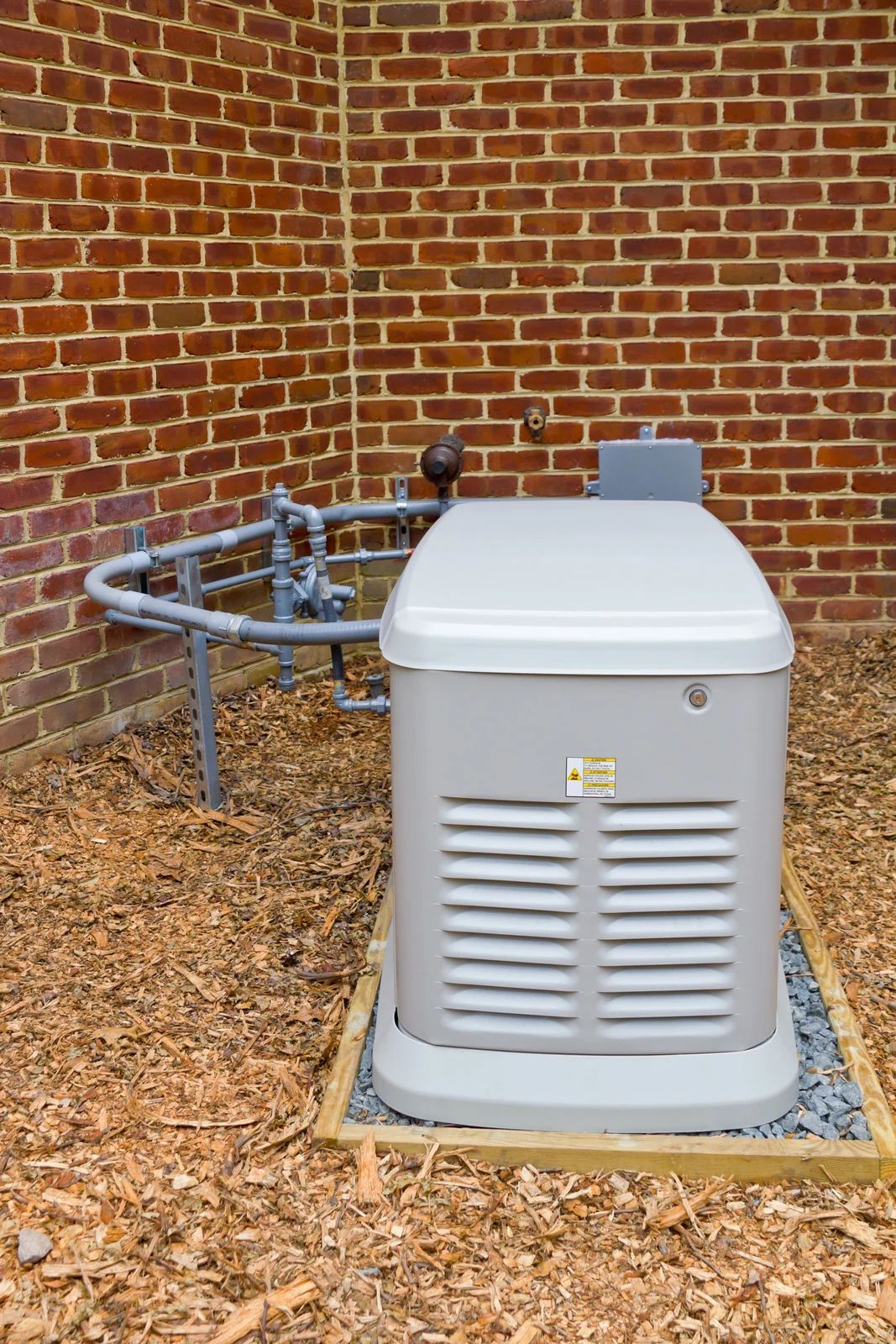
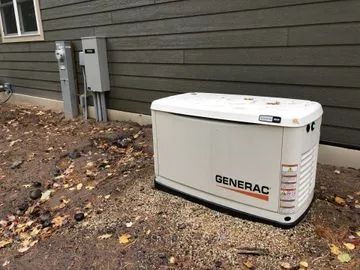
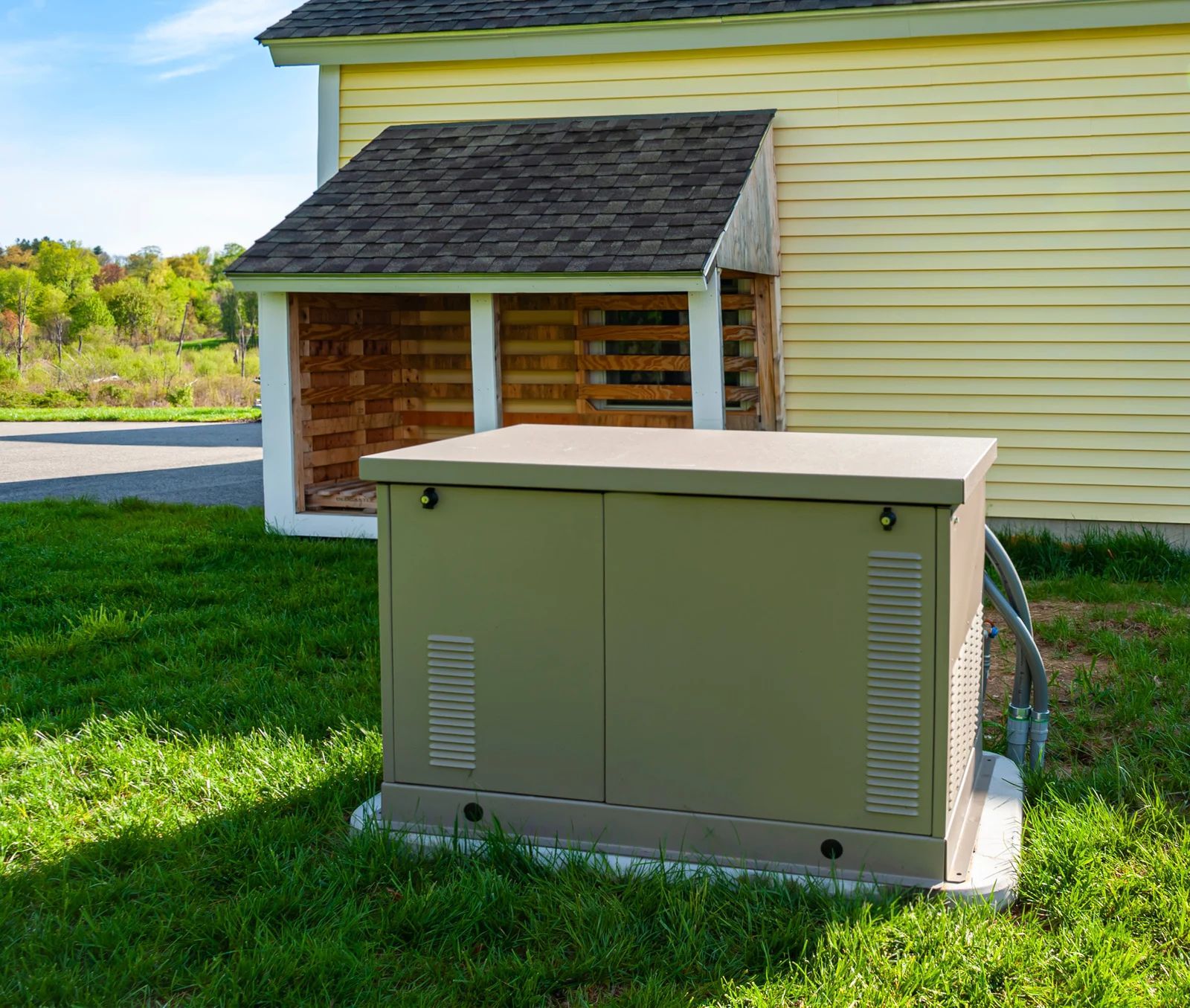
Other additions add up too: a hot tub, an induction range, a tankless electric water heater, a well pump upgrade, or a whole house standby generator with its transfer switch. Each one is reasonable alone. Together they are what moves a house from comfortable to constrained.
The important point is that these loads are rarely added all at once. They arrive over several years, one project at a time, and the service that felt generous at the start slowly becomes the bottleneck. Planning for the next ten years of use, not just the next project, is how homeowners avoid doing the same electrical work twice.
Signs Your Current Service May Be Too Small
You do not always need a plan to see trouble coming. Your house often tells you.
Breakers that trip regularly under normal use suggest a circuit or the service is overloaded. Lights that dim when the furnace blower, the dryer, or a compressor starts point to a heavy draw on limited capacity. A panel with no open spaces, or one full of doubled up tandem breakers, is out of room. A heavy reliance on extension cords and power strips often means there are not enough circuits where you need them.
Fuse boxes are another clue. Older fuse panels are often limited to 100 amps or less and were not designed for modern loads. Scorch marks near outlets, a warm panel, or a burning smell are more serious signals.
Warning: A panel that feels hot, buzzes, or smells like burning should be treated as urgent. Do not open the panel cover or try to tighten anything yourself. Turn off what you can safely, keep clear of the panel, and call a licensed electrician right away.
What an Electrician Looks At Before Recommending a Service Size
Choosing between 100 and 200 amps is not a coin flip, and it is not just a matter of picking the bigger number. An electrician starts with a load calculation, using the method laid out in the National Electrical Code for dwellings. It adds up the lighting, general receptacle loads, large appliances, heating and cooling, and motors, and applies established demand factors that reflect how loads actually overlap in real homes.
Then the plan looks forward. If you intend to add a heat pump, an EV charger, a workshop, or an addition in the next several years, those loads belong in the calculation now. A service sized only for today can be outgrown quickly.
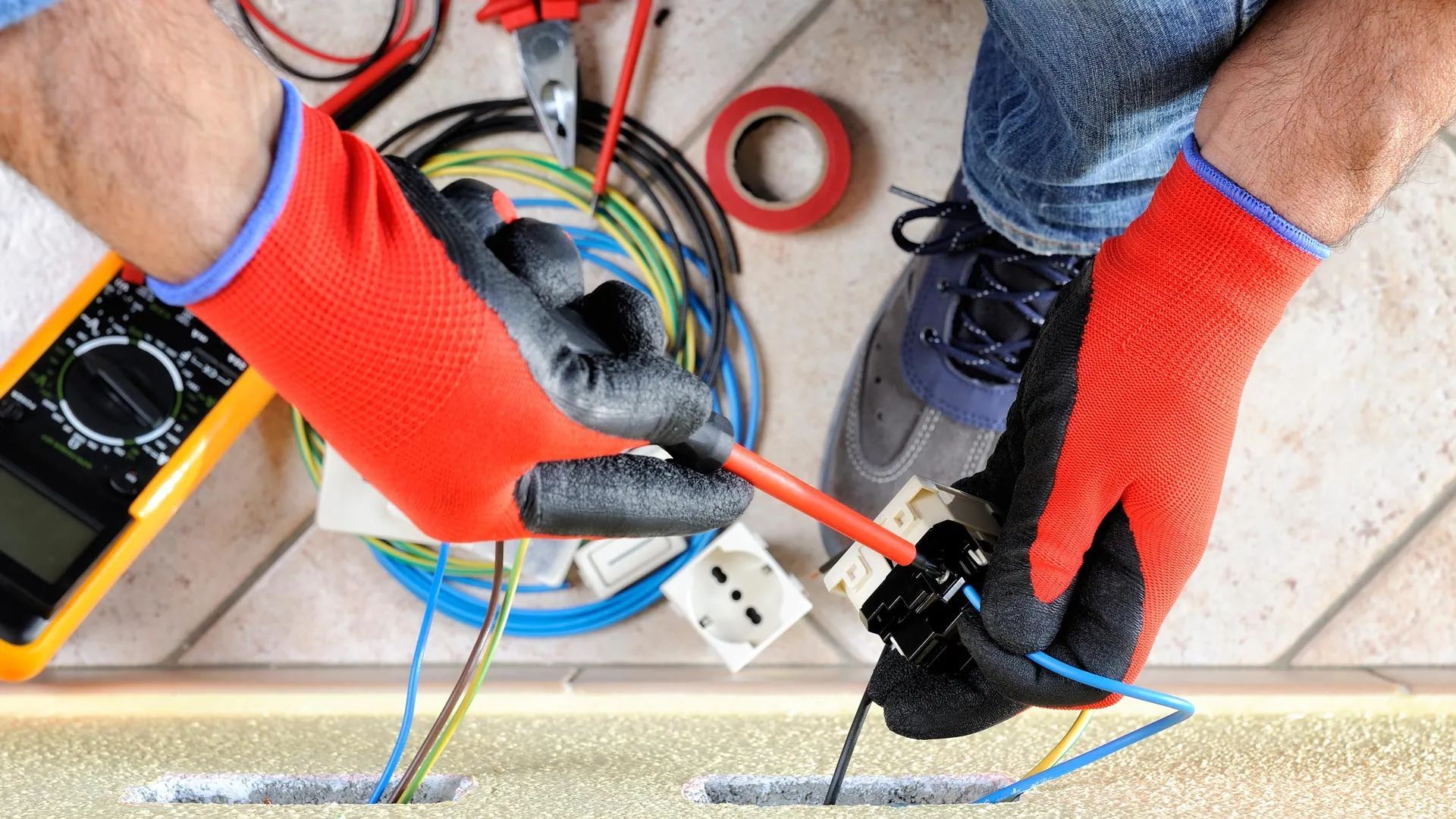
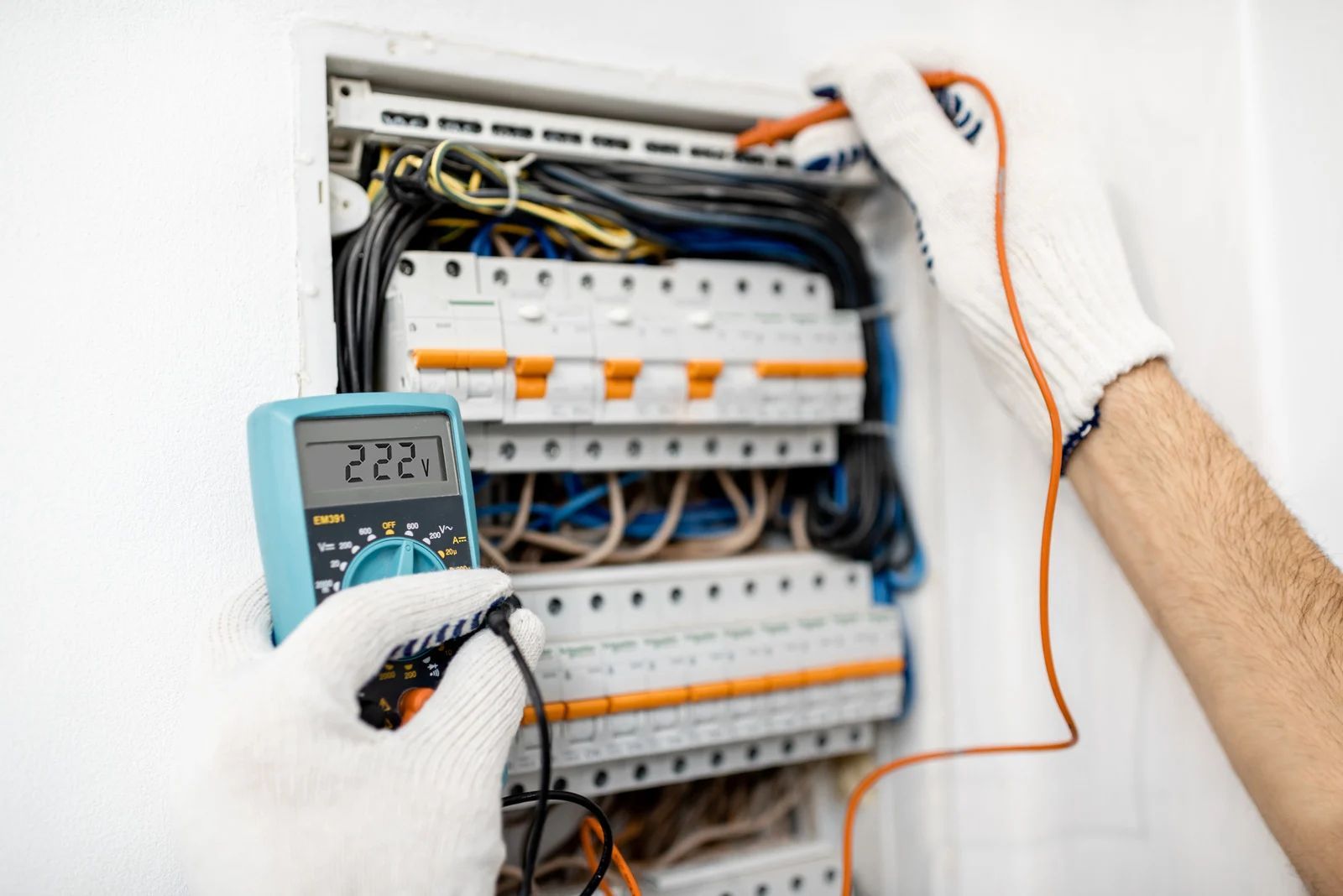
The physical side matters as well. The electrician checks the meter base, the main panel, the wire from the utility connection, the grounding, and the condition of the existing equipment. Overhead and underground service each bring different work, and the utility has to be part of the process for the connection itself. A good plan also decides whether the existing panel should be replaced or whether a subpanel can serve part of the load.
Sometimes the answer is that you do not need a full upgrade yet. Load management devices can pause a low priority load, like a water heater, while an EV charges, and a modest subpanel can solve a space problem. An honest electrician tells you when a simpler fix is enough, and when it is only delaying the inevitable.
Frequently Asked Questions
How do I know if I have 100 amp or 200 amp service?
Open your main panel and read the number on the main breaker, usually at the top. It may also appear on a label inside the door, though an electrician should confirm the rating and condition.
Is 100 amp service enough for a modern home?
It can be, especially for a smaller home with gas or propane heating, cooking, and water heating. It gets tight with electric heat, a heat pump, central air, an EV charger, or several large appliances.
Will an addition require a 200 amp service?
Not always, but often. A small addition on a home with room to spare may be fine. A larger one with its own heating, bathroom, and new circuits commonly pushes a 100 amp service past its limit.
Can a workshop run on 100 amp service?
A small workshop with a few tools can. A shop running a welder, large stationary tools, a compressor, and heat shares capacity with the house, and it may need a larger service or a properly sized subpanel.
Can I add an EV charger to a 100 amp panel?
Sometimes. A gas heated home with few electric appliances may handle it, especially with a lower amperage circuit or a load management device. An all electric home usually needs more capacity, which your electrician can confirm.
How long does a service upgrade take?
It depends on the equipment, whether the service is overhead or underground, and the utility’s schedule. The work involves a power shutoff, so a good electrician plans it with you and coordinates timing with the utility.
Choosing the Right Service Before You Build
The number on your main breaker decides how much your house can do at one moment. A 100 amp service has carried many homes for decades, yet additions, workshops, heat pumps, and electric vehicles all ask for more than it was built to give. These loads rarely arrive together, which is how a service that once felt generous slowly becomes the bottleneck. The smartest time to settle the question is before the work begins, when the plan and the panel can be designed as one.
That forward look is where experience makes the difference. Almekinder Electrical Contractor
has spent 40+ years wiring homes, additions, and workshops across Minocqua, WI, and that time in the Northwoods is what turns a
crowded panel
into a clear load calculation rather than a guess. Add up what you run today, weigh what you plan to add over the next decade, and let the numbers point to 100 or 200 amps, so the service is ready the day your next project is framed in.