Common Electrical Problems in Northern Wisconsin Homes (and How to Avoid Them)
Northern Wisconsin homes, with their unique blend of seasonal extremes, often face electrical challenges that homeowners may not encounter elsewhere. From the frigid winters that test heating systems to the humid summers that strain cooling units, the region's climate places a significant demand on residential electrical infrastructure. Understanding common electrical problems and learning preventive measures is crucial for homeowners who want to maintain safety, efficiency, and comfort throughout the year. Electrical issues, if left unchecked, can lead to equipment failure, higher energy bills, or even fire hazards, making proactive attention more than just a convenience—it is a necessity.
In addition to climate-driven concerns, older homes in Northern Wisconsin often feature outdated wiring, insufficient electrical panels, and circuits that were never designed to handle modern energy demands. Coupled with DIY electrical fixes or intermittent maintenance, these factors create a perfect storm for
recurring electrical problems. This article explores the most frequent electrical issues found in the region’s homes, explains why they occur, and provides actionable strategies to prevent them. By equipping homeowners with practical knowledge and expert advice, we aim to reduce risks, extend the lifespan of electrical systems, and ensure a safe, reliable power supply for every household.
Overloaded Circuits and Frequent Breaker Trips
Understanding Overloaded Circuits
One of the most common electrical problems in Northern Wisconsin homes is overloaded circuits. Older homes, in particular, were not designed to handle the number of devices modern families now use, from high-efficiency heaters and air conditioners to multiple kitchen appliances and personal electronics. Overloading occurs when the total electrical demand on a circuit exceeds its rated capacity, causing breakers to trip repeatedly. While breakers are designed to protect your home from dangerous overheating, frequent trips indicate an underlying issue that requires attention.
Signs and Risks
Homeowners often notice flickering lights, warm outlets, or breakers that reset repeatedly. These signs are not merely annoyances—they can indicate serious safety risks such as damaged wiring insulation or potential fire hazards. Additionally, relying on extension cords or power strips to manage multiple appliances on a single circuit can exacerbate the problem and reduce overall system efficiency.
Prevention Strategies
To prevent circuit overloads, start by conducting an electrical audit. Identify which appliances or devices consume the most power and redistribute them across multiple circuits. Installing dedicated circuits for high-demand equipment like space heaters or electric ovens can significantly reduce risk. Upgrading older panels to modern standards also ensures your home can safely support current and future electrical needs. Regular professional inspections provide an added layer of safety and early detection of potential overloads.
Faulty Wiring and Aging Electrical Systems
Causes of Faulty Wiring
Faulty wiring is a critical problem in many Northern Wisconsin homes, especially those constructed several decades ago. Aging insulation, outdated materials such as aluminum wiring, and exposure to moisture are common contributors. Over time, wires can become brittle, connections may loosen, and corrosion can develop, creating the perfect environment for shorts or arcing. Even minor faults can escalate into major hazards if not addressed promptly.
Common Indicators
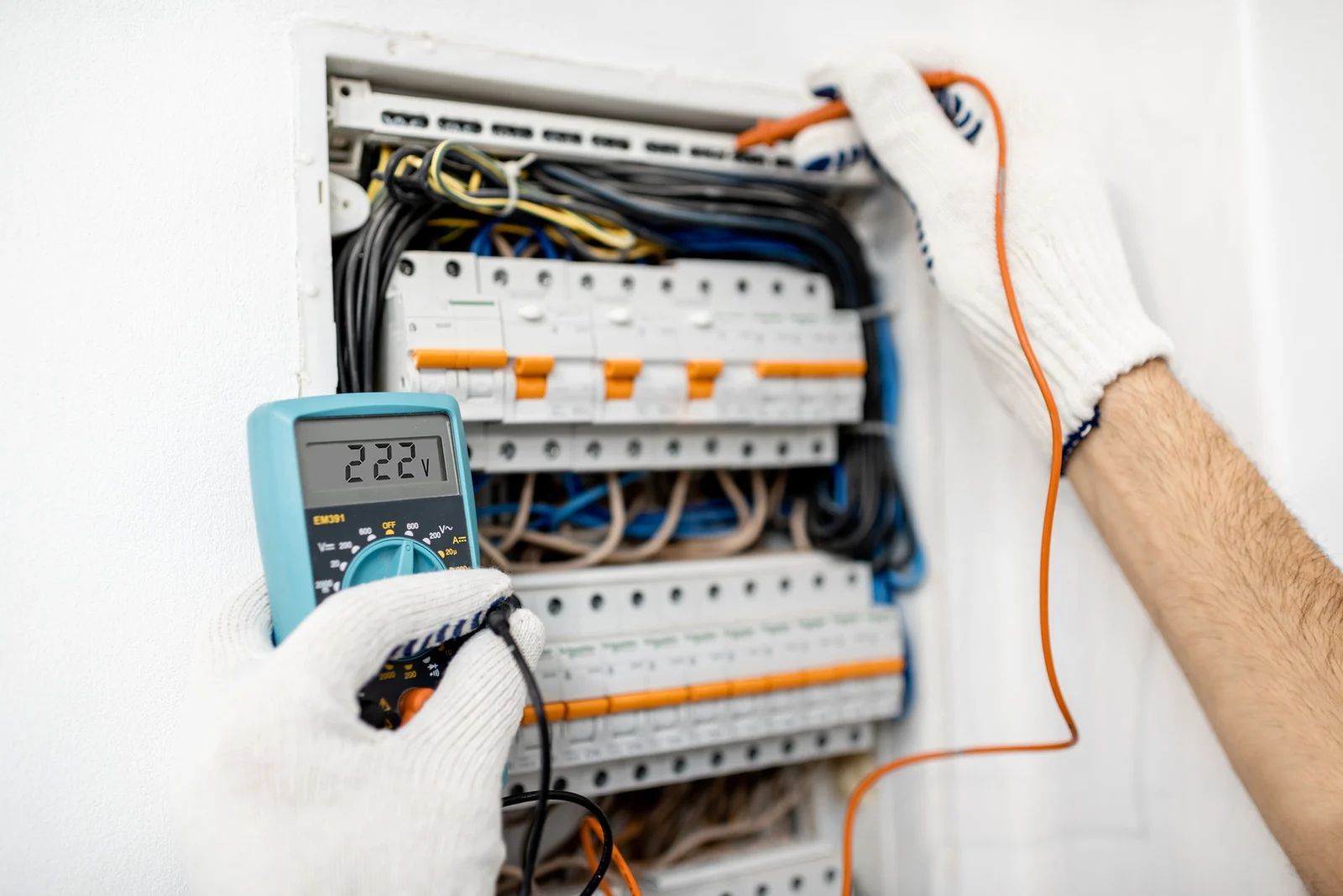
Signs of faulty wiring include buzzing sounds from outlets, sparking when plugging in devices, and uneven power distribution across your home. In some cases, you may notice a slight burning odor near outlets or switches—an urgent red flag that requires immediate attention. Ignoring these indicators not only endangers household safety but also risks costly repairs or insurance complications.
Best Practices for Prevention
Regular electrical inspections, ideally by licensed professionals, are essential. Modernizing wiring during home renovations or as part of routine maintenance helps prevent dangerous failures. Homeowners should also avoid DIY fixes on old wiring systems and never overload outlets, especially in areas prone to moisture. Installing surge protection devices can mitigate damage from sudden voltage spikes, further protecting both wiring and appliances.
Outlet and Switch Failures
Why Outlets Fail
Frequent use, poor-quality materials, and wear over time can cause outlets and switches to fail. In Northern Wisconsin, fluctuating temperatures and seasonal humidity can accelerate these issues, particularly in basements, garages, and kitchens. Loose connections within outlets not only compromise performance but also increase the risk of overheating and electrical fires.
Troubleshooting Common Problems
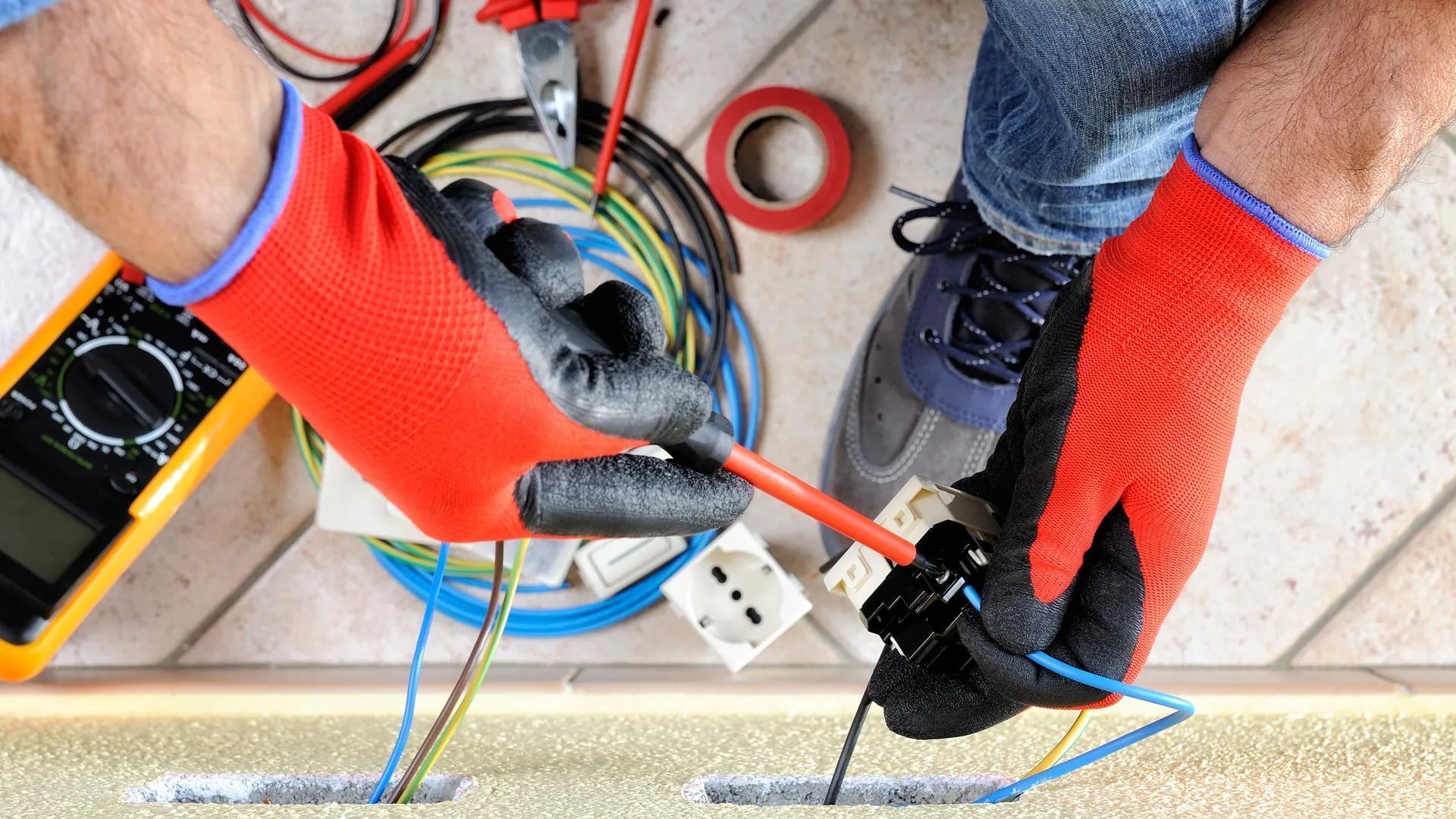
Homeowners might experience outlets that stop working entirely, switches that feel warm to the touch, or lights that flicker despite a functional bulb. In many cases, these symptoms point to internal wear or loose connections rather than a full system failure. Identifying faulty outlets early prevents damage to connected devices and maintains overall household safety.
Preventive Measures
Routine inspections of all outlets and switches, particularly in high-use areas, are critical. Replacing worn or damaged outlets with modern, grounded, or GFCI-equipped models ensures continued protection. Additionally, homeowners should avoid overloading outlets with multiple high-wattage devices and ensure that all electrical work follows local code standards. For older homes, a full outlet upgrade may be the safest and most cost-effective solution.
Electrical Panel Issues
Recognizing Panel Problems
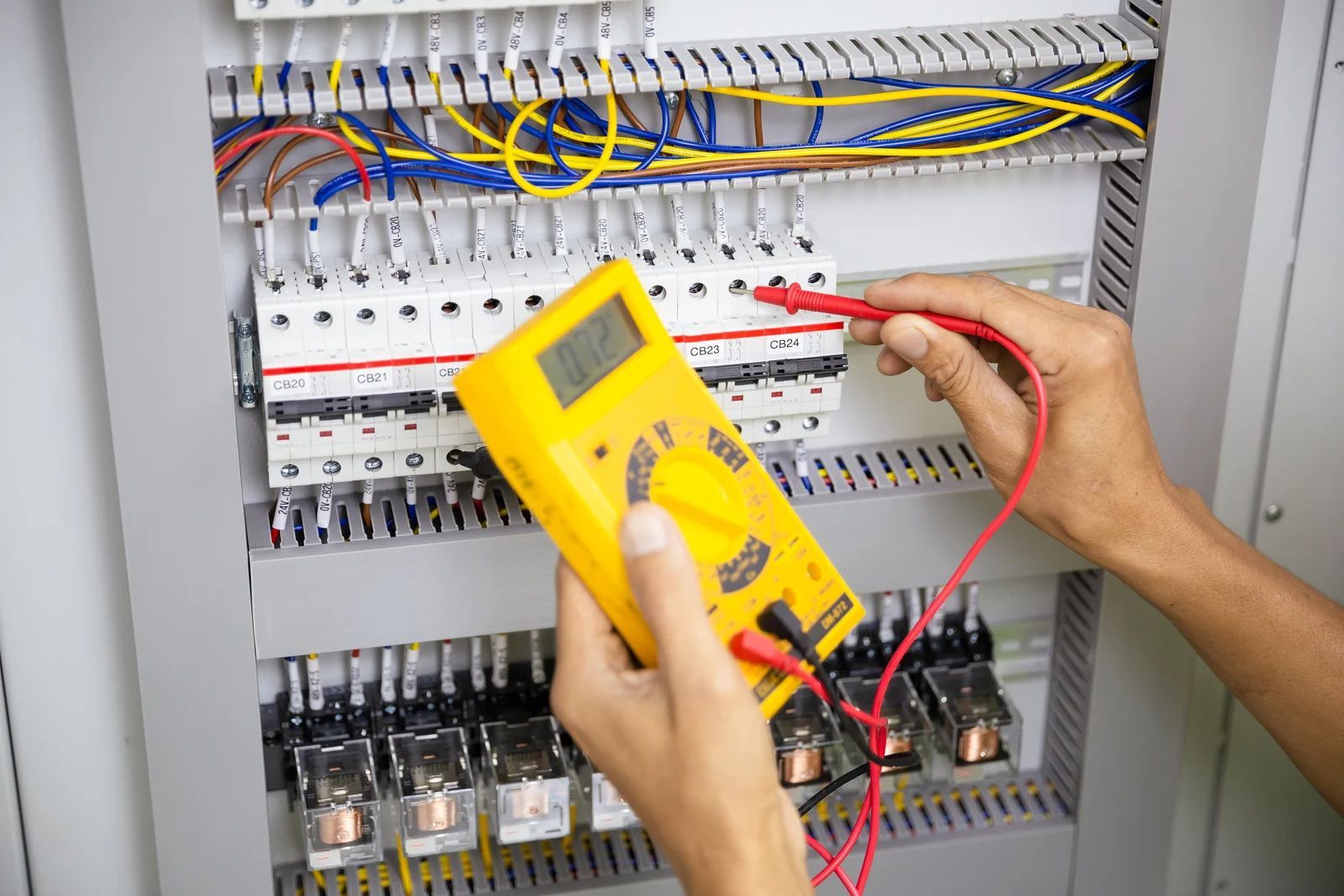
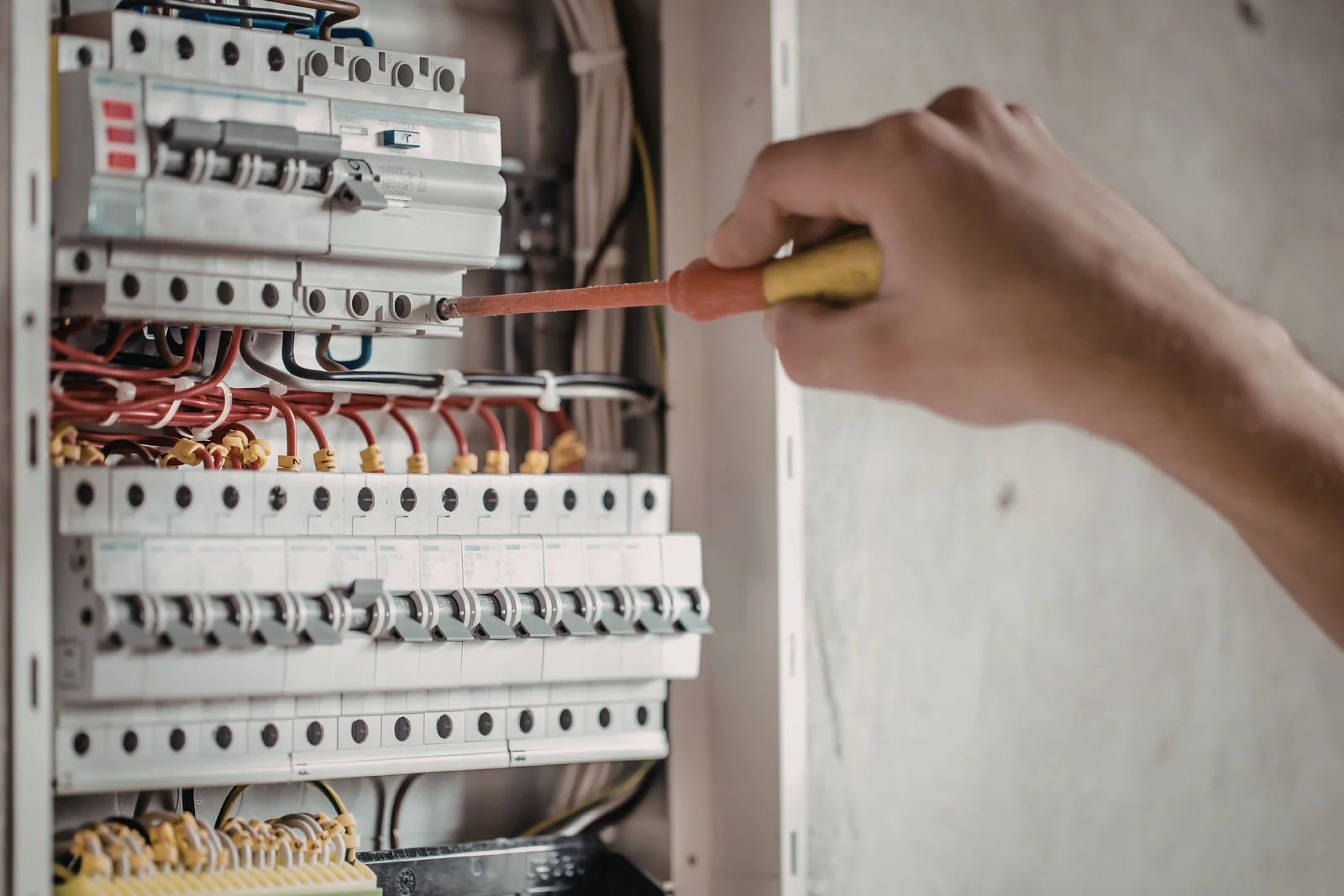
Electrical panels are the heart of any home’s wiring system, distributing power safely to circuits throughout the property. In Northern Wisconsin, older panels may lack the capacity to handle today’s energy needs, leading to frequent breaker trips, overheating, and inefficient power distribution. Corrosion, worn connections, and outdated designs can further compromise performance.
Real-World Examples
A common scenario involves homeowners trying to run multiple appliances during winter. Space heaters, ovens, and other high-demand equipment may trip breakers repeatedly, frustrating residents and potentially creating fire risks. Homes with original panels from decades past are especially vulnerable, as older breakers may fail to trip under stress, leaving circuits overloaded.
Best Practices
Upgrading to a modern panel with sufficient amperage ensures safety and reliability. Proper labeling of circuits, routine inspections, and timely replacement of worn breakers are essential for preventing electrical failures. In addition, installing surge protection at the panel level can safeguard sensitive electronics from voltage fluctuations caused by storms or power surges, which are frequent in Northern Wisconsin’s climate.
Electrical Problems from Moisture and Seasonal Changes
How Moisture Affects Electrical Systems
Northern Wisconsin’s homes are exposed to seasonal weather extremes, including heavy snowfall, ice, and rain. Moisture intrusion in basements, attics, and outdoor outlets can lead to short circuits, corrosion, and insulation degradation. Even minor leaks or condensation around electrical components can compromise safety over time.
Common Scenarios
Flooded basements during spring thaw or water leaks near kitchen and bathroom outlets are frequent culprits. Homeowners may notice frequent tripping of GFCI outlets, rust on panels, or intermittent power issues in damp areas. Seasonal temperature swings can also stress electrical components, leading to brittle insulation or loose connections.
Prevention Techniques
Proper sealing of outlets, panels, and junction boxes in moisture-prone areas is critical. Installing GFCI outlets in kitchens, bathrooms, and exterior locations adds an important layer of protection. Additionally, monitoring and addressing roof or plumbing leaks prevents water from reaching wiring systems. For homes in older neighborhoods, consider upgrading outdoor and basement wiring to weatherproof materials that withstand extreme seasonal conditions.
Expert Electrical Contractors Serving Northern Wisconsin Homes
Northern Wisconsin homes face a variety of electrical challenges, from overloaded circuits and aging wiring to moisture intrusion, panel limitations, and surge risks. Recognizing these issues early and implementing preventive measures can save homeowners significant time, money, and potential safety hazards. Routine inspections, proper upgrades, and professional guidance are essential to maintaining a safe, reliable, and efficient electrical system. By understanding the common problems highlighted in this article, homeowners can make informed decisions that protect both their property and the well-being of their families.
For over 40
years, Almekinder Electrical Contractor
has served the Minocqua, Wisconsin community with expert electrical contracting services. Our extensive experience allows us to identify and address the unique electrical challenges faced by local homes, from seasonal surges to aging wiring and high-demand circuits. We combine professional expertise with a customer-focused approach, ensuring every project meets the highest safety and quality standards. Whether it’s upgrading an outdated panel, installing surge protection, or performing routine maintenance, our team provides comprehensive solutions that prevent future problems and enhance household safety. Trust Almekinder Electrical Contractor
to safeguard your home’s electrical system with reliable, professional, and experienced service backed by decades of hands-on knowledge in Northern Wisconsin.