Why Every Home in Minocqua Should Consider a Backup Generator?
Minocqua, Wisconsin, is known for its dense forests, lake-rich landscape, and seasonal weather extremes that bring both beauty and disruption. While residents enjoy the charm of the Northwoods, the region’s electrical infrastructure is frequently tested by heavy snow, ice storms, thunderstorms, and high winds. These conditions often lead to sudden and prolonged power outages that affect heating systems, refrigeration, communication, and overall home safety. In such an environment, dependable backup power is no longer a luxury but a practical necessity for modern living. These disruptions can occur multiple times within a single season, especially during peak winter months when ice accumulation becomes severe. Even short outages can create serious challenges for households relying on electric heating systems. Over time, this unpredictability reinforces the need for reliable residential power solutions that can operate independently of the grid.
A backup generator provides a reliable safeguard against unexpected grid failures by ensuring continuous electricity during outages. For homes in Minocqua, where temperatures can drop sharply, and weather events can escalate quickly, having a secondary power source helps maintain comfort, security, and essential daily functions. From preserving food supplies to keeping heating systems active, backup generators play a critical role in reducing disruption and preventing costly damage. As energy reliability becomes increasingly important across residential communities, homeowners are actively seeking solutions that provide resilience and peace of mind. Modern generator systems are designed to activate automatically within seconds of a power failure, minimizing downtime and disruption. This rapid response is especially valuable during extreme cold when heating systems must remain active to protect both property and occupants. As a result, backup power solutions are increasingly viewed as an essential layer of home safety rather than an optional upgrade.
Unpredictable Weather and Power Reliability Challenges in Minocqua
Seasonal Storm Impact on Electrical Systems
Minocqua experiences frequent winter storms, heavy snowfall, and ice accumulation that place severe stress on power lines and transformers. Even brief outages can escalate into long disruptions when roads become blocked, and utility crews face unsafe conditions, delaying repairs and increasing dependence on reliable backup power systems for households.
Grid Vulnerability in Rural Landscapes
Rural infrastructure in the Minocqua region is spread across wide areas, causing extended repair timelines compared to urban settings. A single transmission fault can disrupt multiple homes for hours or even days, increasing reliance on backup power systems that maintain essential household operations during unpredictable grid failures and delays.
Real-Life Household Disruptions
During power outages, household heating systems shut down, water pipes risk freezing, and sump pumps stop functioning entirely. These failures can quickly escalate into structural damage and costly repairs, especially during colder months when temperatures drop below freezing, and continuous power is essential for maintaining safe living conditions in homes.
Increasing Demand for Energy Resilience
Rising seasonal demand and aging electrical infrastructure highlight the importance of achieving home-level energy independence. Backup generators provide a practical response to unpredictable service interruptions, ensuring continuity of essential household operations and reducing risks associated with prolonged outages during severe weather conditions across the Minocqua region throughout the year.
Key Benefits of Installing a Backup Generator
Continuous Power for Essential Systems
A standby generator ensures the uninterrupted operation of essential home systems, including heating units, refrigeration, lighting, and medical devices. This continuous power supply becomes critical during extended outages, helping maintain comfort, safety, and daily functionality without interruption in households affected by severe weather or unexpected grid failures in rural environments.
Protection Against Property Damage
Backup generators help prevent common household damage caused by power failures, such as frozen pipes, basement flooding, and spoiled food. By keeping essential systems operational, these units reduce the likelihood of expensive repairs and help protect property integrity during unexpected outages and harsh seasonal weather conditions across residential areas.
Enhanced Home Safety and Security
Backup power systems maintain the operation of home security equipment, outdoor lighting, and communication devices during outages. This continued functionality helps reduce vulnerability, supports situational awareness, and ensures households remain connected and protected when grid failures occur unexpectedly in rural and weather-prone regions with limited emergency response access, overall resilience.
Comfort During Extreme Weather
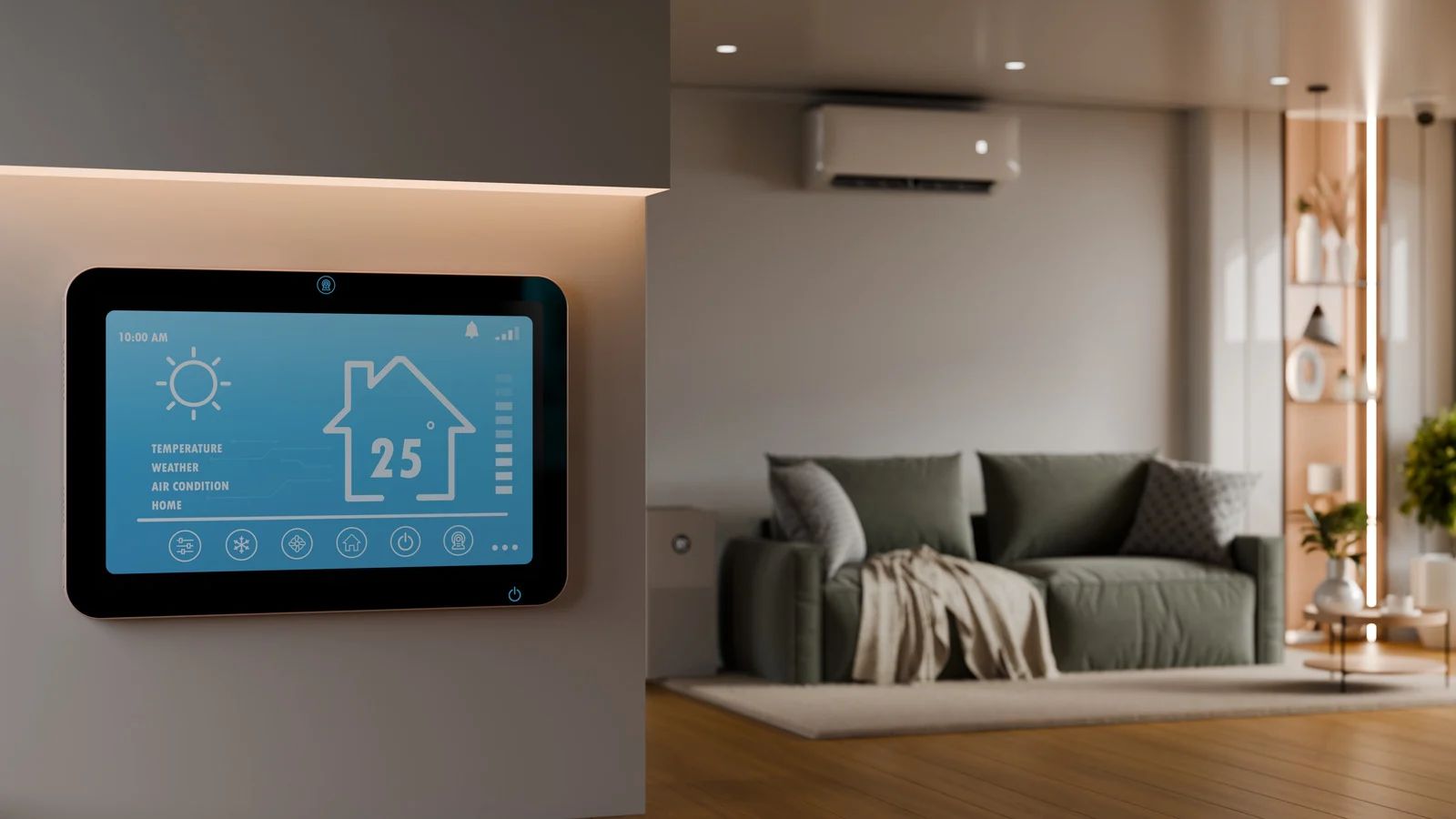
Maintaining indoor temperature control is essential during both freezing winters and humid summer storms. Backup power ensures HVAC systems continue operating without interruption, providing consistent comfort and protecting occupants from extreme weather conditions that can quickly make indoor environments unsafe or unlivable during prolonged electrical outages across seasons region.
Increased Property Value
Homes equipped with backup generators are often considered more resilient and attractive in the real estate market. This added feature improves long-term property appeal, increases buyer confidence, and strengthens resale potential in areas where power reliability is a key concern for homeowners and prospective buyers alike across regions overall.
Types of Backup Generators and Selection Factors
Standby Generators for Whole-Home Coverage
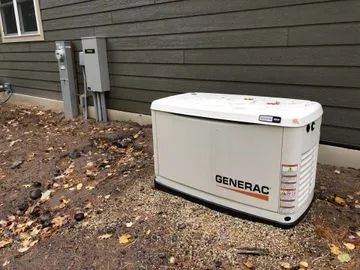
Standby generators are permanently installed systems designed to activate automatically during power outages. They provide seamless transition of electricity and can support entire households depending on capacity, ensuring uninterrupted operation of essential appliances and systems during unexpected grid failures in residential environments requiring consistent backup power reliability standards systems.
Portable Generators for Flexible Usage
Portable generators offer flexible power solutions for temporary use during outages. These units are typically used to support essential appliances rather than full-home systems, making them a cost-effective option for short-term electricity needs in residential settings where limited power support is required during emergencies or maintenance-related interruption situations overall.
Fuel Options and Efficiency Considerations
Common generator fuel options include natural gas, propane, and diesel, each offering different advantages in availability, storage, and runtime efficiency. Selection depends on household requirements, fuel accessibility, and long-term operational preferences for maintaining consistent backup power performance during extended outages in varying environmental conditions and system reliability standards overall.
Load Assessment and Sizing Requirements
Proper load assessment ensures a generator is correctly sized to handle essential household appliances without overload. Accurate evaluation of power requirements helps determine system capacity, preventing performance issues and ensuring reliable operation during outages in residential environments with varying energy consumption demands and equipment configurations, and safety compliance standards.
Automatic Transfer Switch Integration
An automatic transfer switch enables seamless transition between grid power and backup generator systems during outages. It eliminates the need for manual intervention, ensuring safe and efficient power switching that supports the continuous operation of essential home systems during unexpected electrical failures in residential properties and operational reliability assurance systems.
Installation Standards and Maintenance Best Practices
Professional Installation Importance
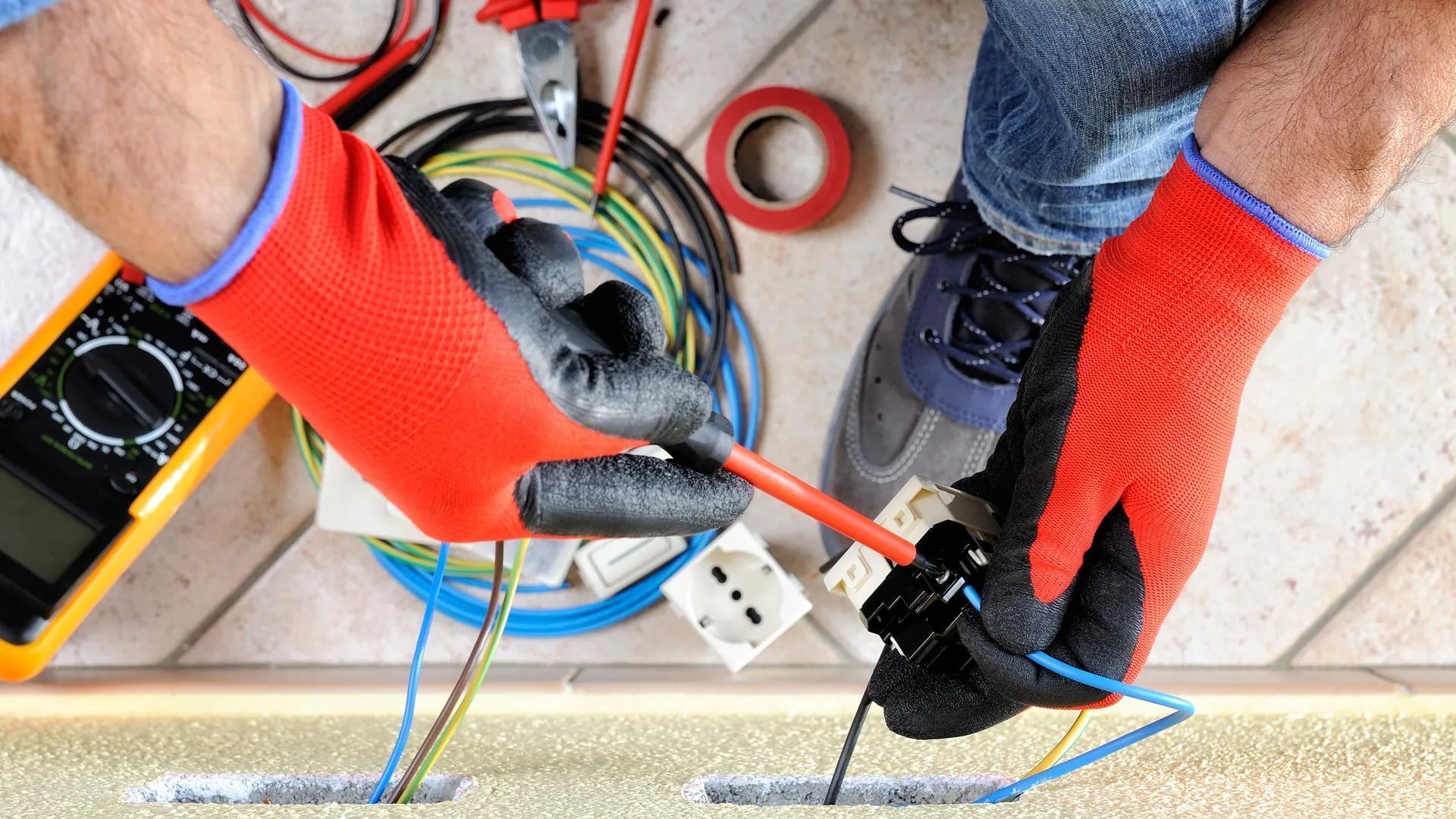
Professional installation ensures compliance with electrical codes, safe fuel connections, and optimal generator performance. Proper setup reduces risks of inefficiency, system failure, or safety hazards, while ensuring long-term reliability and adherence to industry standards for residential backup power systems in demanding environmental conditions across rural regions, and professional standards compliance.
Placement and Ventilation Guidelines
Generators must be installed in well-ventilated outdoor locations with proper clearance from windows and doors. This placement ensures safe exhaust dispersion, reduces carbon monoxide risks, and supports efficient operation under varying environmental conditions in residential settings requiring strict adherence to safety and performance guidelines and regulatory compliance standards overall.
Routine Testing and System Checks
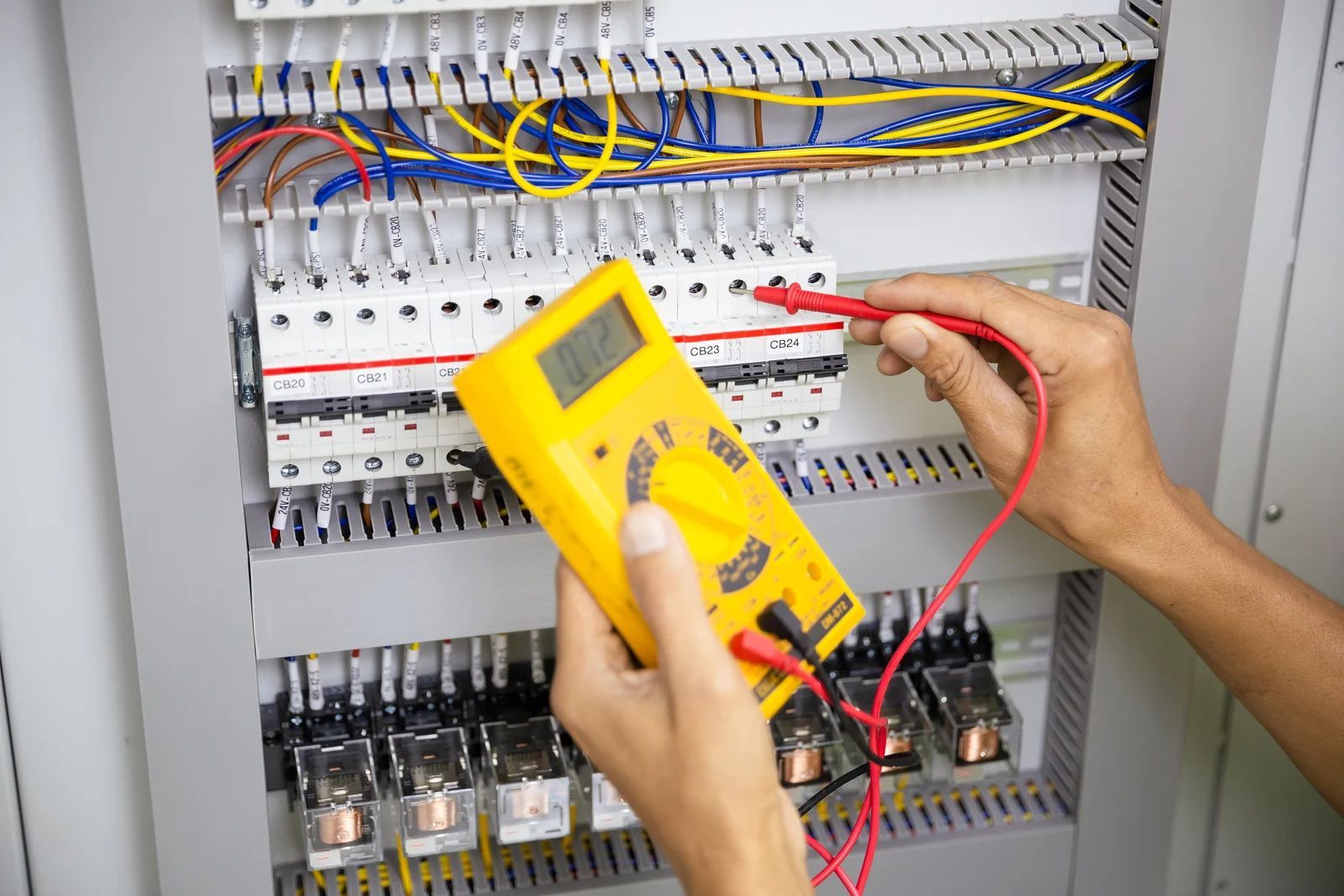
Regular testing ensures backup generators remain fully operational and ready for emergency use. Monthly startup checks and load testing help maintain system reliability, identify potential issues early, and ensure consistent performance during unexpected power outages in residential environments requiring dependable backup power solutions and continuous operational readiness assurance systems.
Fuel System Monitoring
Fuel levels and quality must be continuously monitored to ensure uninterrupted generator performance. For propane and diesel systems, routine inspections help prevent contamination, maintain efficiency, and guarantee reliable operation during extended outages in residential environments dependent on backup power solutions for safety and continuity, and system performance assurance overall.
Preventive Maintenance Scheduling
Preventive maintenance scheduling helps extend generator lifespan and ensures consistent performance during critical power outages. Regular servicing, including oil changes, filter replacements, and battery checks, reduces the risk of unexpected breakdowns and maintains reliable operation in residential backup power systems exposed to demanding environmental conditions and service reliability assurance.
Dependable Electrical Expertise Enhancing Residential Energy Resilience
Backup generators offer a dependable solution for maintaining essential home functions during unpredictable outages in Minocqua, Wisconsin. With frequent storms, aging infrastructure, and seasonal weather extremes, uninterrupted power has become a critical part of modern residential safety. From protecting heating systems to preserving food and preventing structural damage, generator systems provide consistent reliability when it matters most. Proper installation, correct sizing, and ongoing maintenance ensure long-term efficiency and performance, making these systems a valuable addition to any home.
Consistent power reliability requires skilled electrical expertise backed by decades of field experience. Almekinder Electrical Contractor, with over 40 years of experience, delivers advanced generator installation solutions designed to support residential energy security across the region. Every project is approached with a strong focus on precision, safety, and long-term performance, ensuring each system is tailored to meet specific household demands. Backup power systems are evaluated carefully to match load requirements, fuel preferences, and property layout, creating a seamless integration with existing electrical infrastructure.
Generator installation is more than equipment placement; it involves detailed electrical planning, compliance with safety standards, and strategic system design. Each step is handled with technical accuracy to ensure uninterrupted performance during critical outages. Homes benefit from improved resilience against harsh winter conditions, storm-related disruptions, and unexpected grid failures. Electrical systems are configured to respond instantly, minimizing downtime and maintaining essential household operations without interruption.