What to Expect During a Professional Electrical Inspection in Wisconsin
Electrical systems are not always visible, but they power nearly everything inside a home or commercial building. Behind walls, above ceilings, and beneath floors, wiring, panels, and connections work continuously under varying loads, weather conditions, and the wear that accumulates over years of use. In Wisconsin, where seasonal temperature swings are significant and older housing stock is common, the condition of an electrical system can shift in ways that are not always obvious until a problem appears.
A professional electrical inspection gives property owners a documented, detailed picture of what their system contains, where it meets current code, and where it falls short. Whether a building is decades old or relatively new, inspections surface issues that visual checks and basic troubleshooting miss. For homeowners purchasing property, preparing for renovations, or managing a building that has not had a licensed review in several years, understanding what an inspection involves removes uncertainty and helps set realistic expectations before the work begins.
What a Professional Electrical Inspection Actually Covers
Many property owners assume an inspection means a quick visual pass over the panel and a few outlets. A licensed inspection goes considerably further.
The Electrical Panel
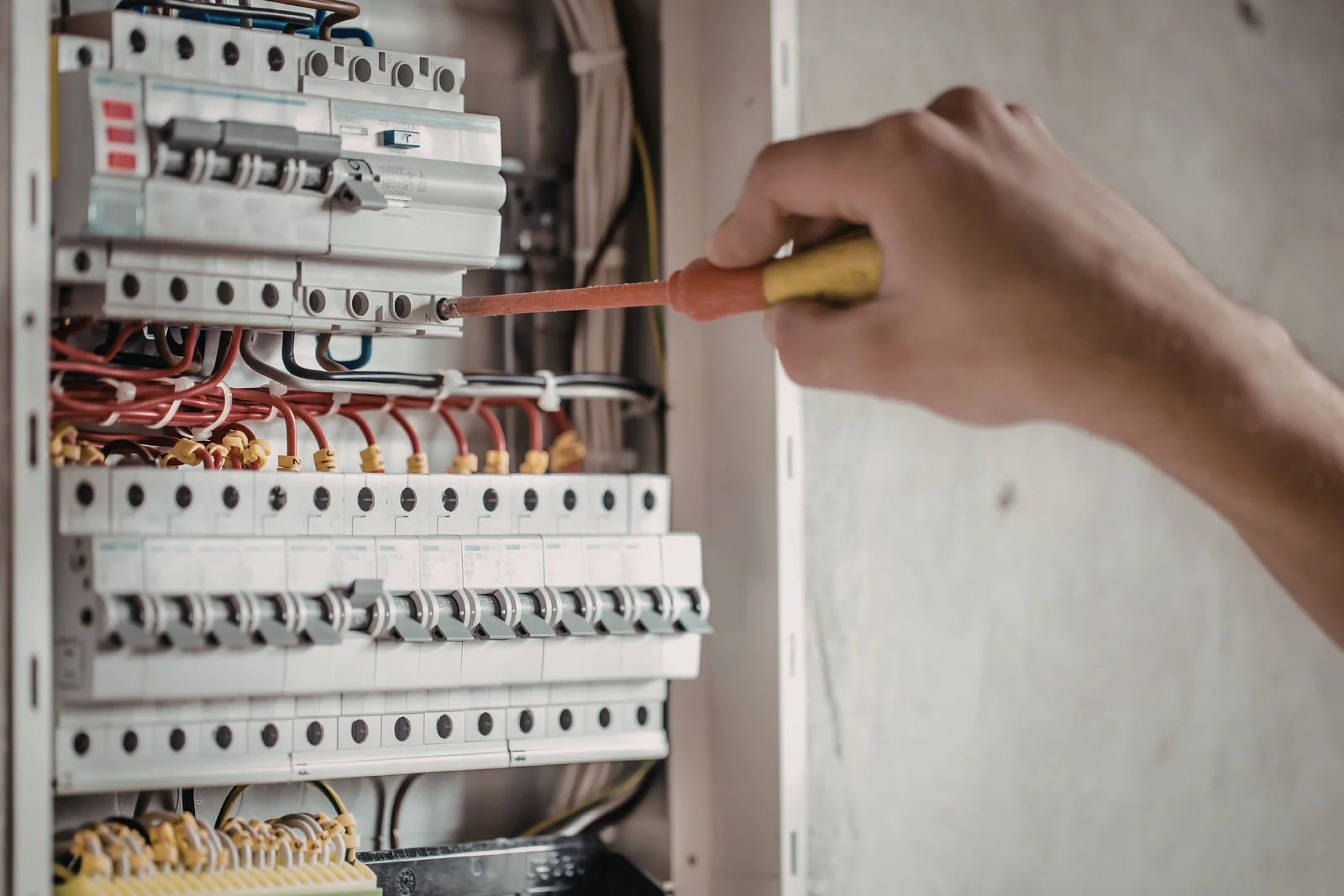
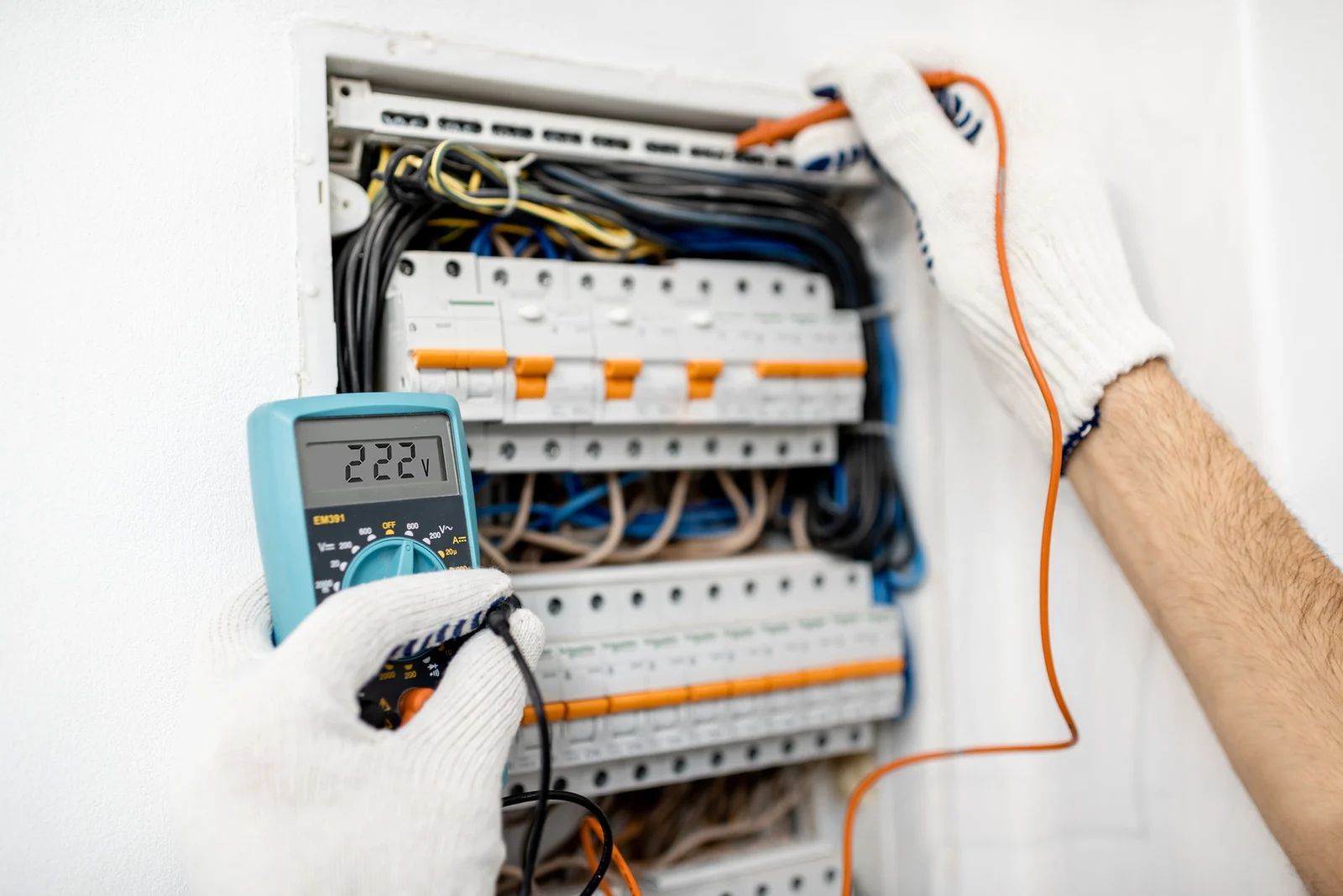
The panel is the starting point of every inspection. A licensed electrician examines the panel enclosure, the breaker condition, wire sizing relative to breaker ratings, the presence of double-tapped breakers, and whether the panel brand or model has a documented history of failure. In Wisconsin, older homes frequently contain Federal Pacific Stab-Lok panels or Zinsco equipment, both of which have been associated with breaker failure and fire risk. Identifying this early allows property owners to make informed decisions before those decisions become emergencies.
The inspector also checks whether the panel capacity matches the current electrical load of the building. A home that has added central air conditioning, an electric vehicle charger, or a finished basement without a panel upgrade may be running closer to its limits than the owner realizes.
Wiring Type and Condition
Wiring is assessed throughout accessible areas of the structure. The inspector identifies whether the home contains knob-and-tube wiring, aluminum branch circuit wiring, or modern copper wiring, since each carries different implications for safety and insurability. Knob-and-tube wiring, still present in many Wisconsin homes built before 1950, lacks a ground wire and is incompatible with modern three-prong devices and GFCI protection requirements.
Aluminum branch circuit wiring, common in homes built between roughly 1965 and 1973, expands and contracts at a different rate than copper, which can loosen connections at outlets, switches, and fixtures over time. Inspectors look for signs of overheating, improper connections, and missing CO/ALR-rated devices at termination points.
Grounding, Bonding, and Arc-Fault Protection
Grounding and bonding are two separate but related requirements that inspectors evaluate carefully.
Grounding
A properly grounded electrical system provides a safe path for fault current to travel back to the source, allowing overcurrent devices to trip rather than allowing dangerous voltage to persist in the system. Inspectors verify that the grounding electrode system is intact, that ground rods are properly installed, and that the grounding conductor connects correctly at the panel.
Bonding
Bonding ensures that metal components throughout the structure, including water pipes, gas piping, and structural steel, remain at the same electrical potential. Without proper bonding, a fault can energize metal surfaces that a person might contact. This is a code requirement that is frequently incomplete in older construction and is commonly flagged during inspections.
AFCI and GFCI Requirements
Wisconsin follows the National Electrical Code, with amendments adopted through the state building code. Arc-fault circuit interrupter protection is now required for most bedroom, living room, and hallway circuits in newer construction and in circuits that are upgraded or replaced. Ground-fault circuit interrupter protection is required in kitchens, bathrooms, garages, crawl spaces, unfinished basements, and outdoor areas.
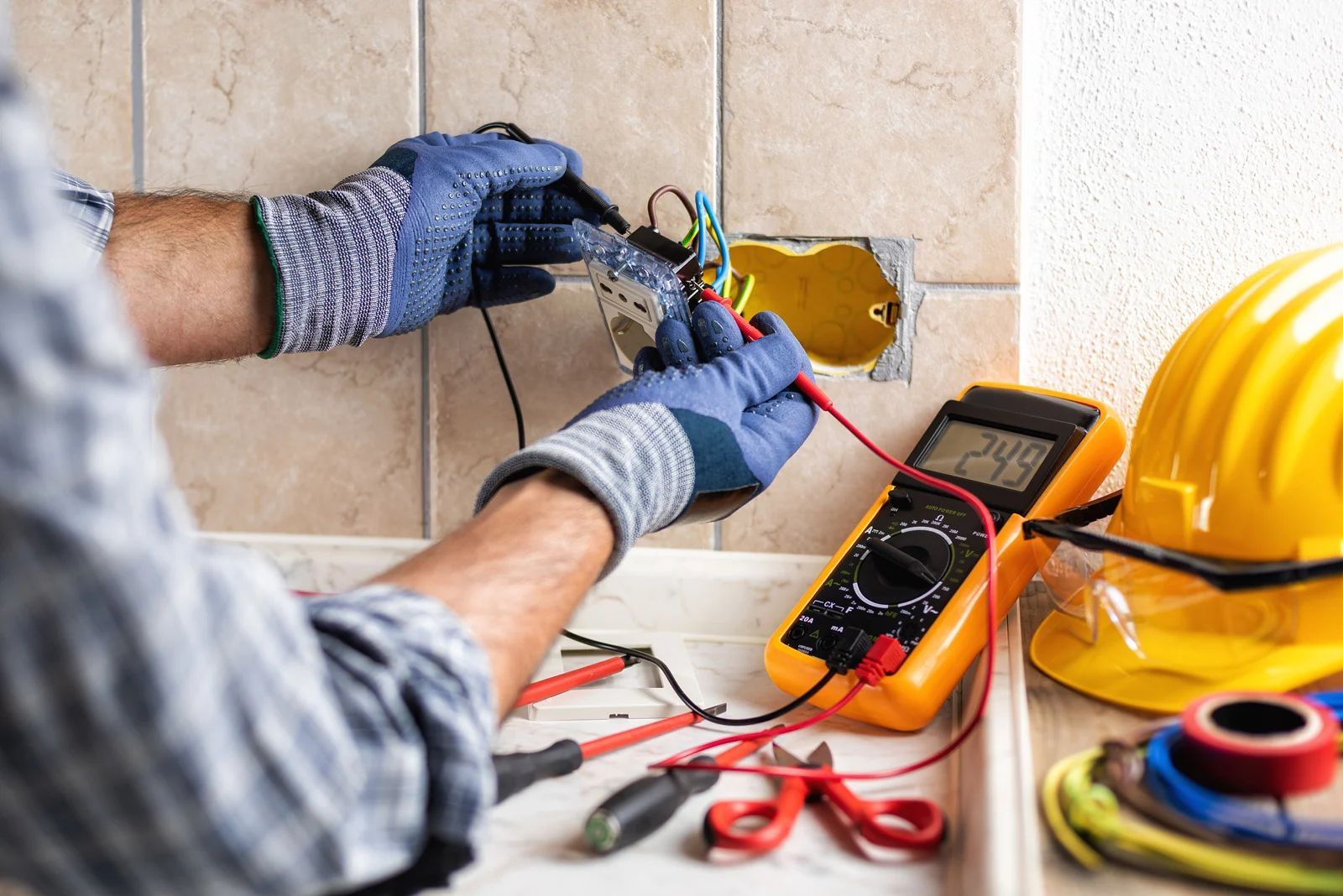
During an inspection, the electrician tests GFCI devices for proper function and identifies circuits that lack required protection based on the applicable code cycle for the structure.
| Area | Required Protection Type |
|---|---|
| Bathrooms | GFCI |
| Kitchens (countertop circuits) | GFCI |
| Garages | GFCI |
| Outdoor outlets | GFCI |
| Bedrooms (new/upgraded circuits) | AFCI |
| Living rooms (new/upgraded circuits) | AFCI |
| Crawl spaces and unfinished basements | GFCI |
Smoke Detectors, Carbon Monoxide Alarms, and Egress Lighting
Inspections extend beyond the wiring itself. Wisconsin statute and local codes set requirements for smoke detector placement, carbon monoxide alarm installation, and, in some commercial and multi-family settings, emergency egress lighting.
Smoke detectors must be present on every level of the home, inside each sleeping room, and outside each sleeping area. Carbon monoxide alarms are required in any dwelling that contains a fuel-burning appliance or an attached garage. The inspector verifies that these devices are present, functional, and hardwired with battery backup where code requires it.
Many older Wisconsin homes have battery-only smoke detectors that were acceptable at the time of installation but no longer meet current requirements when a bedroom is added or a renovation triggers a re-inspection.
The Inspection Report and What Happens After
What the Report Includes
At the close of an inspection, the licensed electrician produces a written report documenting findings by location and severity. A well-structured report distinguishes between code violations that require correction, safety concerns that carry immediate risk, and advisory items that represent aging components or practices no longer considered current.
Property owners often receive findings categorized as:
- Immediate safety hazards (exposed conductors, missing panel covers, overloaded circuits)
- Code violations requiring correction (missing GFCI protection, improper grounding)
- Advisory observations (aging panels approaching end of service life, outdated wiring types)
Prioritizing Repairs
Not every finding requires immediate action, and a good inspector is direct about which items are urgent and which can be addressed over a planned timeline. Immediate safety hazards warrant prompt attention. Code violations often need correction before a permit can close or a property can transfer. Advisory items inform planning and budgeting for future work.
Property owners who are buying or selling benefit significantly from understanding this hierarchy before negotiations begin, since a list of findings without context can read as more alarming than the actual condition warrants.
Experienced Electricians Who Know Wisconsin Properties Inside Out
A professional electrical inspection is not a formality. It is a structured process that reveals the actual condition of a building's electrical system, identifies what meets current code, and flags what presents risk. For property owners in Wisconsin, where older homes, seasonal use patterns, and climate conditions all contribute to accelerated wear, inspections provide information that cannot be gathered any other way. Understanding what the process covers, what the report means, and how to prioritize findings turns an inspection from an abstract obligation into a practical tool for maintaining safety and making informed decisions about property.
Almekinder Electrical Contractor
has served the Minocqua, Wisconsin area for over 40
years, building a reputation grounded in licensed work, code-compliant installations, and inspections that give property owners clear, accurate information. We work across residential and commercial properties throughout the region, and we understand the specific demands that Wisconsin's climate, building age, and seasonal property use place on electrical systems. When we conduct an inspection, we document findings honestly, explain what each item means in practical terms, and help property owners understand what needs attention and when. Our work follows current National Electrical Code requirements as adopted in Wisconsin, and we carry the experience to recognize issues that less familiar inspectors might overlook. Whether a property has not had a licensed review in years or is preparing for renovation, sale, or occupancy, we provide thorough inspections backed by the knowledge that comes from decades of work in this region.
Frequently Asked Questions
1. How long does a professional electrical inspection take in Wisconsin?
Most residential inspections take two to four hours depending on the size of the structure, the age of the wiring, and how accessible key components like the panel, attic, and crawl space are during the visit.
2. Is an electrical inspection required when buying a home in Wisconsin?
It is not legally required in every transaction, but lenders, insurers, and buyers frequently request one because it reveals conditions that a general home inspection does not cover in the level of detail a licensed electrician provides.
3. What is the difference between an electrical inspection and a code compliance inspection?
A code compliance inspection verifies that permitted work meets the applicable code at the time of installation. A professional electrical inspection evaluates the full system, including older components that predate current code, and identifies safety concerns regardless of when the work was originally completed.
4. Can an electrical inspection be done on a seasonal or vacant property in Wisconsin?
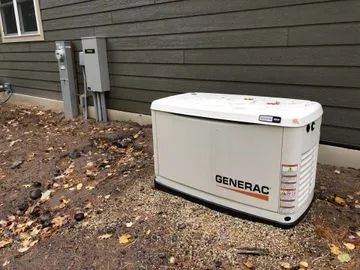
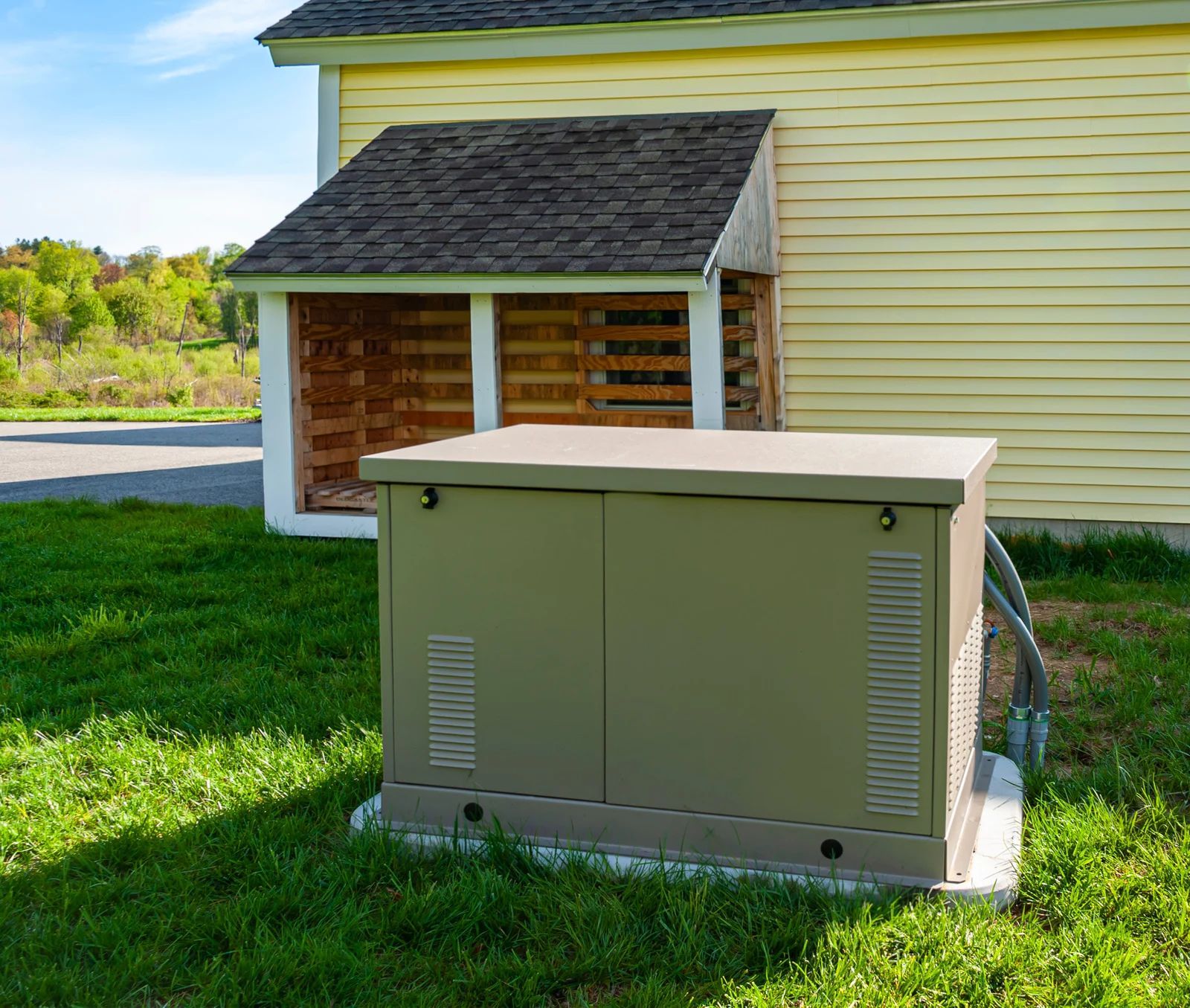
Yes, and inspections on seasonal properties are particularly valuable. Systems that sit unused for extended periods can develop connection issues, and properties with portable generators need review to confirm safe transfer switch installations are in place.
5. What should I do to prepare for an electrical inspection?
Clear access to the electrical panel, attic hatch, crawl space entry, and any subpanels. Make sure all areas of the building are accessible. If the property has outbuildings with electrical service, include those in the scope when scheduling.