Electrical Safety Tips for DIY Homeowners in the Northwoods
The Northwoods region presents a unique set of challenges for homeowners who take on do-it-yourself electrical projects. Harsh winters, moisture-heavy summers, and aging cabin infrastructure all combine to increase the risk of electrical hazards. While DIY electrical work may seem cost-effective and convenient, even small mistakes can lead to serious safety issues, including fire risks, power failures, or long-term damage to home systems. Understanding electrical safety is not just a recommendation; it is a critical responsibility for anyone working with wiring, circuits, or household electrical components in this environment. Seasonal weather extremes can also place unexpected stress on insulation and connections, making hidden issues more likely to surface during peak usage. Remote locations further complicate emergency response, increasing the importance of prevention. For homeowners, preparation and awareness are essential before starting any electrical task.
In many Northwoods homes, electrical systems were installed decades ago and may not meet modern safety standards. Combined with high humidity, snow load stress, and fluctuating temperatures, these systems require careful handling and informed decision-making. Homeowners must approach every electrical task with caution, awareness, and respect for building codes and safety protocols. This guide provides essential electrical safety tips designed specifically for DIY homeowners working in Northwoods conditions, helping reduce risks while promoting safer, more efficient home maintenance practices that protect both property and lives. Aging wiring and outdated breaker panels are common in older cabins, increasing the likelihood of overloads or faults. Regular inspection awareness becomes especially important in seasonal properties that remain unoccupied for long periods.
Understanding Electrical Risks in Northwoods Homes
Aging Electrical Systems and Seasonal Stress
Aging electrical systems in Northwoods homes often struggle with modern energy demands. Older wiring, undersized panels, and outdated grounding create safety concerns. Cold temperatures make insulation brittle, while seasonal expansion stresses connections. Together, these conditions increase the risk of faults, requiring careful awareness during any DIY electrical work tasks.
Moisture, Humidity, and Weather Exposure
The Northwoods climate brings persistent moisture challenges for residential electrical systems. Snowmelt, rain, and humidity often seep into basements, crawl spaces, and outdoor fixtures. This exposure increases corrosion risk and short circuit potential, especially in unprotected wiring, making proper sealing and weather-rated components essential for long-term safety and reliability.
Overloaded Circuits in Seasonal Homes
Seasonal cabins and vacation homes often rely on limited electrical systems not designed for modern usage. High-demand appliances like heaters and kitchen devices can quickly overload circuits. DIY homeowners may underestimate capacity, leading to breaker trips or overheating. Understanding load distribution is essential before adding or modifying electrical components.
Essential DIY Electrical Safety Practices
Turning Off Power Before Any Work
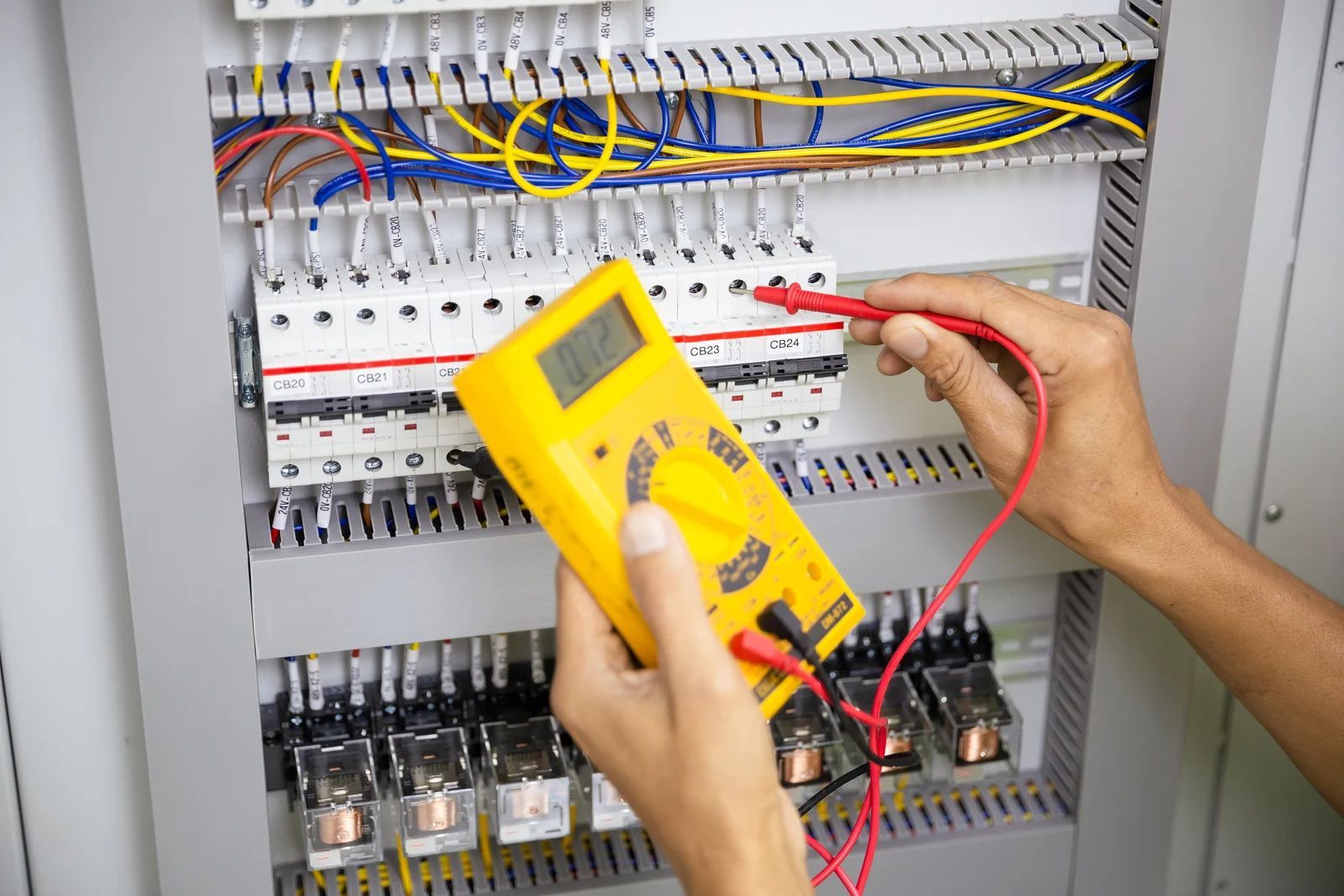
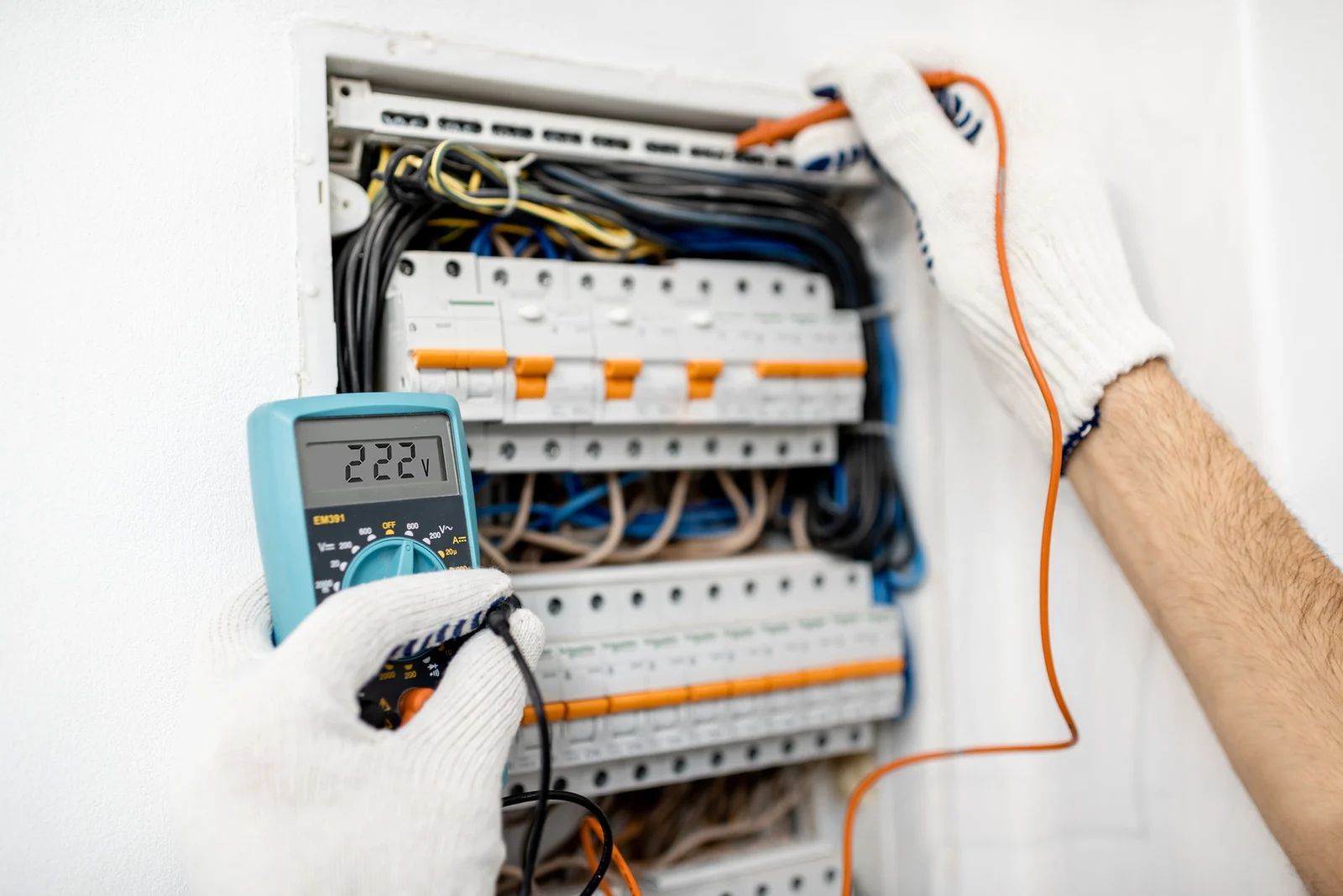
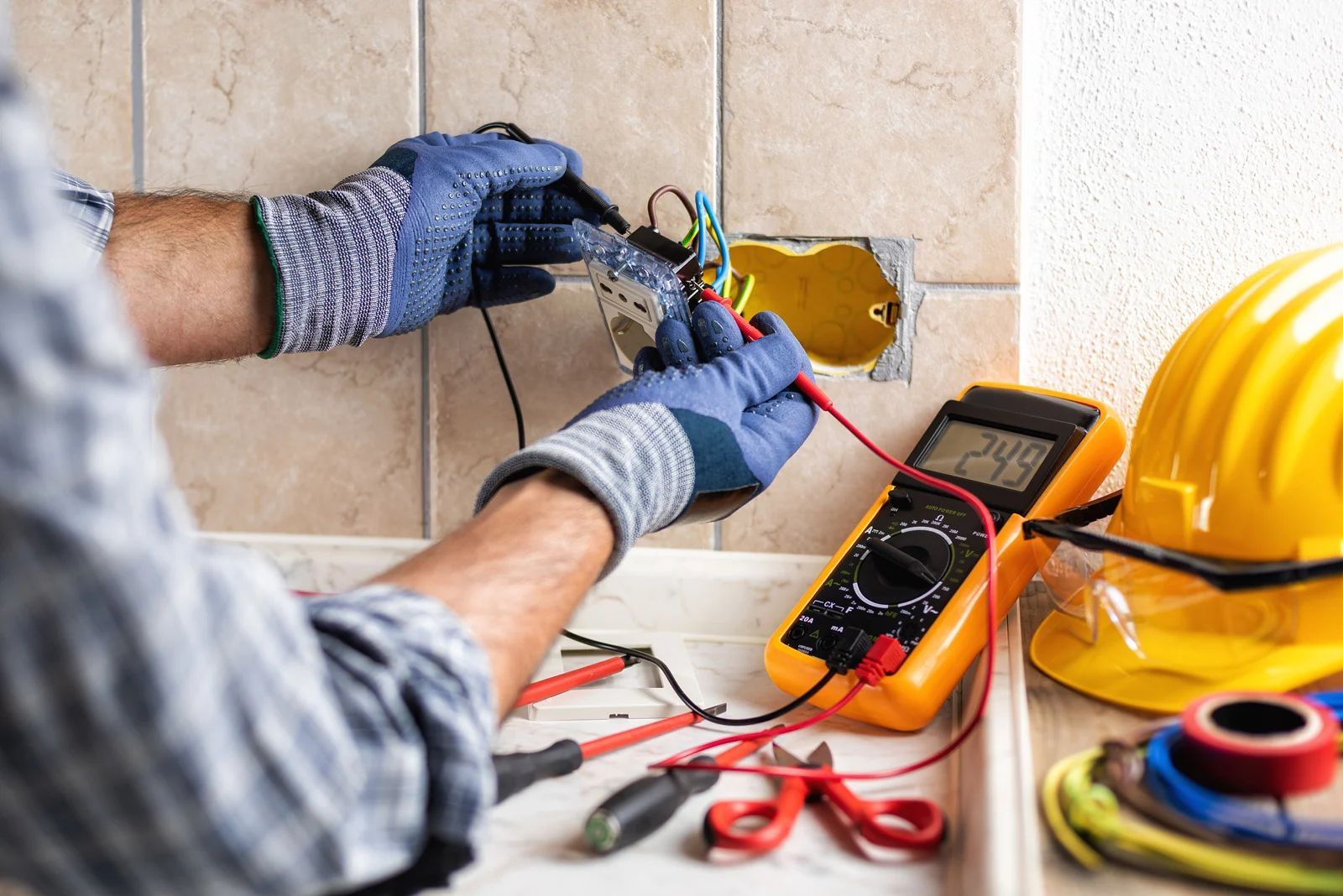
Before beginning any electrical task, shutting off power at the breaker panel is essential. Always verify with a voltage tester to ensure no current is present in the circuit. This precaution significantly reduces the risk of electric shock and accidental contact with live wiring during DIY home improvement work.
Using Proper Insulated Tools and Gear
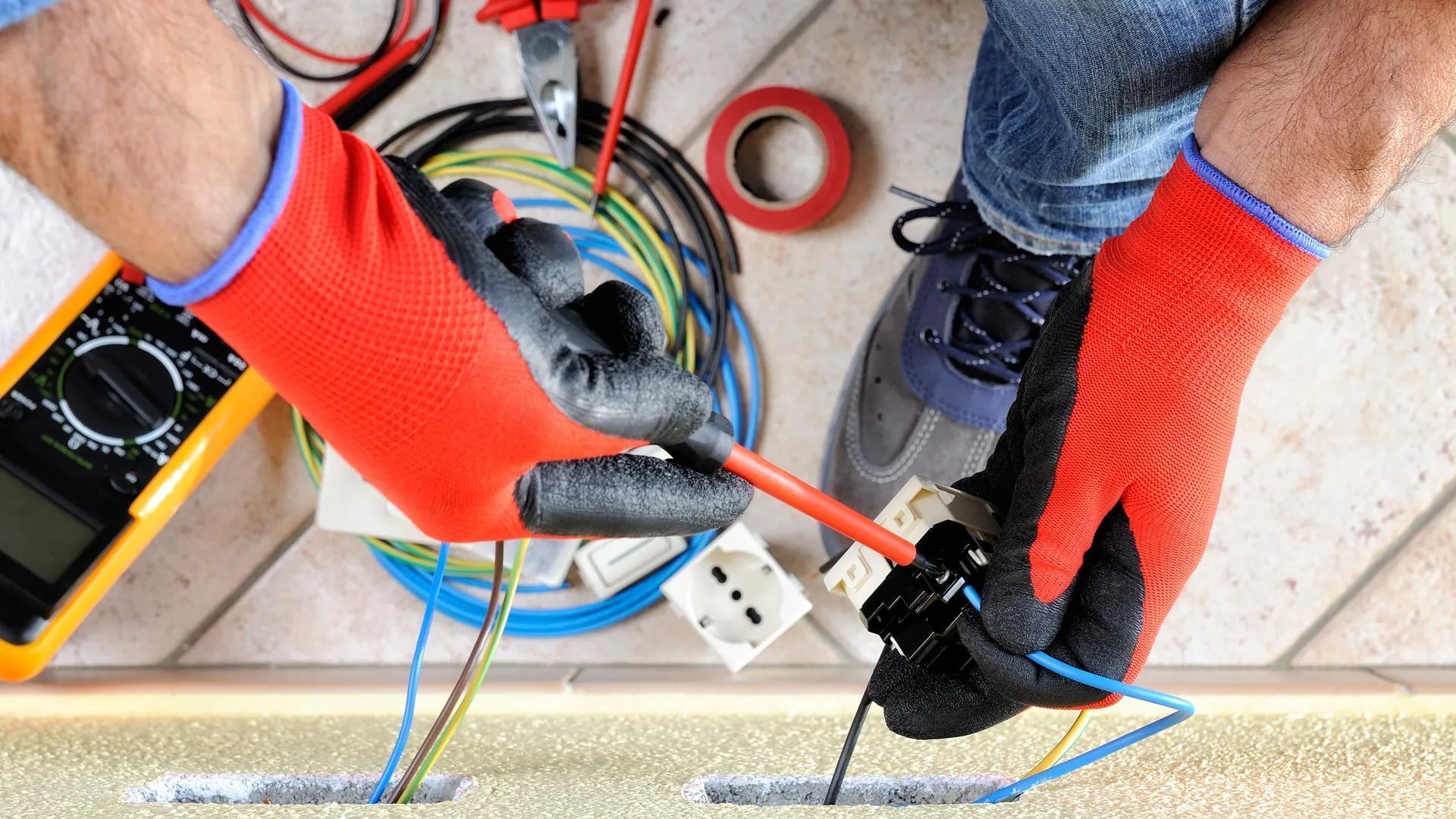
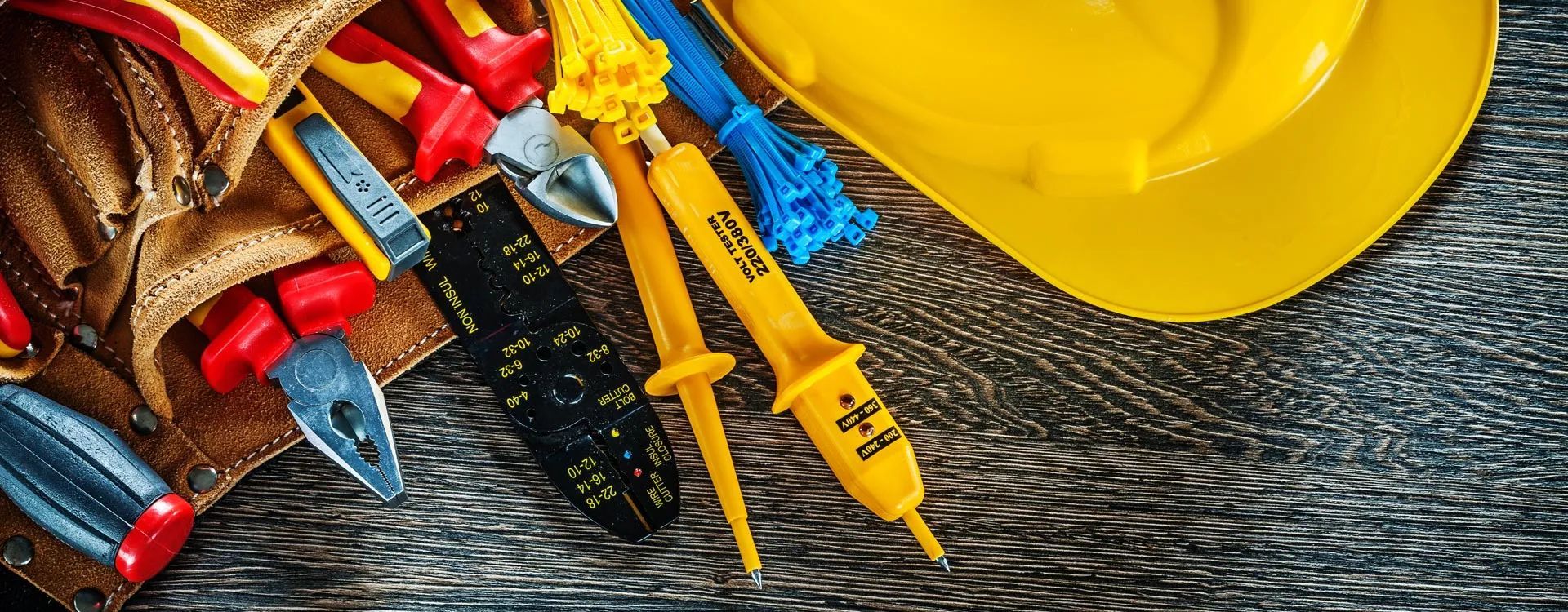
Working with electrical systems requires high-quality insulated tools designed to reduce conductivity risk. Rubber-soled footwear, insulated gloves, and protective eyewear provide additional safety layers. Even minor contact with energized wires can be dangerous, making proper equipment essential for reducing injury risk during any DIY electrical maintenance or installation task.
Following Wiring Standards and Color Codes
Electrical wiring follows standardized color codes that define function and voltage levels. Mixing connections or ignoring these standards can create dangerous faults and system instability. Careful attention to grounding, neutral, and load wires ensures safe operation, reduces the risk of fire, and maintains proper electrical system performance in residential settings.
Avoiding Work in Wet or Damp Conditions
Electrical work should never be performed in wet or damp environments. Moist floors, basements, or outdoor rain exposure significantly increase conductivity risks. Ensuring dry conditions before beginning any project is critical for safety. Moisture combined with electricity creates severe hazards, requiring proper timing and environmental awareness for DIY tasks.
Smart Load Management and Circuit Awareness
Understanding Circuit Capacity Limits
Every home circuit has a defined amperage limit that must not be exceeded. Overloading circuits leads to overheating, tripped breakers, and potential fire hazards. DIY homeowners should understand load distribution across outlets and appliances, ensuring high-demand devices are not concentrated on a single circuit beyond safe operating capacity limits.
Identifying Warning Signs of Overload
Electrical overload often presents early warning signs that should never be ignored. Flickering lights, warm outlets, and frequent breaker trips indicate excessive demand on circuits. DIY homeowners must recognize these symptoms quickly and respond by redistributing loads or seeking professional evaluation to prevent further electrical system damage or hazards.
Upgrading Panels and Outdated Wiring Safely
Older electrical panels may not support modern energy demands found in today's homes. While upgrades may be necessary, DIY homeowners should avoid modifying main panels due to high risk. Understanding system limitations and consulting professionals ensures safe upgrades, compliance with standards, and the prevention of electrical hazards or failure risks.
Using Surge Protection Strategically
Power surges are common in rural and wooded regions due to weather-related disruptions. Installing surge protectors for sensitive appliances helps prevent damage and extends equipment lifespan. Whole-home surge protection adds an extra layer of defense against unpredictable voltage spikes that can occur during storms or electrical grid fluctuation events.
Outdoor Electrical Safety in Rural Settings
Weatherproofing Outdoor Installations
Outdoor electrical installations require weather-rated components to withstand rain, snow, and humidity. Proper covers, sealed enclosures, and waterproof connectors prevent moisture intrusion. Without these protections, outlets and fixtures can fail or short circuit, increasing safety risks. Ensuring proper sealing is essential for long-term durability and electrical system reliability performance.
Safe Use of Extension Cords
Extension cords are often misused in seasonal properties, despite being designed for temporary applications only. Running permanent loads through cords increases fire risk and electrical strain. Outdoor-rated cords should be used when necessary, kept away from water sources, and never overloaded to maintain safe operation and prevent hazards effectively.
Managing Generator Connections Safely
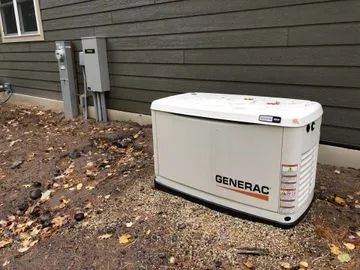
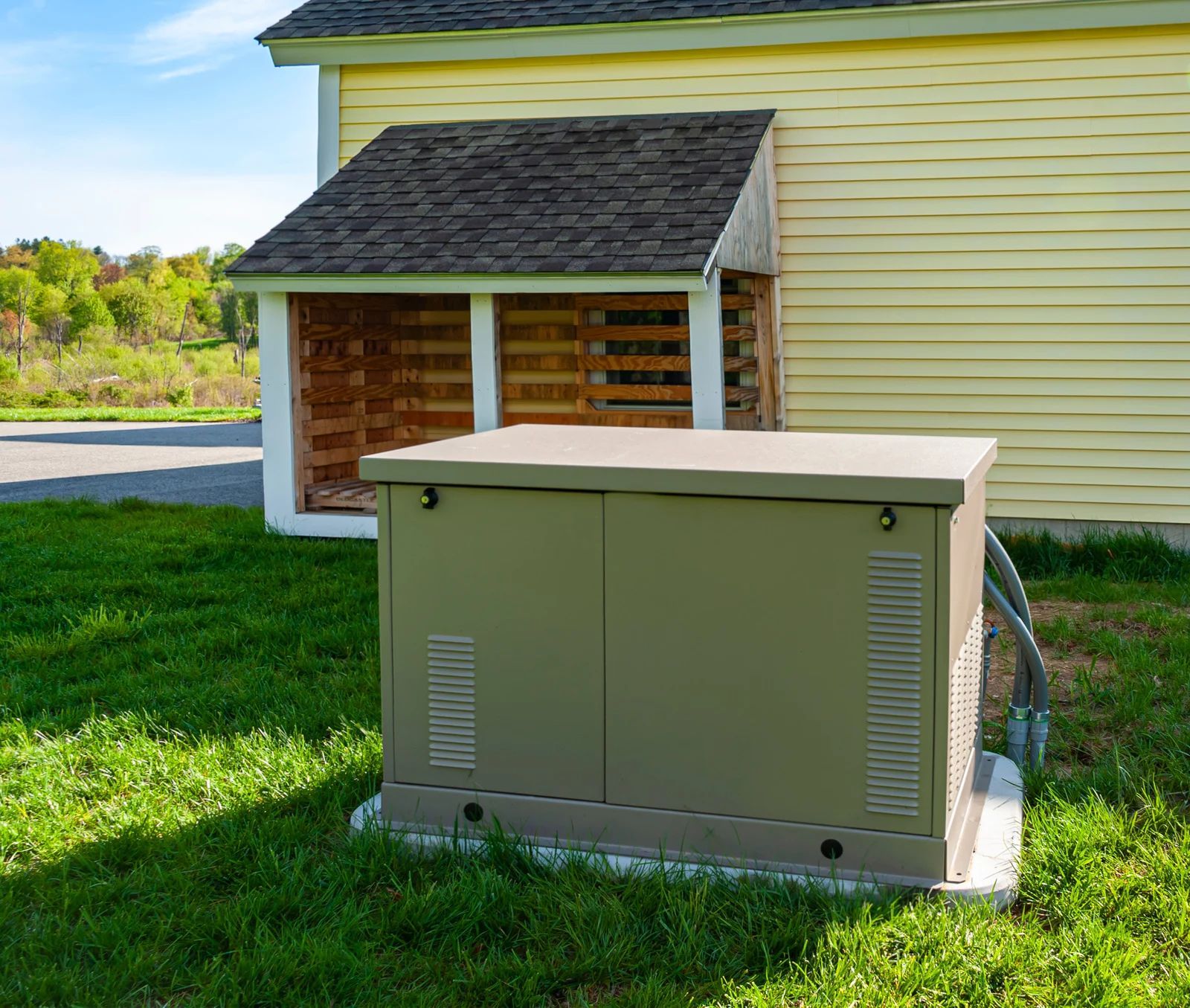
Backup generators are essential in remote areas, but must be connected properly to avoid dangerous backfeeding into utility lines. Improper connections can create life-threatening hazards for utility workers. Transfer switches are required to isolate circuits safely. DIY electrical work involving generators should always prioritize professional installation and code compliance.
Protecting Underground and Exterior Wiring
Buried electrical wiring must be installed at the proper depth and protected with conduit to prevent damage. Digging or landscaping without mapping underground lines can result in accidental cuts or outages. Awareness of utility layouts is essential before any excavation work to ensure safety and prevent costly electrical disruption issues.
When DIY Stops and Professional Support Becomes Necessary
Recognizing High-Risk Electrical Tasks
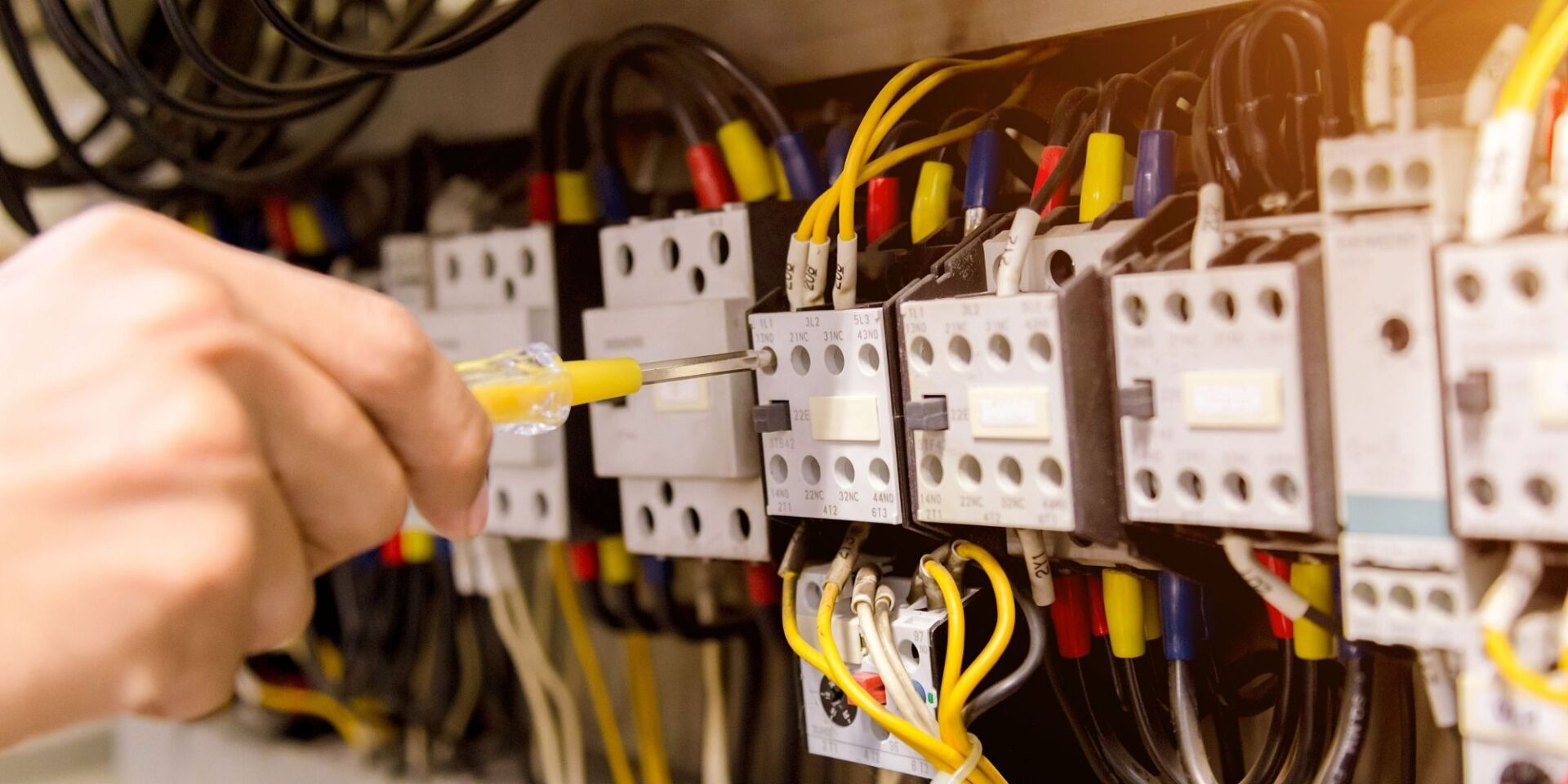
Certain electrical tasks, such as panel work, main line adjustments, and new circuit installations, involve high risk and require advanced expertise. Attempting these without proper training can lead to severe injury or system damage. DIY homeowners should avoid these tasks and rely on qualified professionals for safe execution always.
Importance of Code Compliance and Inspections
Electrical systems must comply with local safety codes to ensure long-term reliability and safety. DIY work that bypasses inspections can create hidden hazards and legal issues. Professional evaluation ensures installations meet required standards, reducing risks and improving overall system performance in residential properties exposed to seasonal environmental stress conditions.
Preventing Long-Term Structural Damage
Incorrect wiring or poor electrical connections can lead to heat buildup inside walls over time. This increases the risk of fire and structural deterioration. Early identification and correction of electrical faults help prevent costly damage, ensuring safe and reliable operation of home systems in demanding seasonal environments consistently overall.
Maintaining System Reliability in Harsh Conditions
Northwoods homes experience extreme seasonal changes that place continuous stress on electrical systems. Regular inspections help ensure wiring, panels, and connections remain stable despite temperature fluctuations. Preventive maintenance reduces unexpected failures and improves long-term reliability, keeping homes safe and functional throughout harsh environmental conditions and varying seasonal demands effectively.
Professional Electrical Safety Standards for Every Local Home
Electrical safety in DIY home projects requires more than basic awareness; it demands consistent discipline, careful planning, and respect for system limitations. In the Northwoods, where environmental conditions add extra pressure to residential electrical systems, safe practices become even more essential. Understanding risks, managing circuit loads, using proper tools, and recognizing when to stop DIY efforts all contribute to safer homes and more reliable electrical performance, especially during prolonged outages and seasonal equipment strain conditions.
Every homeowner benefits from prioritizing prevention over repair. Small decisions, such as checking power before work or avoiding moisture exposure, significantly reduce hazards. Safe electrical practices not only protect property but also preserve long-term system efficiency and stability in challenging climates, which ultimately ensures safer and more dependable home operation.
Almekinder Electrical Contractor, based in Minocqua, Wisconsin, brings over 40
years of hands-on experience in residential and commercial electrical systems across the Northwoods region. With a strong focus on safety, precision, and reliability, our work is guided by deep industry knowledge and a commitment to high standards. We continue supporting homeowners with trusted solutions designed for long-term electrical safety and performance, serving Northwoods communities with trusted workmanship and reliability standards.