How Often Should a Generac Standby Generator Be Serviced in Wisconsin?
Quick Answer: A Generac standby generator in Wisconsin should get a professional service visit once a year, ideally in early fall before the first hard freeze. The very first oil and filter change belongs at about 25 hours of run time on a new unit. After that, plan on an annual oil and filter change, with a second one in the same year if the generator runs about 150 hours through long outages. The battery usually needs replacing every two to three years, and the spark plugs, air filter, fuel connections, and transfer switch should be inspected at each visit. The weekly self test keeps the engine moving, but it does not replace that annual service.
It is a quiet Tuesday in October, and you glance at the generator beside the garage. It has been sitting there since the install, humming through its short weekly exercise cycle every week, never once asked to do real work. The panel light is green. Everything looks fine. Then a November ice storm drops a line across the county road, the power drops, and you wait for the generator to catch. Sometimes it does, and sometimes a weak battery or a tired set of plugs turns out to be the one thing standing between you and a warm house.
Owners who already have a standby generator usually ask the same question sooner or later: how often does this thing actually need service? The honest answer is simpler than most people expect, but Northern Wisconsin adds a few reasons not to stretch the schedule.
The Short Version of a Generac Service Schedule
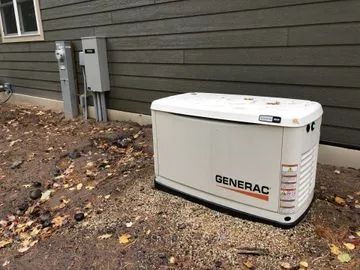
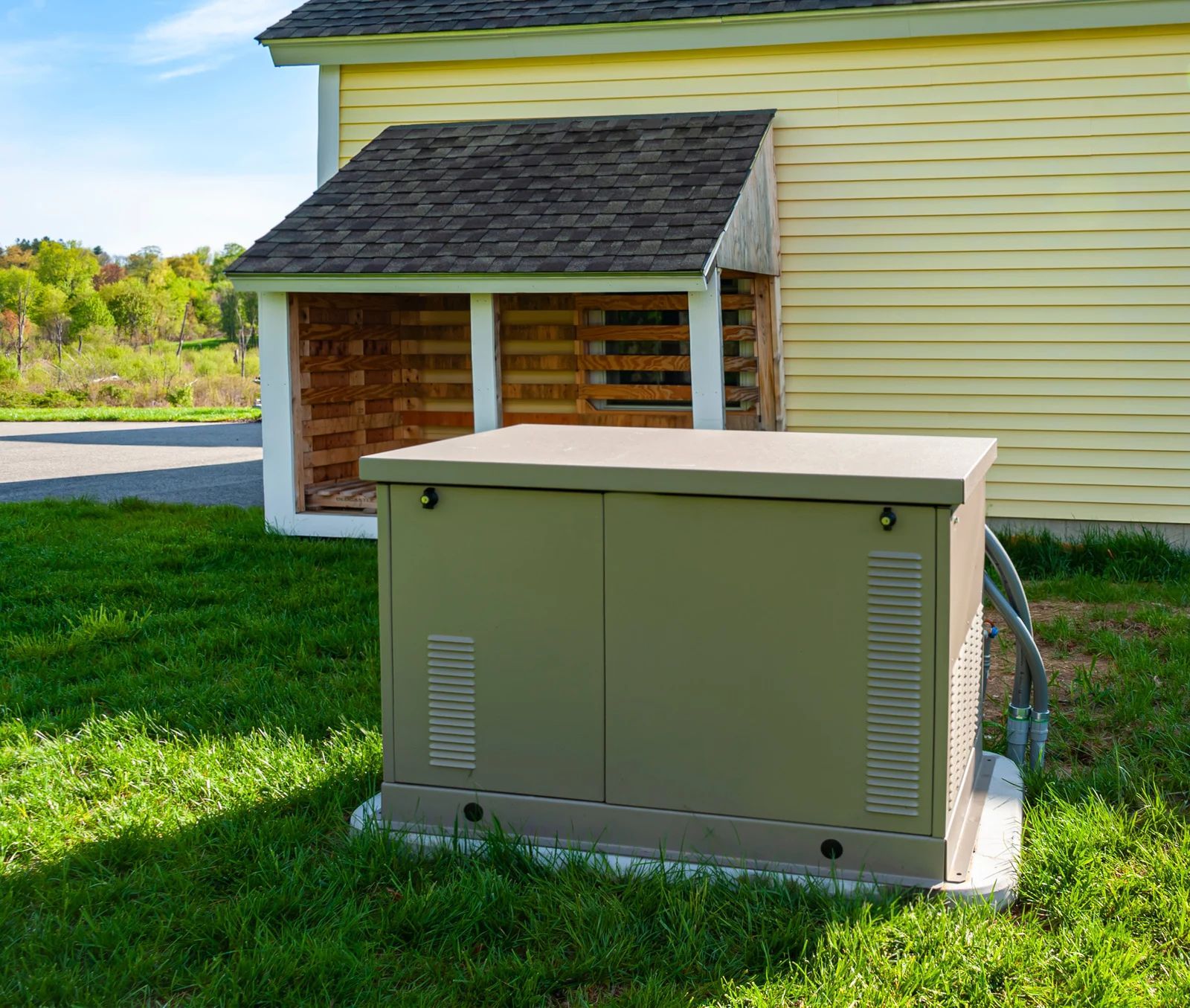
Generac builds its home standby units to be serviced on a regular rhythm, and the baseline is the same whether you own an 11kW air cooled unit or a larger liquid cooled model. The broad pattern looks like this.
The first oil and filter change comes early. A new engine goes through a break in period, and the first change is typically due at about 25 hours of run time. For most homes that means the first service lands after the first real outage or a long stretch of weekly test cycles, whichever comes first.
After that, the oil and filter change happens once a year. If the generator carries the house through a lot of running time, roughly 150 hours in a single year, a second change makes sense. That sounds like a lot until you remember that a three day ice storm outage alone puts 72 hours on the engine.
Spark plugs get inspected every year and cleaned or replaced as needed. The air filter and fuel system connections get a look at the same time. The battery is tested every year and replaced every two to three years, before it fails rather than after.
If your generator runs on the schedule above, you are doing what the manufacturer expects. If it has been two or three winters since anyone touched it, you are overdue, even if it has started every week without a complaint.
Why the Weekly Self Test Does Not Count as Service
Most Generac standby units run an automatic exercise cycle once a week. The engine starts, runs for a short stretch, and shuts down. This is genuinely useful. It lubricates the engine, shows that the controller still works, and gives the battery a little top up charge.
What it does not do is replace a technician. A weekly run is a no load or light load test in most setups. It cannot tell you whether the oil has broken down, whether the spark plugs have worn, whether a fuel line fitting has started to weep, or whether the transfer switch contacts are clean. It also cannot tell you how the generator behaves when the whole house load lands on it at once.
Here is the part that catches people off guard. A generator can pass its weekly exercise and still fail when the house actually needs it. A battery can have just enough charge to turn the engine over on a mild October morning and then fall short at ten below zero. A short exercise run is easy. A sustained outage in January is the real test.
Tip: Take a minute each month to look at the generator's display or status light after the weekly cycle. A fault code, a flashing indicator, or a skipped exercise run is the earliest warning you will get, and it is worth a service call before the storm, not after.
What Actually Happens During a Professional Service Visit
A proper annual visit is not just an oil change. A technician who knows Generac equipment works through the whole system, and the list is longer than most owners realize.
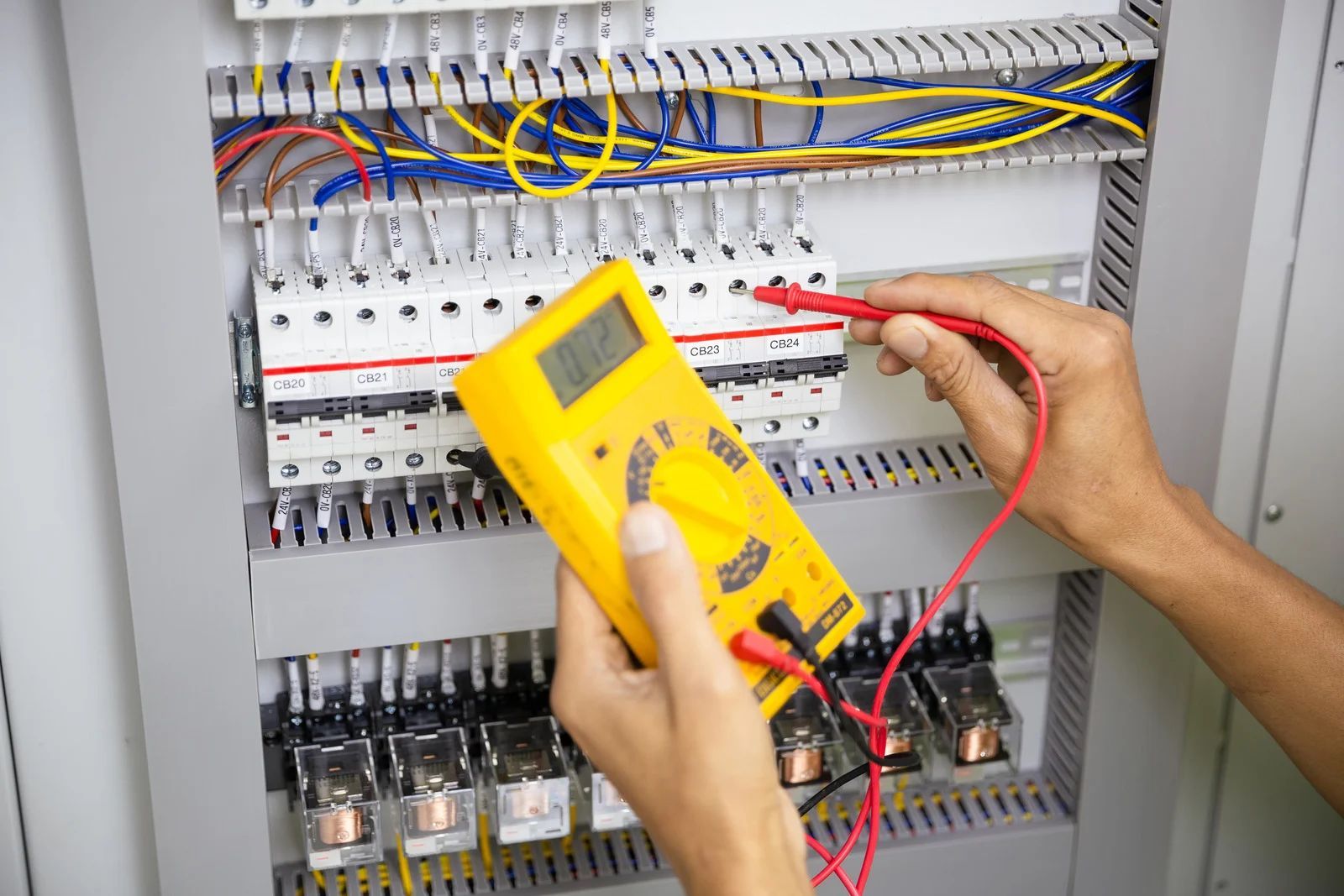
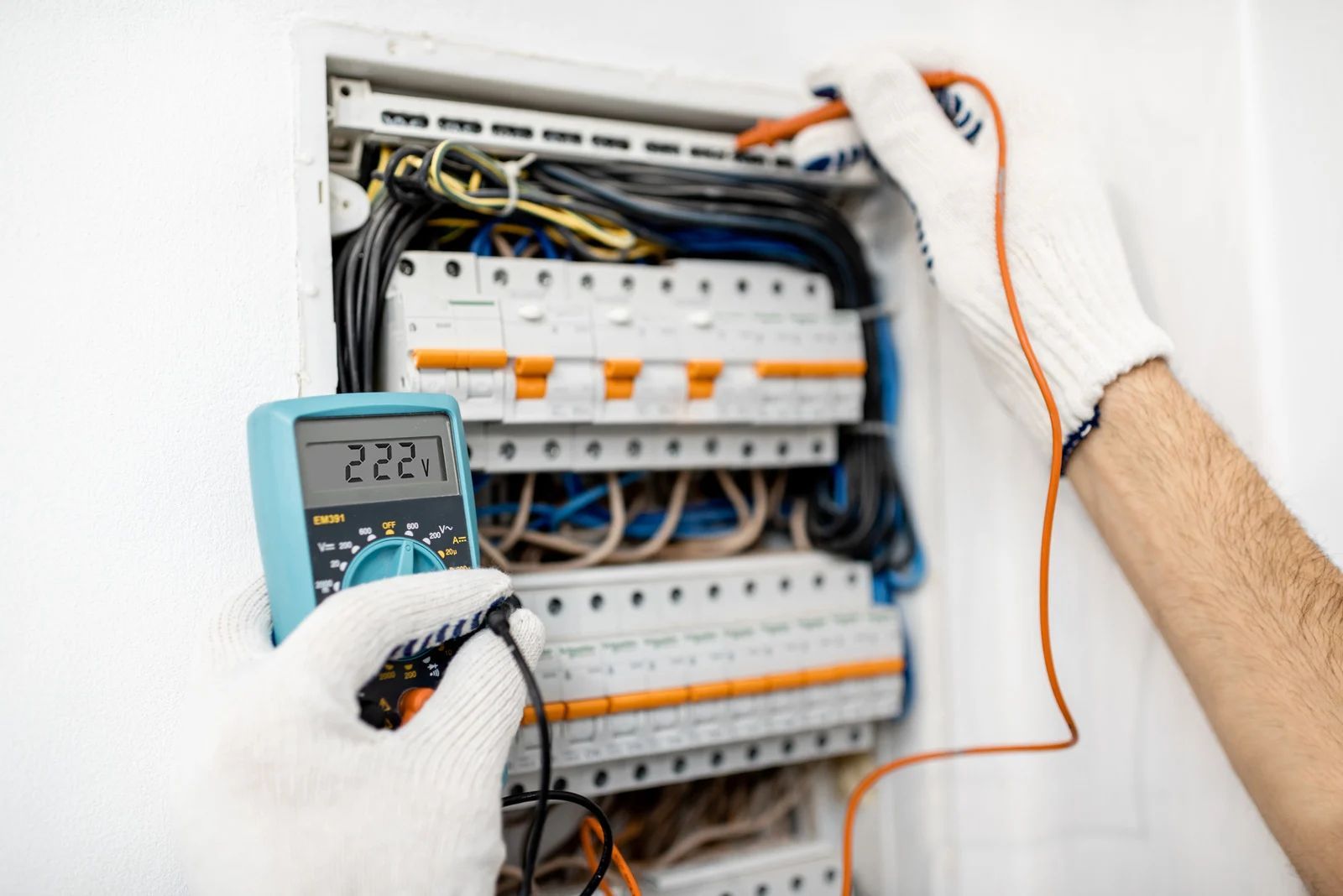
The oil and filter are changed, and the oil level is checked against the manufacturer's specification. The air filter is inspected and replaced when it is dirty. The spark plugs are pulled, checked for wear, and gapped or swapped. The battery is load tested, not just checked with a meter, and the terminals are cleaned and tightened.
Beyond the engine, the technician looks at the parts people rarely think about. The enclosure is checked for rodent nests, wasp nests, and debris around the intake and exhaust. The fuel connections are checked for leaks, and the regulator is looked over on propane or natural gas setups. The controller settings, exercise schedule, and any stored fault history are reviewed.
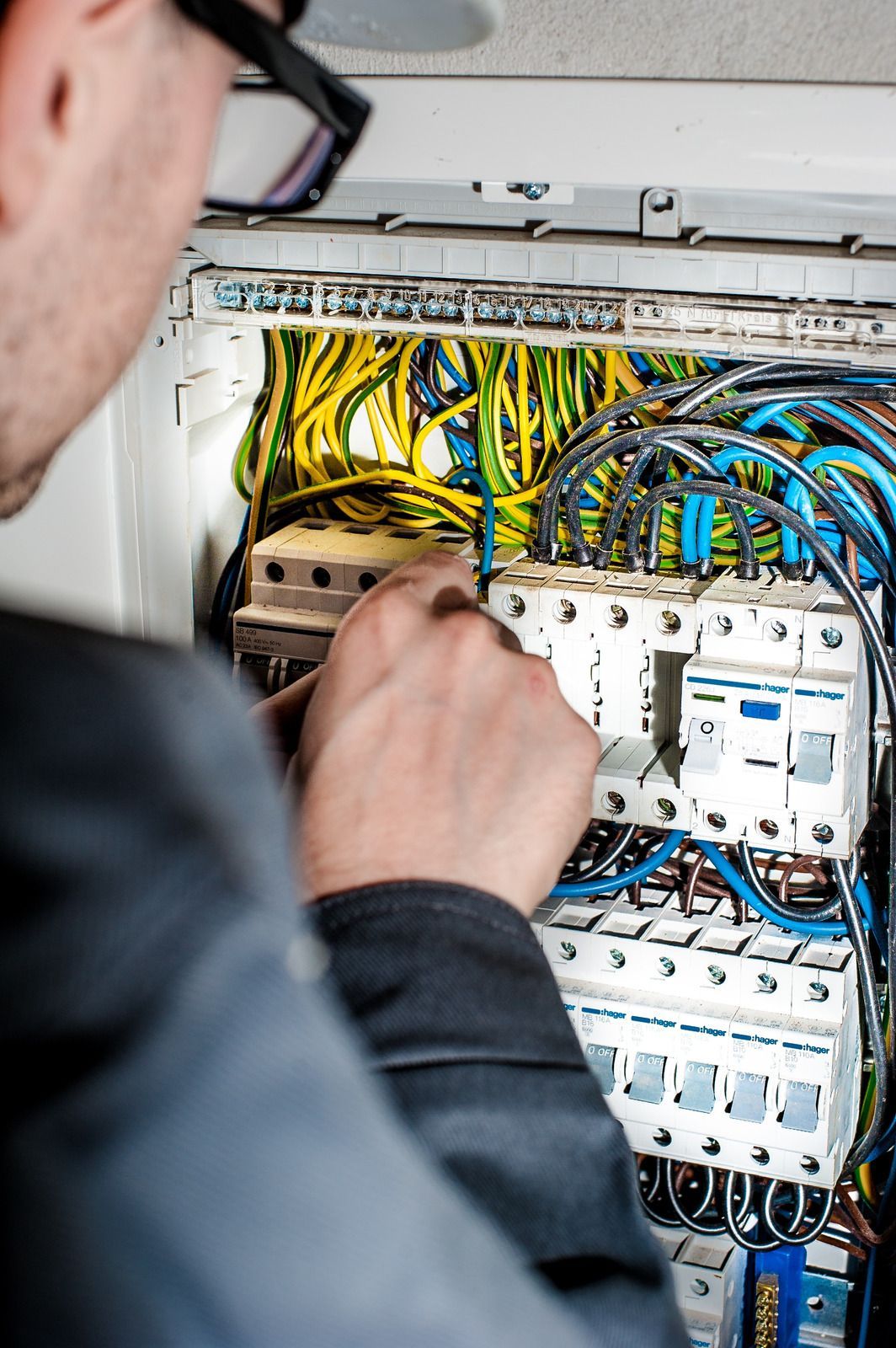
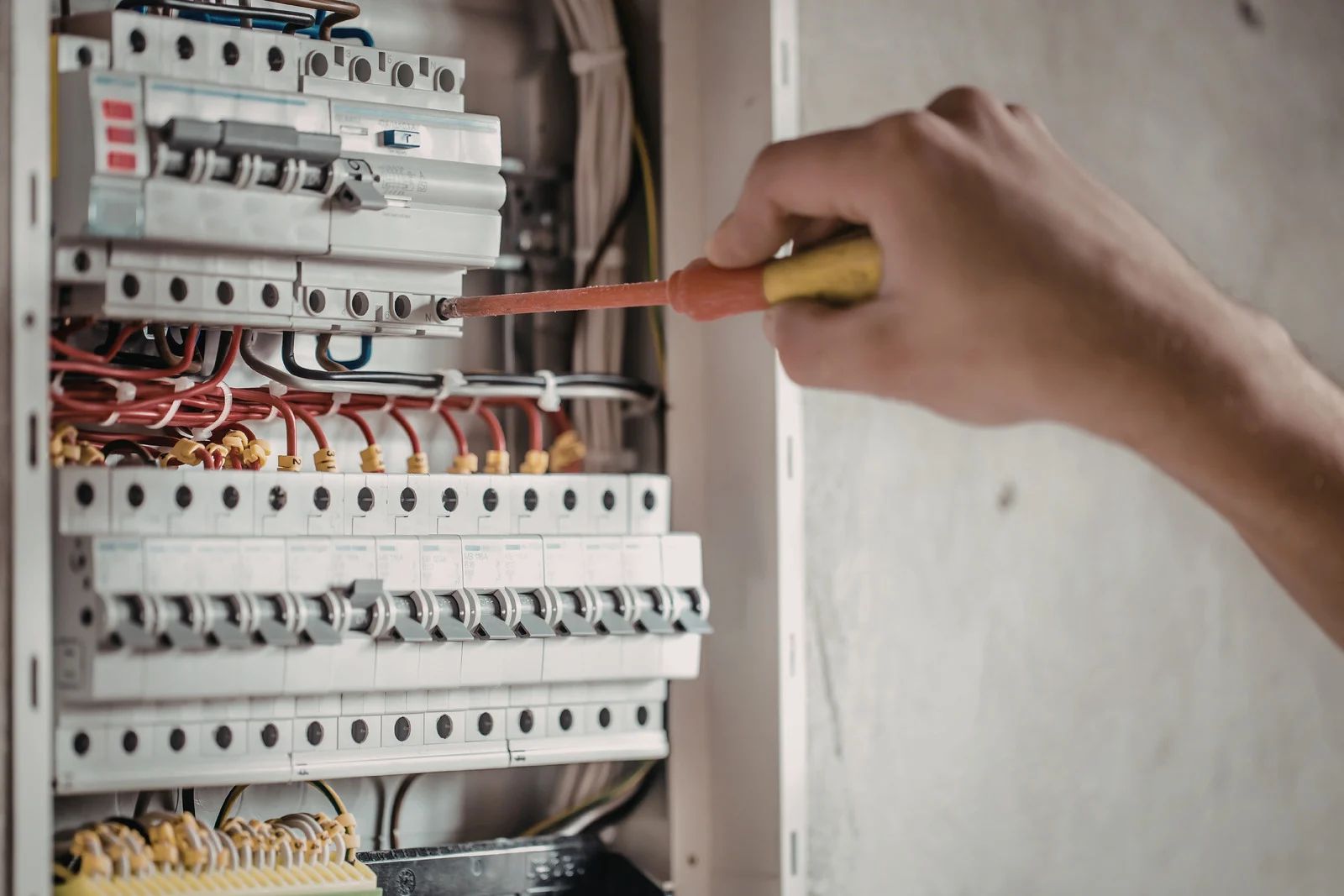
The transfer switch matters just as much as the engine. This is the device that senses the outage and moves your home's circuits onto generator power. Its contacts, connections, and operation are checked so that the handoff happens cleanly and quickly when the grid drops.
Finally, a good visit includes a run under load. Watching the generator carry real circuits, with voltage and frequency holding steady, is the closest thing to a rehearsal for the next outage.
How Wisconsin Winters Change the Timing
Service intervals on paper are written for an average climate. Northern Wisconsin is not average, and several local conditions push owners toward being more careful rather than less.
Cold is the first one. A lead acid starting battery gives up a large share of its cranking power as the temperature falls. At freezing it delivers noticeably less than its rating, and near zero it can deliver only about half. A battery that looks healthy in September may be marginal in January. That is why battery testing belongs in the fall visit, and why waiting for the battery to fail on its own is a poor plan.
Oil is the second one. Cold thickens oil, and a fresh change before winter gives the engine the best chance of turning over smoothly during a deep freeze. Running an old, dirty charge of oil through a cold start is exactly the kind of wear a Northwoods owner should avoid.
Storms are the third. Heavy snow, ice, and wind are what trigger long outages in Oneida and Vilas County, and the weeks of September and October are the quiet window before that season. Scheduling service then means any parts that need ordering arrive before you need the generator, not after a storm has booked every technician in the area.
Critters are the fourth. Mice and squirrels move into warm, sheltered enclosures as the nights cool, and a standby generator cabinet is an inviting spot. Chewed wiring or a blocked intake can disable a unit that looks perfectly fine from the outside.
Seasonal Cabins and Lake Homes Need Their Own Plan
Not every generator runs in a year round house. Plenty of units in the Northwoods sit behind lake cabins that are closed up for weeks or months, and those generators have a different risk profile.
A cabin generator can go a long stretch with only its weekly exercise to keep it company. If the cabin is unoccupied, nobody sees the warning light or hears an exercise cycle that quit running. A tripped fault can sit unnoticed through an entire storm season.
For seasonal properties, the practical approach is to book service at the start of the season, before you open the place up, and again if the unit logged a long run over the winter. It also helps to have the generator's fault status checked on any visit to the property, since a cabin that loses power while empty is the situation where a working generator matters most. Sump pumps keep running, pipes stay protected, and the refrigerator keeps its contents.
If a cabin was recently winterized with electric heat or upgraded for year round use, the generator's job has grown. Talk with a technician about whether the unit's size and service schedule still match how the property is used.
Signs Your Generator Needs Service Sooner
Calendar dates are a baseline, not a limit. Some warning signs mean it is time for a visit right now, regardless of when the last service happened.
If the generator takes longer than usual to start, or cranks several times before it catches, the battery or plugs are the first suspects. If it runs rough, surges, or sounds different than it used to, something in the fuel or ignition system needs attention. Visible oil around the base, a burning smell, or a fault code on the display are all reasons to call, not to wait.
A generator that has run through a long outage deserves a check afterward, too. An engine that just logged dozens of hours under load is due for an oil change and a look at the filters, even if the calendar says it was serviced three months ago.
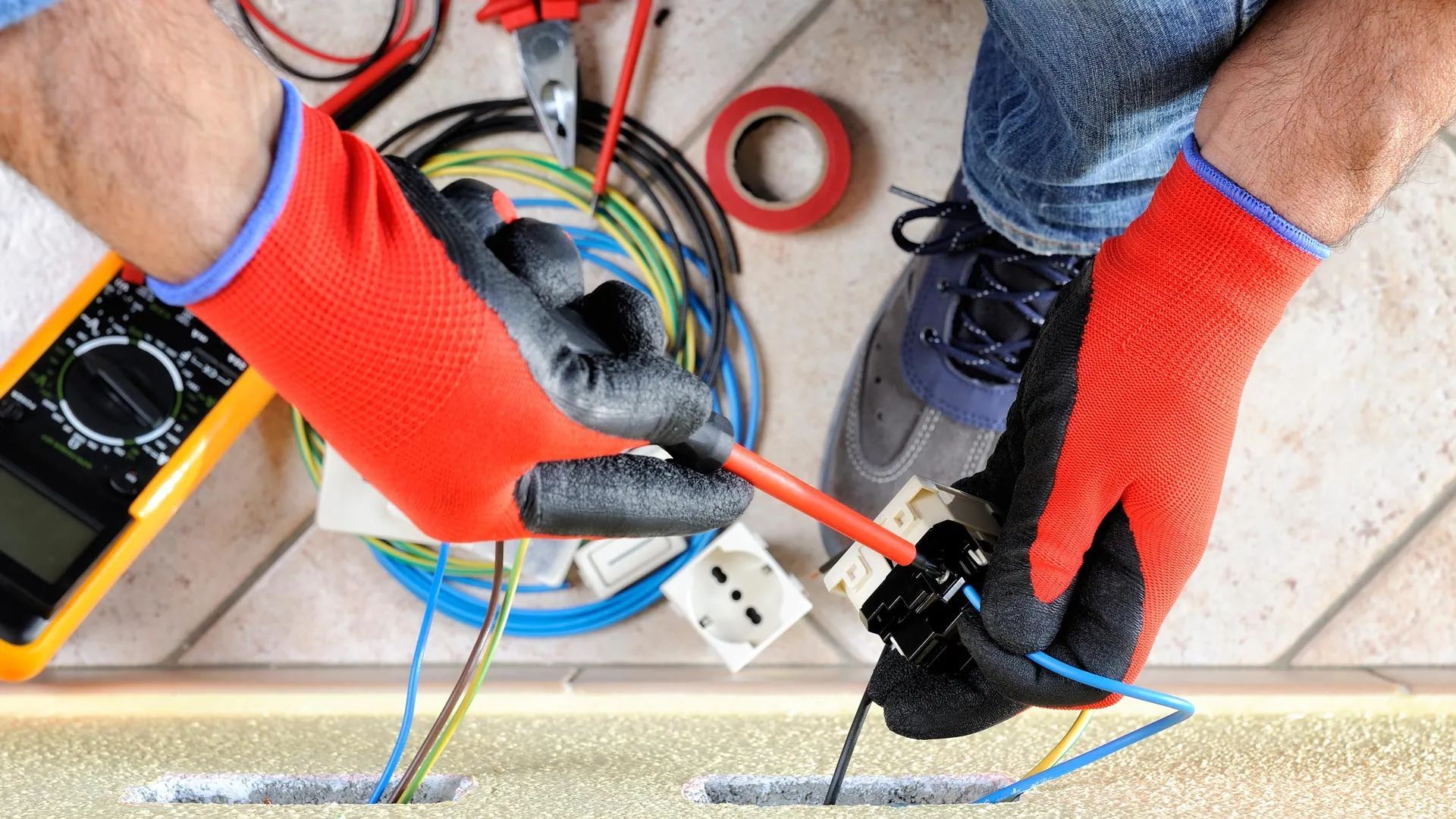
Warning: Do not open the cabinet and work on the transfer switch or wiring yourself. The generator is connected to your home's electrical service, and a mistake can damage the unit or cause serious injury. Fuel connections and electrical work belong with a certified technician.
Frequently Asked Questions
How often should a Generac standby generator be serviced?
Once a year is standard for most home standby units. The first oil and filter change is due at about 25 hours of run time. After that, annual service covers oil, filters, plugs, and battery.
Is the weekly exercise cycle enough maintenance?
No. The cycle keeps the engine lubricated and confirms it starts, but it does not change oil, load test the battery, or check the transfer switch. It is a safeguard between visits, not a substitute.
How long does a Generac battery last in cold weather?
Most standby batteries last about two to three years, and cold shortens that margin as cranking power drops. In Northern Wisconsin, test the battery every fall and replace it on schedule rather than awaiting failure.
Do I need extra service after a long outage?
Often, yes. A generator that runs many hours puts a heavy load on its oil and filters. Around 150 hours in a year warrants a second change, and a post outage inspection catches problems early.
When is the best time of year to schedule generator service?
Early fall is ideal. Booking in September or October means fresh oil and a tested battery before the first hard freeze, with time for any needed parts to arrive ahead of winter storm season.
Can I service my Generac generator myself?
Basic visual checks, like watching for debris and the status light, are fine. The actual service involves fuel connections, electrical parts, and a unit tied to your home’s wiring, so leave it to a certified technician.
Getting Your Generator Ready Before the Outage
A standby generator is only as dependable as its last service. The weekly test run gives you a comforting sound, but it cannot promise the battery will hold at ten below or that the oil and plugs are ready for three days of continuous work. A yearly visit, timed before the cold arrives, is what turns a generator that probably works into one you can count on when an ice storm drops the line and the house goes dark.
Timing that visit for early fall is the habit that pays off most in this climate. Almekinder Electrical Contractor
has spent 40+ years handling Northwoods electrical work around Minocqua, WI, and that experience with hard freezes and long outages is what separates a passing exercise cycle from a system truly ready for winter. Fresh oil, a load tested battery, clean plugs, and a checked transfer switch add up to a quiet confidence, so the next outage finds your generator prepared rather than caught short.