The Role of Proper Wiring in Supporting Smart Home Technology
Quick Answer: Smart home technology only works as well as the wiring behind it, because every smart device depends on steady power, enough circuit capacity, and a reliable network connection. Many smart switches and dimmers need a neutral wire in the switch box that older homes often do not have. Adding hubs, cameras, and chargers raises the electrical load, so dedicated circuits and adequate panel capacity keep the system from tripping breakers. A wired network backbone gives smart devices more reliable performance than Wi-Fi alone, and whole-home surge protection and backup power keep sensitive electronics safe and running. Proper wiring is the foundation that decides whether a smart home is dependable or frustrating.
You bought a smart thermostat so you could watch the cabin's temperature from your phone all winter, plus a couple of smart switches and a camera by the door. Then the switch would not fit the wiring in the box, the app kept dropping the camera whenever you were at the far end of the house, and one of the breakers started tripping when too much came on at once. The devices were supposed to make life easier. Instead they exposed something you never think about until it fails: the wiring behind the walls.
That is the part nobody puts in the marketing. Smart home gear is only as good as the electrical system it plugs into, and a lot of Northwoods homes, especially older cabins and lake places that were wired decades ago for a fraction of today's electrical demand, were never set up for it. Up here, where a seasonal home might sit empty through a hard winter and a storm can drop the power for days, the wiring is what decides whether your smart devices are truly useful or just one more thing that quits when you need it. Here is what proper wiring actually does for smart home technology, and why it is the piece worth getting right first.
Smart Devices Are Only as Good as the Wiring Behind Them
It is easy to think of a smart home as a collection of gadgets, but every one of those gadgets leans on three things the house has to provide: steady power, enough electrical capacity, and a reliable connection. Take any of the three away and the smartest device on the market turns unreliable.
A smart switch that flickers, a camera that keeps dropping offline, a hub that reboots every time the power blips, these are almost never problems with the device itself. They trace back to the wiring, the circuits, and the network feeding it. That is why the homes where smart technology works smoothly are the ones where the electrical foundation was set up to carry it, not the ones with the most expensive devices. Getting the wiring right first is what makes everything plugged into it dependable.
The Neutral Wire Problem in Older Homes
The single most common obstacle homeowners hit is the neutral wire, and it stops a smart switch project cold. Understanding it explains a lot of frustration.
A standard old-fashioned switch just interrupts the hot wire to break the circuit, so it only needs that one wire to do its job. A smart switch is different, because it never fully powers down. It has to keep its radio, its connection, and its electronics alive even when the light it controls is off, and that continuous trickle of power needs a neutral wire in the switch box to complete its own circuit. Without a neutral, most smart switches have nothing to run on.
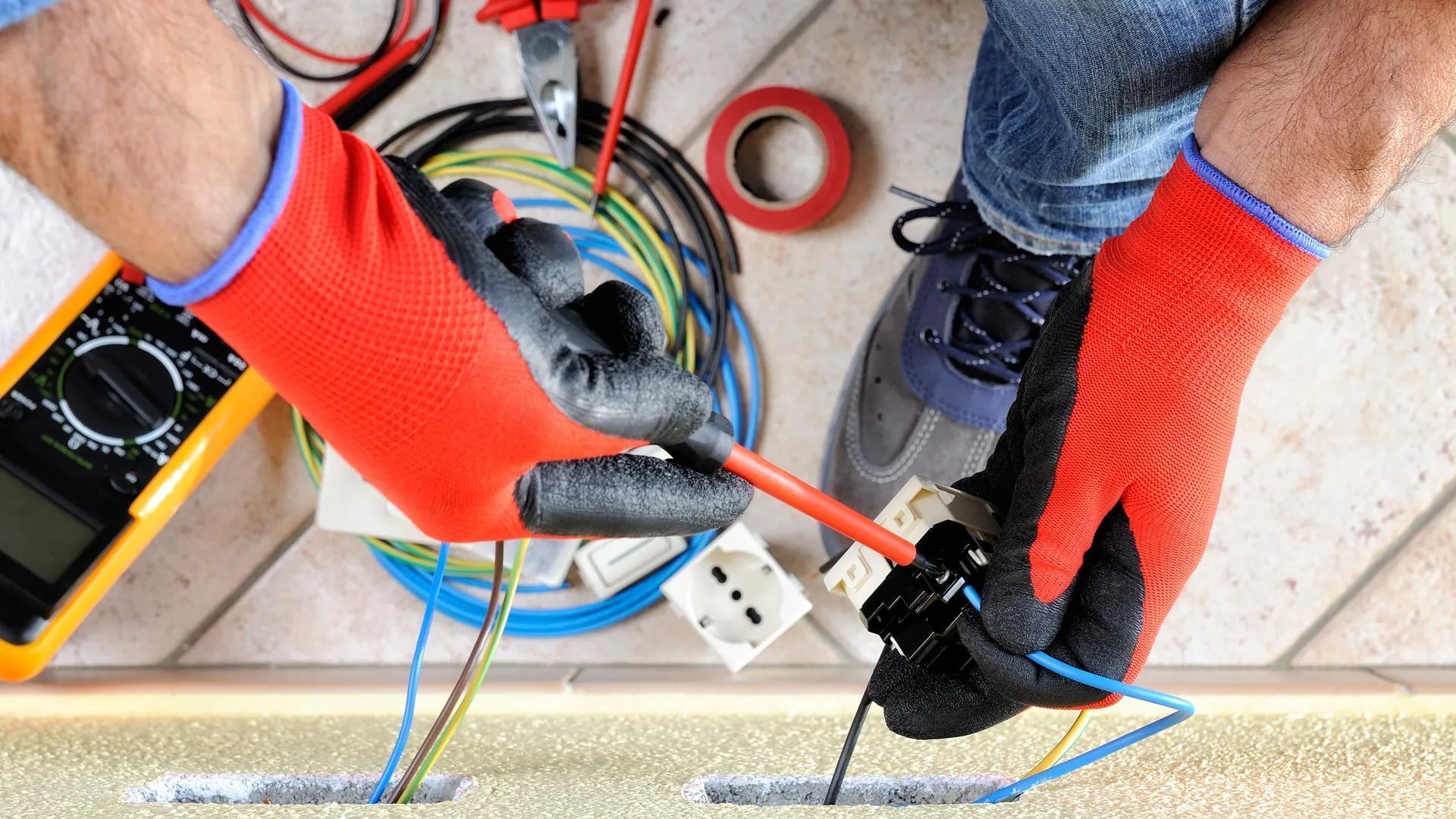
Here is the catch for a lot of Northwoods properties: homes and cabins wired years ago frequently do not have a neutral run to the switch boxes, because there was never a reason to. It simply was not part of how switches were wired. So when you go to install modern smart switches in an older home, you often find the box is missing the very wire the device needs. Running proper neutrals, or rewiring those circuits correctly, is exactly the kind of work that turns a smart switch from a returned box back into something that works.
Enough Power and the Right Circuits
Beyond individual switches, a smart home quietly adds up. Every hub, camera, smart appliance, and device charger draws power, and piling them onto circuits that are already working hard is how you end up chasing tripped breakers.
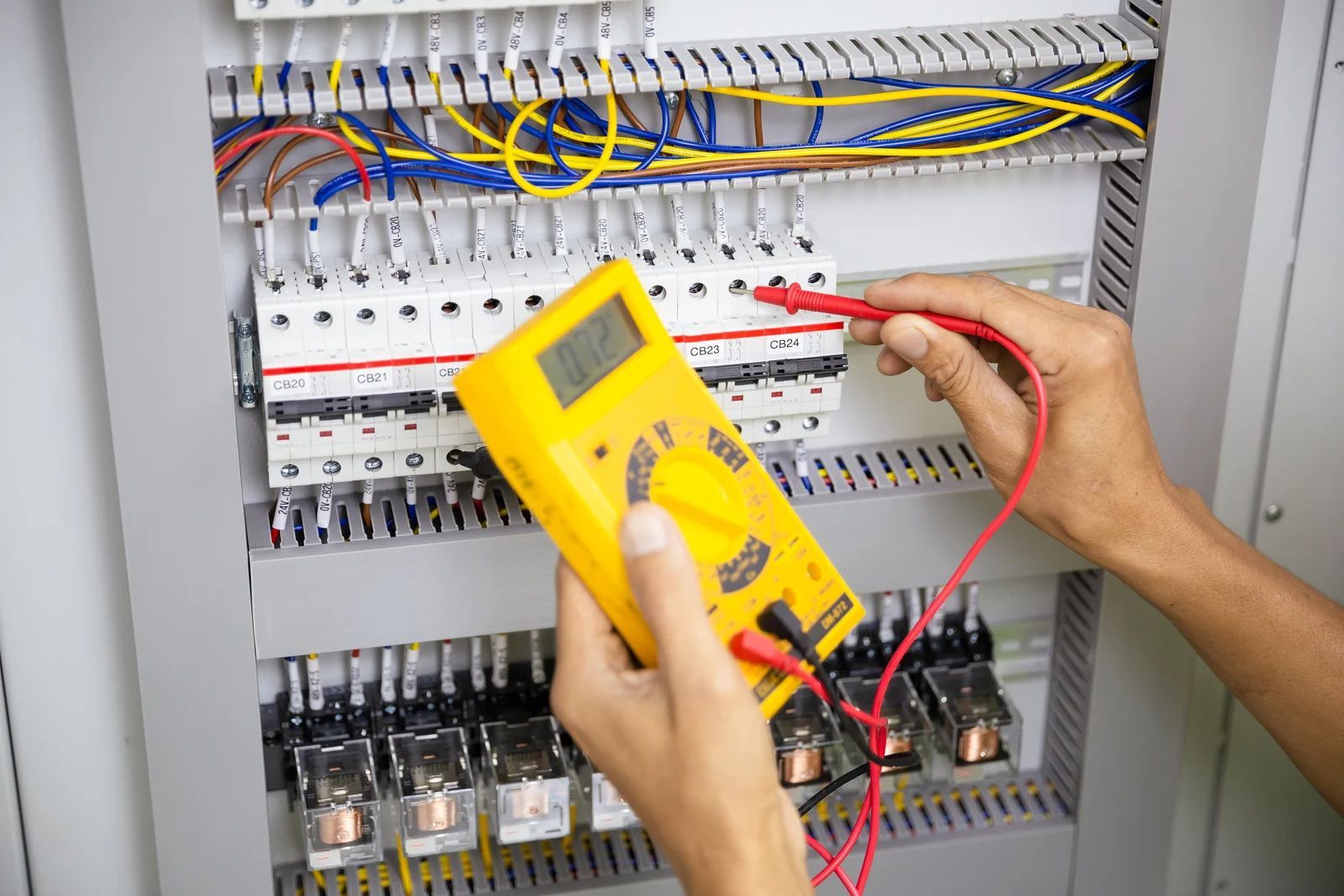
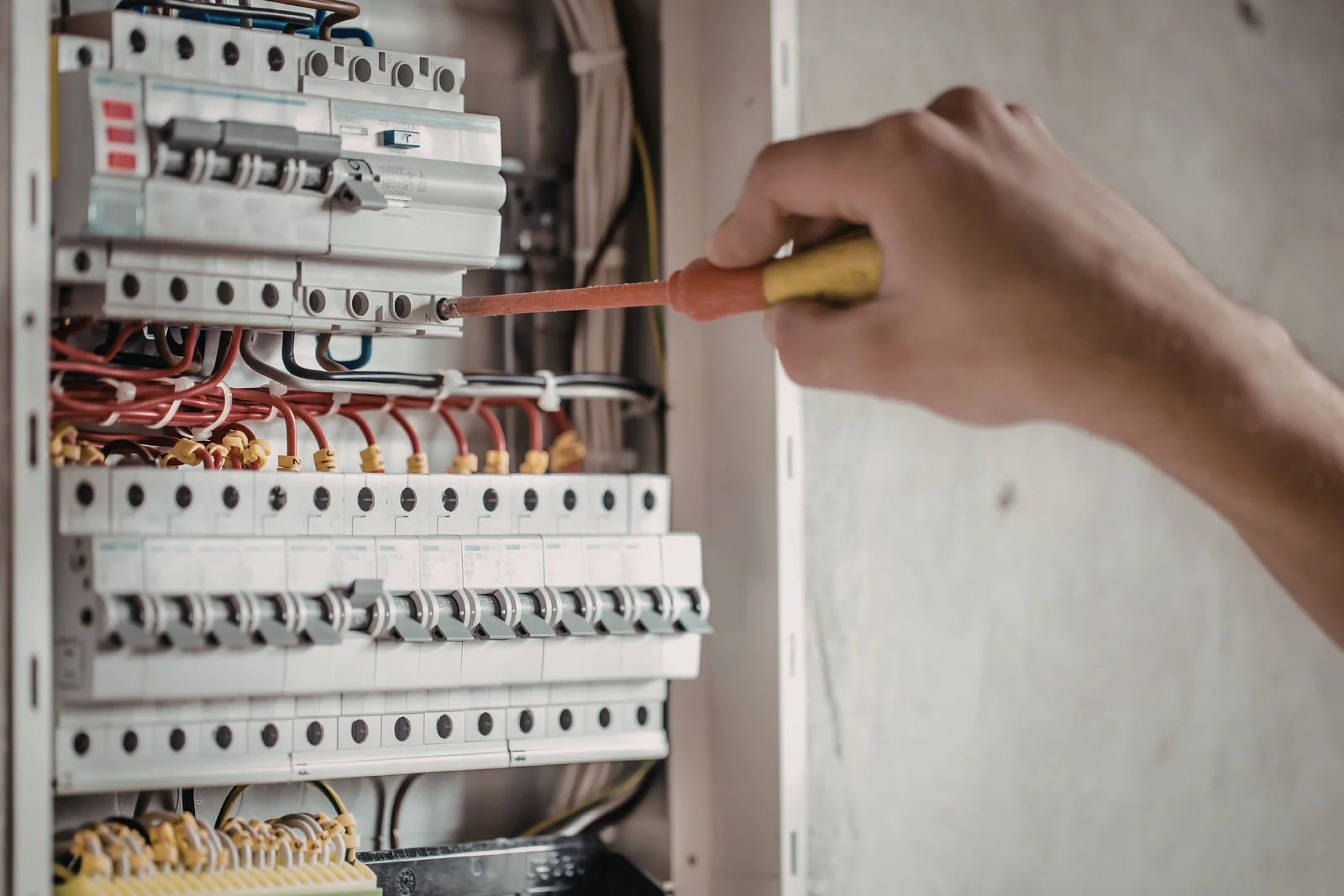
Two things matter here. The first is dedicated circuits for the loads that deserve their own line, so a heavy draw does not share a circuit with everything else and overload it. The second is the capacity of the panel itself, the breaker box. Many older homes were built around a much smaller electrical demand than a modern connected household places on them, and an undersized or outdated panel can leave you without the room to add what you want safely. Upgrading a breaker box or adding the right circuits gives the smart home the headroom to grow without straining the system.
This is easy to overlook because it hides until it fails. The devices install fine, everything runs for a while, and then the load crosses a line and breakers start dropping. Planning the circuits and panel capacity around what you are actually adding avoids that entirely.
Tip: Before you buy a pile of smart switches, pull one existing switch plate and look inside the box for a bundle of white wires connected together, which is usually the neutral. If you do not see one, your switches likely lack a neutral and a standard smart switch will not work there without wiring changes. Knowing this before you order saves you a stack of returns and tells your electrician exactly what the circuits need.
Protecting Sensitive Electronics From Surges
A smart home fills a house with sensitive electronics, and sensitive electronics do not forgive power surges. In storm country, that is not a small concern.
A whole-home surge protector installed at the panel guards everything in the house against the voltage spikes that come with storms and grid disturbances, including the many smart devices and appliances that are hardwired or tucked away where a plug-in power strip can never protect them. A single strong surge can wipe out a hub, a control panel, or a string of devices in an instant, and the plug strips most people rely on only cover what is plugged directly into them. Northwoods summers bring the kind of thunderstorms that send surges down the line, which makes protection at the panel a sensible foundation for a home full of connected electronics.
Keeping It Alive When the Power Goes Out
A smart home is only smart while it has power, and this is where Northwoods reality sets in hard. When a storm knocks out the grid for hours or days, every connected device goes dark: the cameras, the thermostat, the leak sensors, the whole system you counted on.
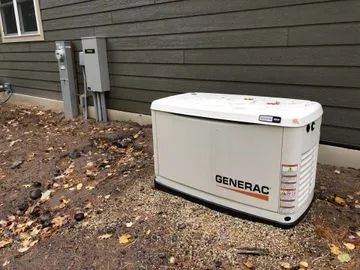
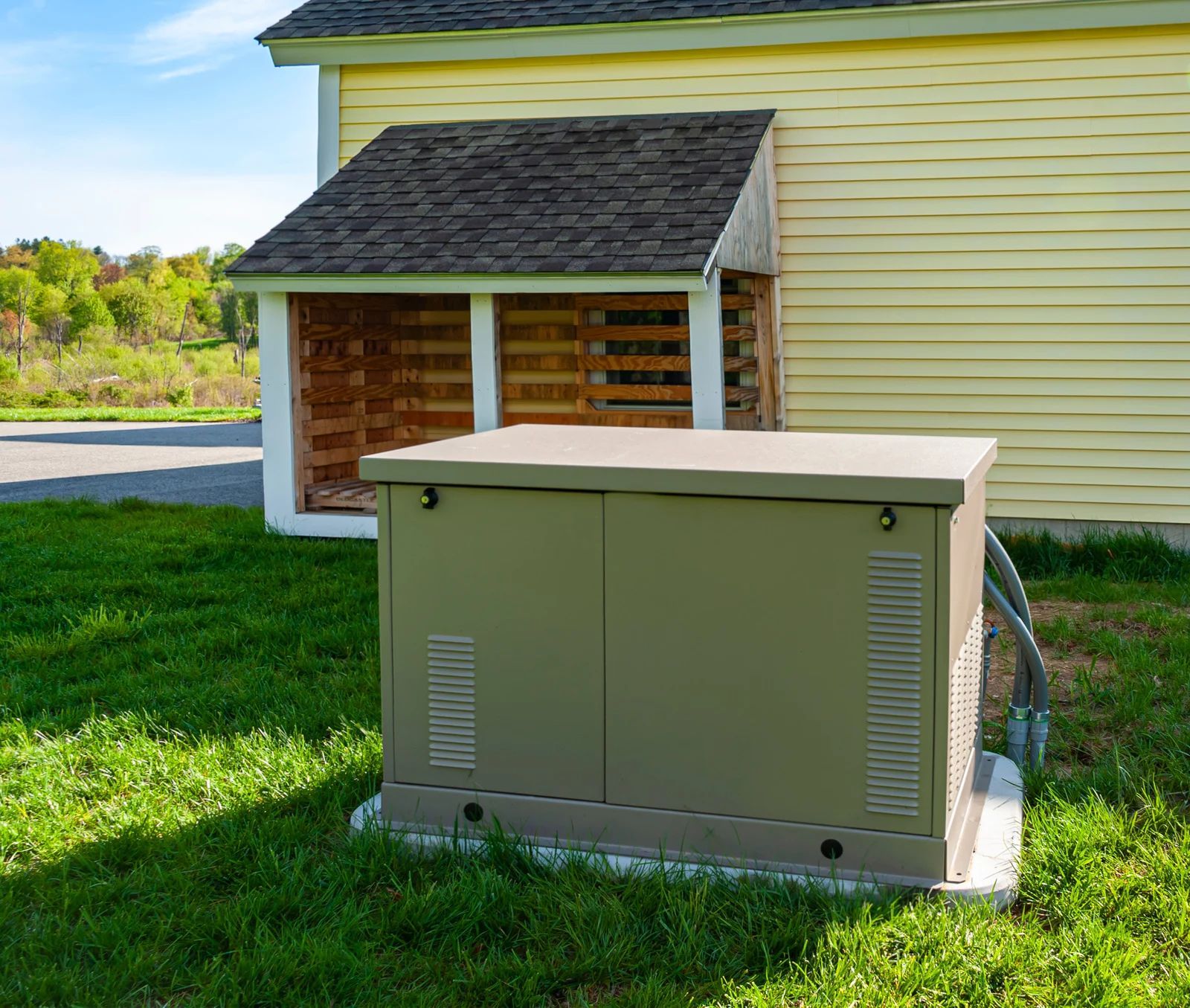
For a seasonal home, that is more than an inconvenience. The smart thermostat you installed to catch a heating failure and prevent frozen pipes cannot warn you about anything if the power and the network are both down. Backup power is what keeps the foundation under the smart home intact through an outage, holding up the heat, the monitoring, and the connection when you are miles away or out of town entirely. A standby generator wired into the home turns the smart system from something that protects the house only when the grid cooperates into something that keeps watch through exactly the storms that threaten it. Proper wiring is what ties that backup into the rest of the system so it all keeps working together.
Frequently Asked Questions
Why won't my smart switch work in my older home?
Most likely because the switch box does not have a neutral wire. Smart switches draw a small amount of power continuously to keep their electronics and connection alive, and they need a neutral to do that, but many older homes and cabins were wired without neutrals run to the switch boxes. An electrician can run the proper wiring so the switches work as intended.
Do I need to upgrade my electrical panel for a smart home?
Sometimes, depending on your current panel and how much you are adding. Smart hubs, cameras, chargers, and appliances all add to the electrical load, and an older or undersized breaker box may not have room to take that on safely. If breakers trip or the panel is already full, upgrading it or adding dedicated circuits gives the system the capacity it needs.
Isn't Wi-Fi enough for a smart home, or do I really need wiring?
Wi-Fi handles the day-to-day device communication, but a wired backbone makes the whole system more reliable. Running Ethernet to cameras, hubs, and access points gives them steady performance that wireless alone struggles to match, especially in large or log-built homes where a single router leaves dead spots. The wiring underneath is what makes the wireless part dependable.
Can a power surge really damage my smart home devices?
Yes, and it can take out several at once. Smart devices are sensitive electronics, and a strong surge from a storm or grid disturbance can destroy a hub, a panel, or a group of devices instantly. A whole-home surge protector at the panel guards the hardwired and tucked-away equipment that plug-in strips cannot reach, which matters in an area that sees frequent thunderstorms.
How does a smart home hold up during a power outage?
On its own, it does not, since every device needs power and a network to function. When the grid goes down, the cameras, thermostat, and sensors go with it unless there is backup power. A standby generator wired into the home keeps the smart system and its monitoring running through an outage, which is especially valuable for a seasonal home you are watching from a distance.
Should I wire for a smart home during a remodel or new build?
Absolutely, because it is far easier and cleaner to run neutrals, dedicated circuits, and structured wiring while the walls are open. Planning the electrical foundation during a build or addition means the smart home has everything it needs from day one, rather than retrofitting it piecemeal later. It is the ideal time to set it up right.
Building the Foundation Before the Gadgets
Smart home technology gets all the attention, but the wiring is what makes it deliver. The neutral wires that let smart switches run, the circuits and panel capacity that carry the load, the wired backbone that keeps devices connected, the surge protection that shields sensitive electronics, and the backup power that keeps it all alive in an outage, those are the pieces that decide whether a smart home is truly dependable. Get the wiring right, and the technology on top of it finally does what it promised. Skip it, and no amount of new devices will fix a foundation that was never built to carry them.
Wire your home to actually support the smart technology you want — Whether your switches are missing neutrals, your panel is out of room, or your lake home drops its connection in the far rooms, the fix starts with the wiring behind the walls, not another gadget. With 40
years of experience, Almekinder Electrical Contractor
rewires older homes and cabins, upgrades breaker panels, adds dedicated circuits, installs structured wiring for dependable networking, and integrates surge protection with standby generator systems. Proudly serving the Minocqua, Wisconsin area, we build the electrical foundation your smart home needs to perform reliably through everyday use and storm-related power outages. Reach out today to plan your electrical upgrades before adding another smart device.